2026 How to Choose a French Fries Processing Machine
Choosing a French Fries Processing Machine in 2026 starts with the product you want to make and the volume you can reliably sell. A compact setup for a local food business has different needs from a continuous industrial line. Capacity figures can look impressive, but they mean little if your supply of potatoes, staff, or storage cannot keep pace.
Consider the full process, not just the cutter or fryer. Washing, peeling, cutting, blanching, drying, frying, and freezing each affect the final fries. For example, a change in potato size can alter cut consistency and cooking time. Ask suppliers how their equipment handles the varieties and batch sizes you actually use. Better still, request a production trial with representative potatoes. Small details matter. Cleaning access, water use, temperature control, spare parts, and operator training can shape daily performance.
This guide outlines practical questions for comparing machines, estimating capacity, reviewing key features, and assessing installation and maintenance needs. Check technical specifications against documented test results, and clarify what output rate means under real operating conditions. No machine is perfect. A fast line may require more space, energy, or skilled labor than expected, and those trade-offs deserve a second look. Careful evaluation helps you choose equipment that fits your product, workflow, and budget—not merely a promising brochure.
Understanding the Main Types of French Fries Processing Machines
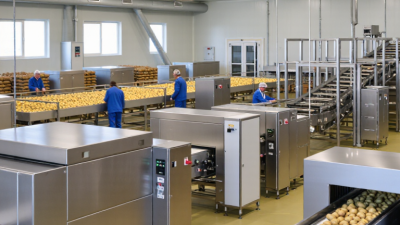
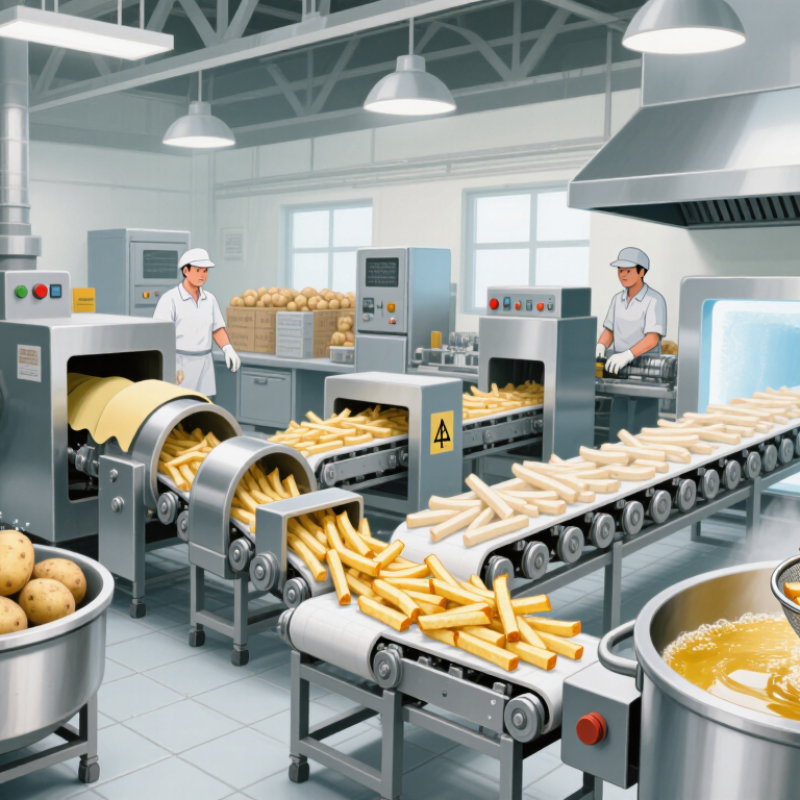
French fries processing machines are usually selected by function, not by appearance. A small plant may use separate washer-peeler, cutter, blancher, and fryer units. Larger operations often connect these machines into a continuous line. The right setup depends on potato volume, available floor space, and the texture customers expect. Small details matter. A washer that leaves soil in the eyes can affect every step afterward.
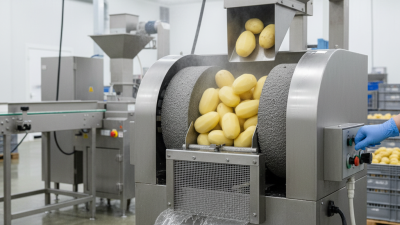
A cutter turns peeled potatoes into sticks, commonly in several thicknesses. Check whether the cut stays consistent across a full production run; uneven pieces cook at different speeds. Blanchers use hot water or steam to soften the sticks and reduce surface starch. A dryer then removes excess moisture before frying. It is easy to overlook this machine, but wet potatoes can cause splashing and uneven browning.
Fryers may operate in batches or continuously. Batch fryers suit variable output, while continuous models support steady, higher-volume production. Frozen-fries lines add cooling and freezing equipment after frying or blanching, depending on the chosen process. Ask suppliers for capacity figures under realistic conditions, not just ideal ones. And inspect cleaning access. A machine can look efficient on paper, yet awkward corners may slow daily sanitation. Trial runs with the intended potato variety can reveal issues that specifications miss.
2026 Guide: Understanding French Fries Processing Machines
Typical Temperature Ranges for Blanching and Frying
Blanchers typically use hot water, while fryers operate at higher temperatures in oil. Actual settings depend on potato variety, cut size, product specification, and line design. Other common equipment includes washers and peelers, cutters, dewatering systems, freezers, and packaging machines. When choosing a machine, consider required capacity, product type, available utilities, cleaning needs, and how it integrates with the rest of the line.
Matching Machine Capacity to Your Production Requirements
Match the line to saleable output, not the machine’s advertised peak rate. FAOSTAT’s 2022 data report roughly 375 million tonnes of potatoes produced worldwide. That figure is context, not a sizing formula. USDA NASS Potato Stocks reports also track inventories at set dates, reminding buyers that raw-potato availability can shift during the year.
Estimate finished fries needed per shift, then account for actual run time, cleaning, changeovers, and stoppages. For example, producing 4,000 kilograms in an eight-hour shift requires 500 kilograms per hour if the line runs continuously. With only seven productive hours, the target rises to about 572 kilograms per hour. Allow extra capacity for demand peaks, but avoid paying for a line that will sit idle. Small differences matter. Confirm whether quoted capacity means raw input or finished product; peeling loss, trimming, and rejected cuts affect the result.
Tips: Ask suppliers for a witnessed trial using your potato variety, cut size, and target product. Record feed rate, saleable output, and downtime. Leave a practical buffer, but verify it against your staffing and cold-storage limits. The trial may expose an uncomfortable truth: the bottleneck might be the fryer or packer, not the cutter.
Comparing Key Processing Stages and Equipment Features
2026 How to Choose a French Fries Processing Machine
Comparing Key Processing Stages and Equipment Features
Compare machines by the job each stage must perform, not by advertised capacity alone. A washer should remove soil without bruising potatoes, while a peeler should limit flesh loss. Ask suppliers for throughput figures using potatoes similar in size and condition to yours. A cutter should produce consistent strips; uneven cuts can cook at different rates. That matters. Check whether blade sets can be changed and cleaned without specialist tools.
Blanching equipment needs stable temperature control and enough capacity to avoid slowing the line. A dewatering or drying unit removes surface moisture before frying, helping reduce splashing and support more consistent results. For frozen fries, inspect the freezer’s usable belt width, residence-time control, and ability to handle your target output. Not always. A higher-capacity machine may still perform poorly if it creates a bottleneck at the next stage.
Compare food-contact materials, guarding, access for cleaning, and the clarity of operating controls. Request a product trial with your preferred cut and process settings; small differences in potato variety can change results. Also consider floor space, power, water use, and the skill level of operators. Some specifications look excellent on paper, but maintenance access can be awkward in a real production room. A practical line is one operators can inspect, clean, and adjust reliably.
Evaluating Hygiene, Energy Use, and Maintenance Needs
2026 How to Choose a French Fries Processing Machine
Evaluating Hygiene, Energy Use, and Maintenance Needs
When comparing machines, inspect product-contact areas, not just the polished exterior. Smooth, accessible surfaces make residue easier to spot and remove. Ask whether belts, guards, and drain points can be reached without awkward tools. A hidden corner can collect starch and moisture. Cleaning time matters. Request a documented sanitation routine and confirm staff can follow it during a real shift. Stainless steel alone does not guarantee easy cleaning.
Tips: Ask for a cleaning demonstration using the machine’s actual removable parts. Check how long disassembly and reassembly take, and note any spots that remain wet. Compare energy use at your expected throughput, not only at maximum capacity. Fryers, pumps, and conveyors may draw power differently during startup and idle periods. Meter readings from a trial run are more useful than broad estimates. Still, one test day may not reflect a busy week. Verify under normal conditions.
Maintenance deserves the same attention as purchase price. Look for commonly replaced belts, bearings, and seals, and ask how quickly they can be inspected. Clear access can reduce downtime, though it may require more floor space. Keep a simple log of cleaning hours, faults, and energy readings after installation. These records help reveal patterns. They will not explain every problem, but they give operators something concrete to review.
Checking Supplier Support, Costs, and Long-Term Value
When comparing French fries processing machines, look beyond the purchase price.
Ask suppliers for commissioning details, operator training, maintenance schedules, and written response times. A line can look efficient during a factory demonstration. It may behave differently with your potato varieties, batch sizes, and shift patterns. Ask to test your own product, and record yield, oil use, cleaning time, and changeover time.
Ask for proof. Not just promises.
Long-term value also depends on spare-parts access and practical troubleshooting. Check which parts are stocked locally, how quickly they can ship, and whether technicians can support your operating hours.
FAO’s 2023 report on progress toward the Sustainable Development Goals estimated that 13.2% of food was lost globally after harvest and before retail in 2021. That figure is not a machine-performance benchmark, but it highlights why avoidable product loss deserves attention.
Downtime is expensive. Build a simple cost model covering energy, water, labor, maintenance, and rejected product over several years. A lower quote may still be the better deal, or not. I would be cautious about forecasts that assume perfect uptime; ask suppliers to show the assumptions and provide service references from comparable operations.