What is a Potato Blanching Machine and How Does It Work?
In the world of food processing, the "Potato Blanching Machine" plays a vital role. Experts like James McAllister, a leading figure in agricultural machinery, emphasize its importance: "Efficient blanching is key to preserving potato quality." This machine prepares potatoes for further processing by briefly cooking them in hot water or steam.
Potato blanching prevents spoilage and enhances color. By inactivating enzymes, it ensures that the final product maintains its desired texture and flavor. Blanching machines vary in design, featuring conveyor systems and temperature controls. This variety allows for flexibility in production lines.
However, the industry faces challenges. Not all blanching machines deliver consistent results. Factors such as temperature and time can lead to over or under-blanching. The quest for perfection in blanching continues, signifying the need for ongoing innovation. Understanding the intricacies of the Potato Blanching Machine is essential for quality control and efficiency.
What is a Potato Blanching Machine?
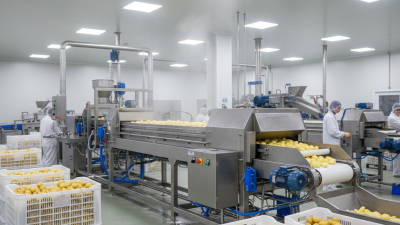
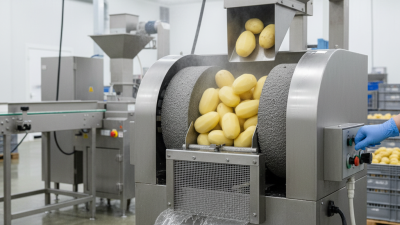
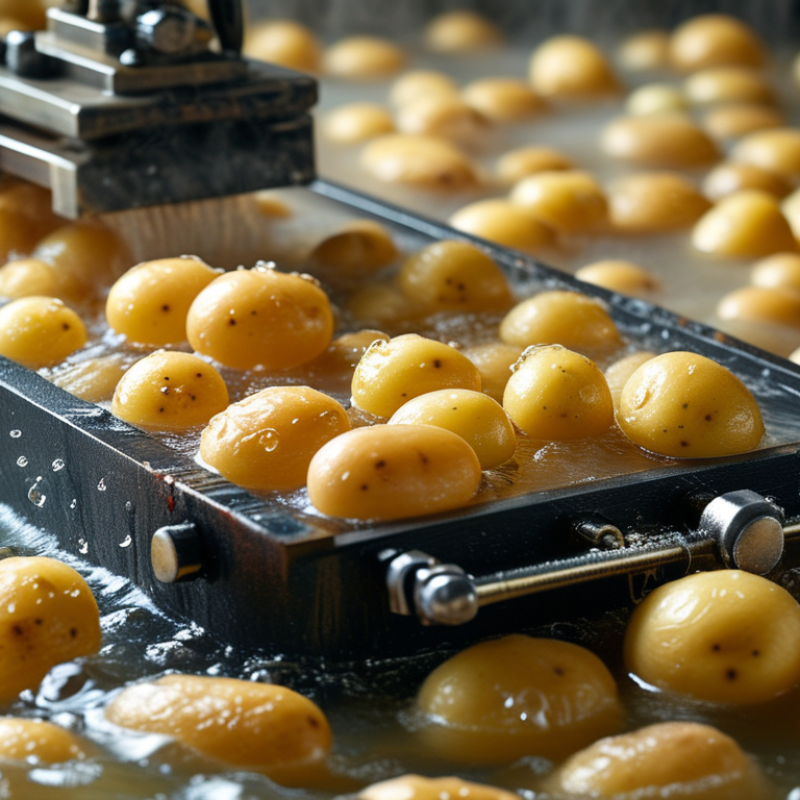
A potato blanching machine is essential in food processing. It helps prepare potatoes by briefly cooking them in hot water. This process deactivates enzymes that can cause color and texture changes. Blanching also improves the potato's flavor and enhances preservation. This equipment is vital for manufacturers aiming for quality and consistency.
When using a potato blanching machine, temperature control is crucial. Ideal blanching typically occurs at temperatures between 85°C and 90°C (185°F - 194°F). Overheating can lead to mushy potatoes, while underheating might not inactivate enzymes effectively. It’s essential to monitor these factors closely for optimal results.
Proper loading of potatoes into the machine ensures even blanching. Grouping them too tightly can cause uneven cooking. It's important to distribute potatoes evenly. Checking the blanching time is equally important. A short blanch may not provide the desired effect, while a long one can spoil the texture. By fine-tuning these aspects, the output quality improves significantly.
Potato Blanching Machine Usage Statistics
This chart represents the usage of potato blanching machines over the first six months of the year. The data indicates fluctuations in hours of operation, reflecting seasonal demands and production schedules.
Principles Behind Potato Blanching Process
The potato blanching process is essential in food preparation. It helps preserve the color, flavor, and nutritional value of potatoes. By briefly cooking them in hot water or steam, enzymes are deactivated. This step is crucial for maintaining quality during storage.
Heat is the key factor in blanching. Potatoes must be immersed for a specific time. Overcooking can lead to mushy textures. Under-cooking may not effectively stop enzyme activity. Both scenarios can result in unsatisfactory outcomes. Understanding the right timing enhances the effectiveness of blanching.
Blanching also removes surface dirt and microorganisms. It improves the potatoes' texture for freezing or frying. However, even the best practices can sometimes lead to problems. Uneven heating might occur with certain machines. This inconsistency can affect the overall quality. Proper knowledge and attention to detail are critical for success in the blanching process.
Key Components of a Potato Blanching Machine
A potato blanching machine is essential in the food processing industry. It helps prepare potatoes by briefly boiling them before freezing or frying. The process is crucial to preserve color, texture, and flavor. Understanding the key components of this machine can offer more insight into its functionality.
The main parts include the heating chamber, where water reaches boiling point. Potatoes are immersed in this chamber for a specific duration. A temperature control system ensures the water stays at the correct level. After blanching, a cooling section rapidly lowers the temperature of the potatoes, preventing overcooking. Some machines also feature a conveyor belt that moves the potatoes through different stages efficiently.
These components are designed to work together, but issues can arise. Sometimes, machines may not heat evenly, resulting in inconsistent blanching. It requires frequent monitoring to ensure quality. Operators must be skilled in adjusting parameters based on potato size and type. This complexity highlights the importance of understanding both the machinery and the food being processed.
What is a Potato Blanching Machine and How Does It Work? - Key Components of a Potato Blanching Machine
| Component |
Description |
Function |
| Blanching Tank |
A large vessel filled with hot water or steam where potatoes are immersed. |
To cook the potatoes briefly, inactivating enzymes that cause spoilage. |
| Heating System |
System responsible for heating the water or steam in the blanching tank. |
To reach and maintain optimal blanching temperatures. |
| Cooling System |
Equipment to rapidly cool down the blanched potatoes. |
To stop the cooking process and preserve texture and color. |
| Conveyor System |
Belt or other mechanism for transporting potatoes through the blanching and cooling process. |
To ensure efficient and continuous flow of potatoes. |
| Control Panel |
Interface for operators to manage and monitor the blanching process. |
To control temperature, time, and other settings for optimal results. |
Step-by-Step Operation of the Blanching Process
The blanching process for potatoes involves several critical steps. Initially, potatoes are washed to remove dirt and impurities. After washing, they are cut into desired sizes. Uniform pieces ensure even cooking during blanching. This step may seem simple, yet misalignment in sizes can lead to uneven results.
Next, the cut potatoes are immersed in boiling water. The temperature typically reaches around 80 to 90 degrees Celsius. This initial immersion usually lasts for a few minutes but can vary. Overcooking the potatoes is a common mistake; it can lead to a mushy texture. After boiling, the potatoes undergo rapid cooling. Ice water is used for this purpose. The cooling halts the cooking process, maintaining the potatoes’ crispness.
Finally, the blanched potatoes are drained and dried. Excess moisture should be removed to prepare for storage or cooking. Inconsistent drying can cause issues like freezer burn if stored improperly. Each step is essential for preserving flavor and texture. The blanching machine expertly manages these processes, but attentive operators are crucial for optimal results.
Benefits of Using a Potato Blanching Machine in Food Processing
Potato blanching machines are essential in food processing. They effectively prepare potatoes by heating them in water or steam. This process enhances flavor and color, while also preserving nutrients. According to industry reports, properly blanched potatoes can maintain up to 90% of their vitamins, making them nutritionally sound for consumers.
Using a potato blanching machine provides several benefits. It improves food safety by deactivating enzymes that lead to spoilage. This step is crucial for extending shelf life. Furthermore, blanched potatoes have better texture and color, making them more appealing to customers. A report from the Food Processing Institute states that blanched products can retain a fresher appearance for 30% longer than unblanched ones.
There are some challenges with blanching. Overcooking can lead to loss of essential nutrients and a mushy texture. Operators must monitor temperatures closely. Inconsistent blanching can affect the final product quality. The balance between efficiency and quality is critical.