What is a Boiled Potato Peeler Machine and How Does It Work?
Boiled Potato Peeler Machines are essential tools in food processing. They automate the peeling process, improving efficiency. This machine saves time and labor in commercial kitchens and food factories.
Understanding how a Boiled Potato Peeler Machine works is crucial. These machines use varying methods to remove potato skins. Some rely on abrasion, while others employ steam or hot water. The effectiveness depends on the machine's design and technology.
Using a Boiled Potato Peeler Machine has its challenges. Sometimes, it may not peel consistently. Operators must adjust settings for the best results. Each machine has unique features, which can make them tricky to learn. It’s important to choose the right model for specific needs.
What is a Boiled Potato Peeler Machine?
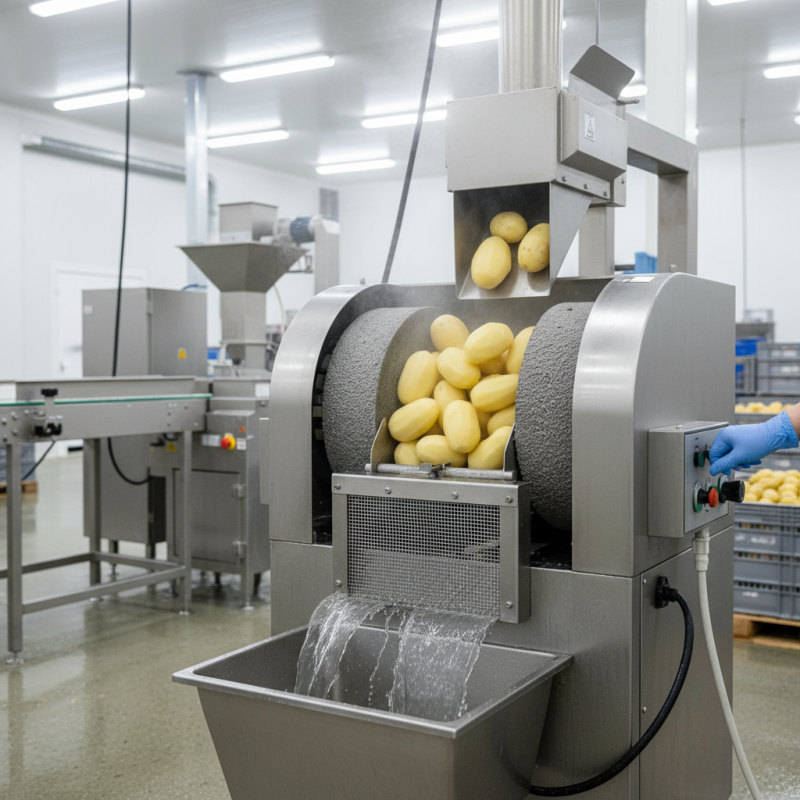
A boiled potato peeler machine is a specialized device that simplifies the peeling process for boiled potatoes. These machines are designed to remove the skin effectively while retaining the tender texture of the flesh inside. The process involves placing boiled potatoes into the machine, which uses friction or abrasive surfaces to gently strip the skins away. This ensures that the potatoes remain intact and ready for further cooking or processing.
Using a boiled potato peeler can save significant time in meal preparation. Many professionals in the food industry prefer these machines for their efficiency. However, they come with a learning curve. Operators need to understand how to load the potatoes correctly and manage the peeling settings. Misuse can lead to over-peeling or damage to the potatoes.
Tips: Always monitor the machine closely during operation. Adjust the peeling time based on the size and softness of the potatoes. It might take a few tries to get the perfect peel. Practice makes perfect! Consider starting with smaller batches until you master the technique.
The History and Evolution of Potato Peeling Machines
The potato peeling machine has a rich history that reflects technological advancements in the food processing industry. Initially, potatoes were peeled by hand, a laborious and time-consuming process. Over time, the demand for efficiency in food production led to the creation of mechanical peeling devices. These early machines often used abrasive materials to remove the skins, resulting in a high level of potato waste. This was a challenge that engineers sought to address.
As technology progressed, innovations made peeling machines more refined. Developers introduced automated systems that used steam and water to peel potatoes effectively. These machines significantly reduced waste and improved the quality of the potatoes. Yet, even with these advancements, certain designs still face critiques. Some methods can damage the potato flesh or leave behind residual skin. That’s where continuous improvement becomes crucial in machine design. By exploring better materials and techniques, manufacturers strive to enhance efficiency while maintaining potato integrity. Each evolution brings us closer to an ideal peeling solution that balances productivity and quality.
Potato Peeling Machine Usage Over the Years
This chart illustrates the evolution in the sales of potato peeling machines over the decades from the 1950s to the 2020s. It highlights the increasing popularity and adoption of these machines in the food processing industry, reflecting advancements in technology and efficiency.
How Does a Boiled Potato Peeler Machine Operate?
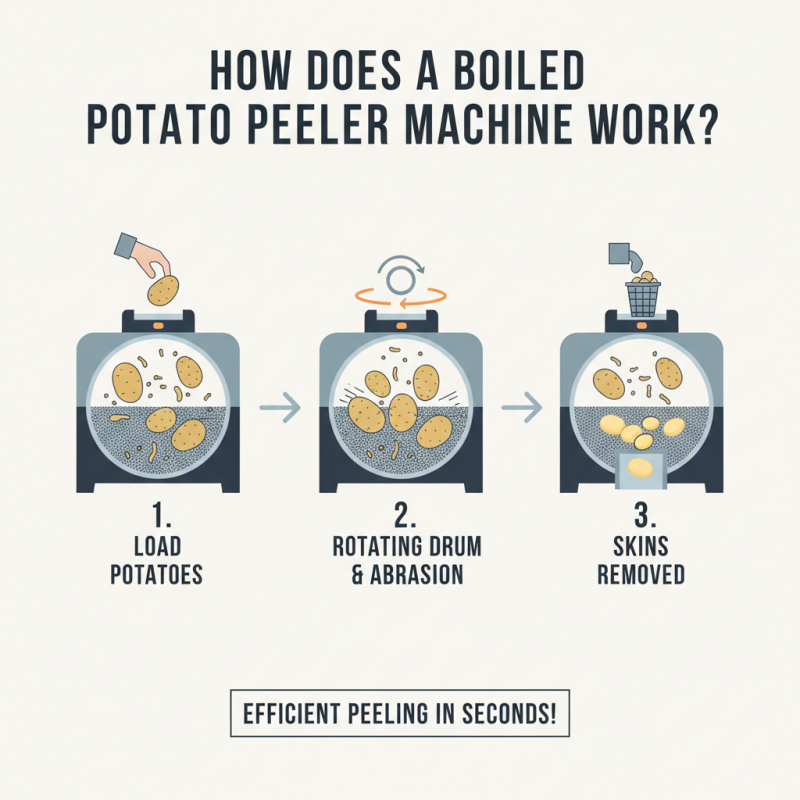
A boiled potato peeler machine is designed to simplify the peeling process of cooked potatoes. Its operation is straightforward yet ingenious. The machine typically features a rotating drum lined with abrasive surfaces. When boiled potatoes are placed inside, the drum spins, and the abrasives rub against the potato skins. This friction causes the skins to detach, allowing for efficient peeling in a matter of seconds.
The key elements in the operation include adjustable settings for different potato sizes and textures. A precise water supply ensures that the potatoes remain wet, enhancing the peeling process. Operators need to monitor the process closely to avoid over-peeling. Sometimes, the skins may not come off completely. This can lead to additional manual labor, which diminishes the machine's efficiency.
Another consideration is maintenance. Regular cleaning is essential to prevent food residue buildup, which can compromise the machine’s performance over time. Failure to maintain the equipment may lead to subpar peeling results or even malfunctions. It's vital for users to strike a balance between machine efficiency and upkeep to achieve consistently good results.
Key Features and Benefits of Boiled Potato Peeler Machines
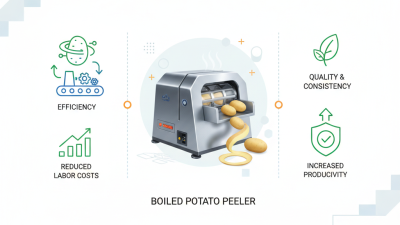
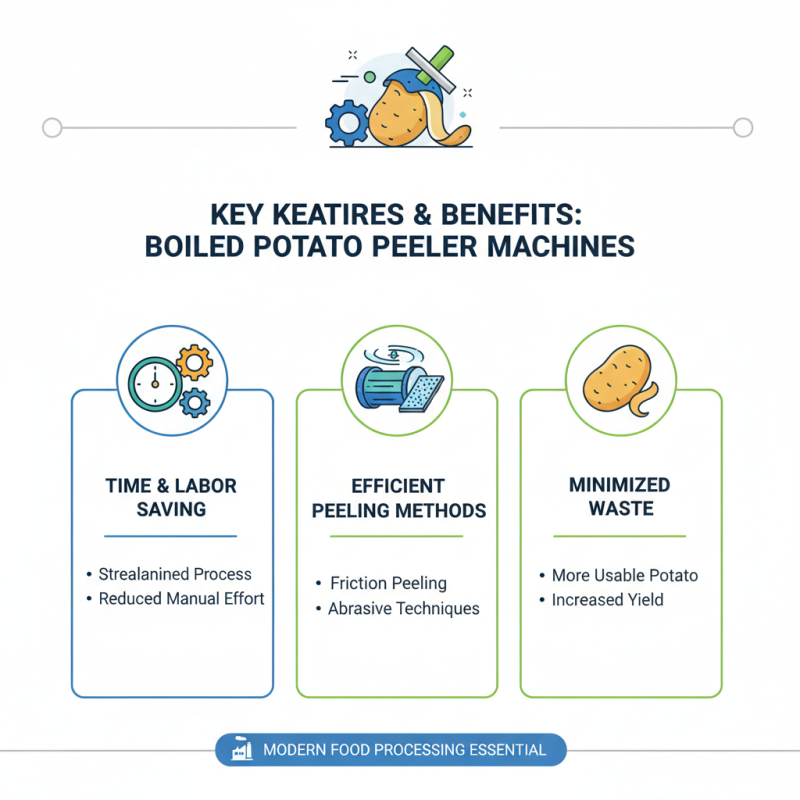
Boiled potato peeler machines are essential in modern food processing. They streamline the peeling process, saving both time and labor. These machines use specific peeling methods, like friction or abrasive techniques, to efficiently remove potato skins. They are also designed to minimize waste, preserving more of the potato for cooking.
Key features of these machines include adjustable peeling times and various sizes to accommodate different potato varieties. Some models come with automatic feeding systems, which increase productivity significantly. The materials used in construction are often stainless steel, ensuring durability and easier cleaning. This durability is vital in high-volume kitchens.
When using a boiled potato peeler machine, it’s important to monitor its effectiveness. Sometimes, not all the skins are removed perfectly. Regular maintenance is crucial to prevent inconsistencies. Here are some tips: Always check the blades for wear. Change them periodically to ensure optimal performance. Additionally, experimenting with peeling times can help achieve the best results, ensuring your potatoes are primed for delicious meals. Adjusting the load can also help manage efficiency.
Applications and Industries Using Boiled Potato Peeler Machines
Boiled potato peeler machines find extensive applications in various industries, particularly in food processing. In the restaurant sector, these machines streamline the preparation process, improving efficiency. According to a report by Grand View Research, the global food equipment market is projected to reach USD 445 billion by 2025. This growth emphasizes the necessity for equipment that can handle high volumes of food preparation quickly and effectively.
In the frozen food industry, the demand for boiled potato peeler machines is significant. These machines ensure uniformity in peeling and save time. Industry studies indicate that over 30% of processing costs in food manufacturing are attributed to labor. Implementing automated solutions, like potato peelers, can cut labor costs and minimize waste. However, companies must continually assess the effectiveness of such machines. Sometimes, machines might not perform to expected standards, leading to variable peeling quality.
Other sectors, such as snack food manufacturing, also benefit from these machines. Chips and other products require consistent and well-peeled potatoes for optimal quality. A research paper from the Food and Beverage Industry Association highlights that machinery innovation leads to better product integrity. Yet, businesses must address potential issues like machine maintenance and calibration. Ensuring reliable performance demands ongoing evaluation and training for staff operating these machines.