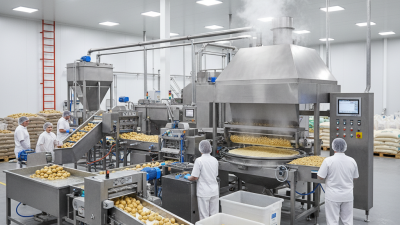
2026 Best French Fries Processing Line Buying Guide
Buying a French Fries Processing Line in 2026 requires more than comparing prices and machine photographs. Buyers must examine potato quality, production capacity, energy use, sanitation design, automation, and after-sales support. A shiny line can still create uneven cuts, excessive oil absorption, or costly downtime.
Dr. R. Paul Singh, a respected food process engineering educator, often emphasizes, “Food processing is a science of controlling time and temperature.” That principle is central to every French Fries Processing Line. Blanching temperature affects texture. Frying time influences color and moisture. Cooling conditions protect product quality before freezing and packaging.
This guide explains how to assess each processing stage, from washing and peeling to cutting, blanching, drying, frying, freezing, and packing. It also considers practical details, such as stainless-steel contact surfaces, accessible inspection points, water recycling, and spare-part availability. These details matter on a busy factory floor.
Capacity claims need caution.
Some suppliers describe theoretical output, not stable daily production. Real performance may change with potato variety, starch content, operator skill, and local utilities. Buyers should request test reports, sample products, energy data, and references from comparable factories. A smaller, well-matched line may outperform a larger system that lacks reliable service.
No machine is perfect. Even experienced buyers can overlook cleaning time or future expansion. Therefore, this 2026 buying guide focuses on measurable performance, verified engineering support, and realistic operating conditions. Its goal is simple: help investors choose a dependable French Fries Processing Line that delivers consistent fries without hiding the difficult details.
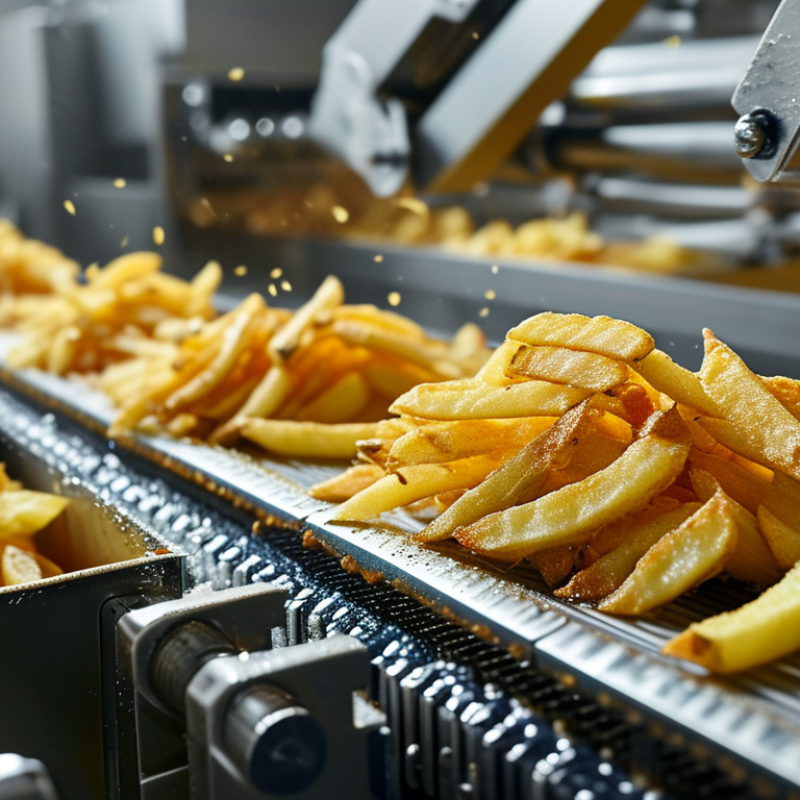
French Fries Processing Line: Definition, Components, and Main Functions
French Fries Processing Line: Definition, Components, and Main Functions
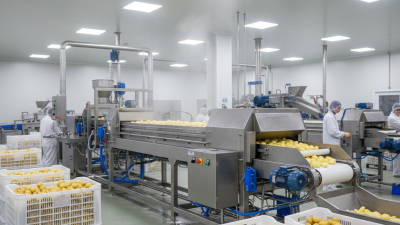
A French fries processing line is an integrated system that converts raw potatoes into chilled or frozen fries. It links washing, sorting, peeling, cutting, blanching, drying, frying, and packaging equipment. Each stage affects the next one. A poor cut can increase oil absorption and create uneven cooking.
The line commonly includes a receiving hopper, inspection conveyor, washer, abrasive or steam peeler, cutter, blancher, dryer, fryer, freezer, and packing unit.
Sensors may monitor temperature, belt speed, oil quality, and product weight.
Water filtration and oil management systems support stable production.
Good drainage matters more than many buyers expect. Standing water can slow sanitation and increase maintenance risks.
The main functions
cleaning
size control
texture development
moisture reduction
heat treatment
preservation
accurate portioning
When evaluating equipment, check hourly capacity, potato variety tolerance, utility consumption, cleaning access, spare-part availability, and food-contact materials. Ask for test data under conditions close to your factory. Brochure figures can mislead.
Capacity targets may fail when potatoes are too wet or irregular. A smaller line with careful control may perform better.
Operators also need clear alarms and simple adjustment points, because complex systems invite avoidable errors during busy shifts.
How French Fries Are Produced in a Complete Processing Line
2026 Best French Fries Processing Line Buying Guide
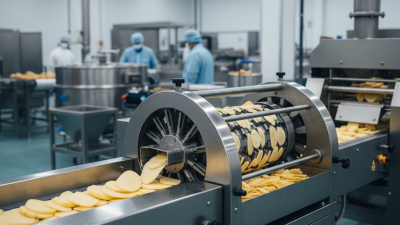
A complete French fries line begins with potato receiving and quality inspection. Operators remove stones, damaged tubers, and excess soil before washing. Peeling follows, using controlled abrasion or steam treatment. The potatoes then pass through precision cutters for uniform strips. Size consistency matters because thin pieces cook faster than thick ones. After cutting, blanching reduces surface starch and supports a lighter, crispier finish. Cooling and drying remove water before frying, freezing, and final packing.
A reliable line needs steady temperature control, cleanable surfaces, and clear product transfer points. Frying conditions should match potato variety, strip size, and target texture. In practical production, small changes in moisture can affect color and oil absorption. That is easy to underestimate. I have found that an efficient line is not always the fastest one. Excessive speed can increase breakage, uneven frying, and maintenance pressure.
Tips:
Check each process stage with real potatoes, not only empty-machine tests. Ask suppliers for capacity data at different moisture levels. Confirm cleaning access around cutters, blanchers, conveyors, and fryers. Review oil filtration, freezer performance, and packing accuracy before purchase. Keep trial records, including temperature, yield, color, and waste. Some designs look impressive but leave operators with difficult daily cleaning. That weakness may appear after installation, when changes become expensive. Choose a line that supports trained workers, stable output, and practical inspection routines.
Automation, Capacity, Energy Use, and Food Safety Considerations
2026 Best French Fries Processing Line Buying Guide
A modern French fries line should match real demand, not a hopeful spreadsheet. Measure peak orders, potato size variation, and seasonal downtime before choosing capacity. Automation can reduce repetitive handling and improve cutting consistency. However, sensors and controls need trained operators. More automation is not always better.
Energy deserves close attention. The International Energy Agency reports that electric motor systems consume about 50% of global electricity. Efficient pumps, variable-speed drives, heat recovery, and insulated fryers can reduce operating costs. Ask suppliers for energy use per kilogram of finished fries, not only installed motor power. FAO reports that food systems use roughly 30% of available global energy, so small process losses can become expensive.
Food safety must be designed into every transfer point. The World Health Organization estimates that contaminated food causes about 600 million illnesses annually. Select stainless-steel surfaces, tool-free access, positive drainage, and verified cleaning procedures. Temperature records should be automatic, but manual checks still matter. Data can be wrong.
Tips: Request a factory acceptance test using your potatoes. Check output, oil temperature recovery, moisture, cleaning time, and actual energy consumption. Leave space for inspection and maintenance. A compact line may fit the room, yet create unsafe cleaning shortcuts. Review HACCP records, supplier documentation, and staff training before signing.
2026 Buying Checklist for French Fries Processing Equipment
2026 Buying Checklist for French Fries Processing Equipment
A reliable buying checklist starts with raw potato variation. FAOSTAT recorded global potato production above 370 million tonnes in 2022, so suppliers must handle different sizes, solids, and moisture levels. Ask for tested throughput, not only the rated capacity. Request production trials using your own potato varieties. Measure peeling loss, cutting accuracy, blanching time, and final moisture. Small differences become expensive across a full shift.
Check the complete process line, from washing and peeling to cutting, blanching, drying, frying, freezing, and packing. Each stage should have adjustable controls and clear sanitation access. The International Energy Agency reports that electric motor systems consume roughly half of global electricity. Therefore, inspect motor efficiency, heat recovery, insulation, and standby consumption. A low purchase price can hide high utility costs. It often does. Confirm water use per tonne, oil filtration performance, and cleaning time in writing.
Food safety deserves practical evidence. Review hygienic design, drainability, stainless-steel grades, temperature records, and traceability functions. Ask whether the control system exports usable production data. Test emergency stops and restart procedures during factory acceptance testing. Spare parts availability and technician response times also matter. I would not trust a beautiful brochure alone. Some estimates look precise but ignore downtime, product changeovers, and operator training. Leave room for those uncomfortable costs.
2026 Best French Fries Processing Line Buying Guide
Use these typical operating ranges as a practical checklist when comparing French fries processing equipment. Actual settings depend on potato variety, strip size, throughput, and product specifications.
Buying tip: Confirm that the line supports accurate cutting, adjustable blanching and frying controls, effective oil filtration, rapid freezing, hygienic stainless-steel construction, and a throughput that matches your required production capacity.