7 Essential Tips for Choosing a Potato Flakes Processing Line?
When selecting a Potato Flakes Processing Line, it's crucial to consider various factors. This process directly affects product quality and operational efficiency. In the competitive food industry, having a reliable processing line can make or break your success.
Experience plays a fundamental role in choosing the right processing equipment. Manufacturers with a solid reputation often offer the best solutions. However, not all well-known brands are suitable for every business. An in-depth evaluation of specific needs is necessary. Factors like production capacity and ingredient sourcing cannot be overlooked.
Moreover, the technology behind potato flakes processing has evolved. Advanced systems enhance efficiency but may require more significant investments. It’s essential to balance cost with expected benefits. Relying solely on cost might lead to regrets later. A thoughtful approach can reveal options that align with both quality and budget, ensuring your investment yields returns.
Understanding the Basics of Potato Flakes Processing Lines
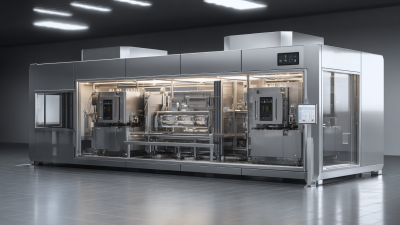
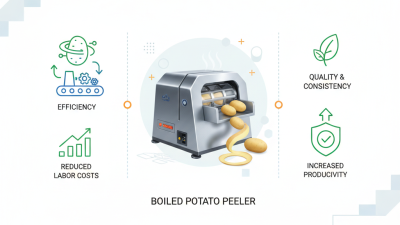
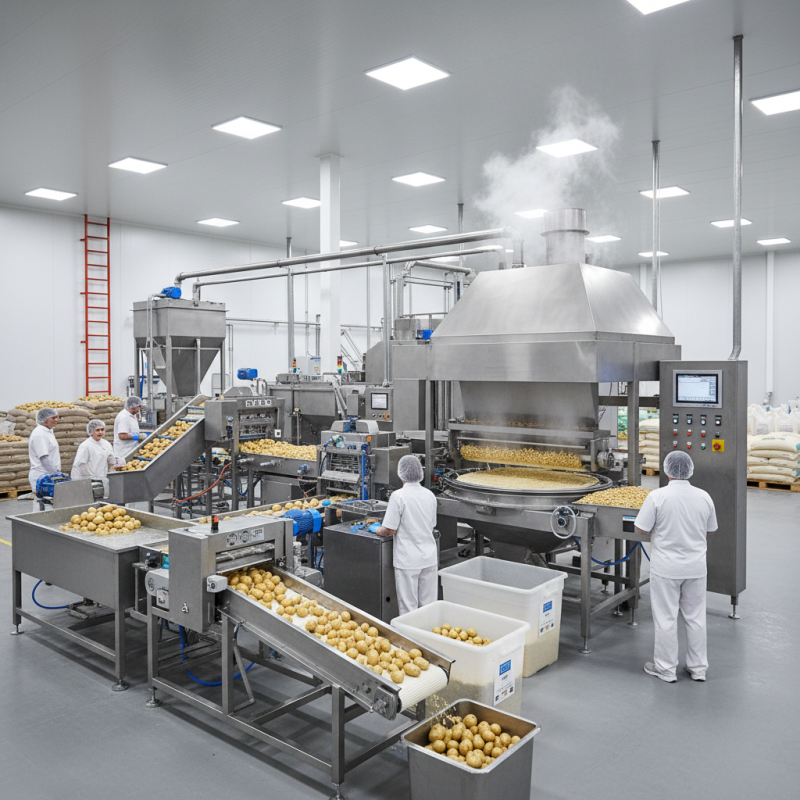
When diving into potato flakes processing lines, understanding the fundamental components is crucial. The line includes peeling, cooking, and drying equipment. Each piece plays a vital role in maintaining the quality of the final product. For instance, effective peeling prevents nutrient loss and enhances flavor. However, operators often overlook this step, leading to inconsistencies. It's essential to pay attention to equipment calibration and maintenance.
Furthermore, the drying process is critical. Inadequate drying can result in clumping and poor shelf life. Moreover, the type of drying technology, whether it’s air-drying or freeze-drying, will affect texture and taste. Many may think that any method will suffice, but that can be misleading. Consistency in moisture levels must be monitored closely.
Selecting the right machinery is only part of the equation. Training staff effectively can be just as significant. Employees need to understand how to operate machines correctly and troubleshoot potential issues. Passion and diligence in production can help in achieving better quality control. This human element often gets overlooked but is essential in ensuring a successful operation.
Key Factors to Consider in Equipment Selection
When selecting a potato flakes processing line, several key factors should guide your decision. First, it's essential to assess the capacity of the equipment. What volume can it handle? Understanding your production needs helps avoid over or under-investment, impacting efficiency.
Consider the technology incorporated in the processing line. Modern systems may utilize advanced drying methods. An option with improved energy efficiency can significantly lower operating costs over time. Additionally, look for equipment that is user-friendly. Complicated machinery can lead to operational challenges and increased training time for staff.
Another important aspect is the quality of materials used in construction. Durable, food-grade materials ensure safety and longevity. Regular maintenance can be more manageable with well-designed machines. It’s beneficial to seek input from experienced personnel. Their insights can reveal practical concerns that aren't immediately obvious but are critical for long-term success.
Choose wisely to build a reliable production process.
Evaluating Production Capacity and Scalability
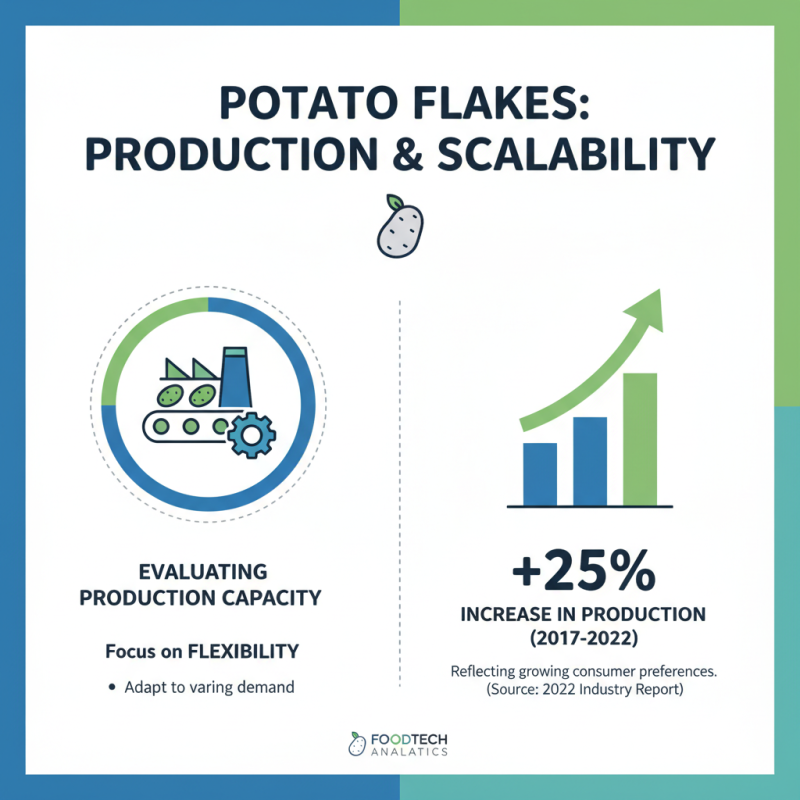
When evaluating production capacity for a potato flakes processing line, focus on scalability. A flexible line can adapt to varying demand. According to a 2022 industry report, potato flakes production has increased by 25% over the last five years, reflecting growing consumer preferences.
Understanding your output needs is crucial. A processing line should support your production goals. If you aim for a capacity of 1,000 kg per hour, ensure the machinery can sustain that output efficiently. Implementing automated systems can improve consistency and reduce labor costs. However, consider the risks of over-reliance on automation. Maintenance costs may rise, and labor skills can diminish.
Assessing scalability involves looking at future growth. The market for potato flakes is expected to grow annually by 4.3% through 2025, indicating expanding opportunities. Choose a processing line that can upgrade or expand. If demand suddenly spikes, your existing equipment might falter. Opt for a line with modular features, allowing for easy expansion without complete overhauls.
Importance of Technology and Innovation in Processing
In the world of potato flakes processing, technology and innovation play a crucial role. Efficient processing lines can dramatically impact product quality. Advanced technology ensures consistent texture and flavor. A state-of-the-art processing line uses automation to reduce human errors. This leads to higher productivity and lower costs. However, investing in technology can be daunting. Many processors worry about upfront expenses and return on investment.
Innovation also means keeping up with trends. Health-conscious consumers demand healthier options. Equipment that minimizes oil absorption can address this. New methods for maintaining nutrients during processing are emerging. These innovations help meet market demands while improving quality. It is vital to stay informed about industry advancements. Not all solutions will fit every business model. Assessing your unique needs is key to making the right choices.
Integrating new technology can pose challenges. Training staff is often overlooked but necessary. Resistance to change can slow progress. Yet, those who adapt often see significant benefits. This balance of risk and reward is what makes the industry dynamic. Embracing innovation is essential, but so is understanding its limitations.
7 Essential Tips for Choosing a Potato Flakes Processing Line
| Criteria |
Importance |
Technology Type |
Key Features |
| Production Capacity |
Determines output efficiency |
High-capacity processing units |
Ability to handle large volumes |
| Energy Consumption |
Impacts operational costs |
Energy-efficient machines |
Low power usage technology |
| Automation Level |
Reduces labor costs |
Automated processing systems |
Minimal manual intervention |
| Maintenance Needs |
Affects downtime |
Low-maintenance equipment |
Design for easy servicing |
| Quality Control Features |
Ensures consistent product quality |
Integrated quality monitoring |
Real-time feedback systems |
| Cost |
Affects overall investment |
Variety of price points |
Affordable to high-end options |
| Supplier Support |
Influences long-term reliability |
Comprehensive service packages |
24/7 technical assistance |
Assessing Maintenance and Support Services for Longevity
When selecting a potato flakes processing line, maintenance and support services are critical. Longevity is essential for sustained production and minimized downtime. Understanding the support structure in place is crucial. Ensure that the supplier offers robust maintenance schedules. Regular checks can prevent larger issues. It is vital to evaluate their response times. Quick assistance can save money and time.
Another factor to consider is the availability of spare parts. These should be readily accessible to avoid halting production. A reliable supplier will provide a clear roadmap for parts replacement. Not all suppliers maintain comprehensive inventories. This lack of foresight may lead to unplanned interruptions. Moreover, explore if they offer training for your staff. Well-trained operators can handle minor issues effectively.
Finally, consider user reviews about the support services. Feedback from peers can reveal strengths or weaknesses in the service. Understand that not every company excels in all areas. Reflecting on this can help you make a more informed decision. Prioritize longevity through proper support to ensure your investment remains beneficial.