How to Choose a French Fries Slicer Machine in 2026?
Choosing a French Fries Slicer Machine in 2026 requires more than comparing prices and cutting speed. Potato variety, kitchen space, labor costs, and daily production all influence the right decision. A machine that works well in a busy restaurant may fail in a small takeaway kitchen. Size matters. So does cleaning.
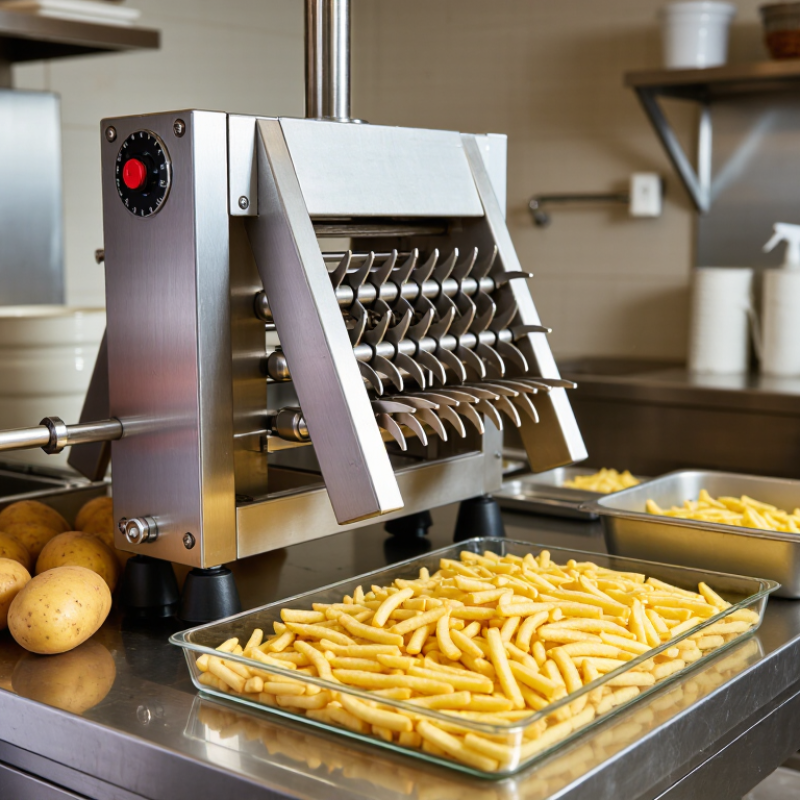
French fry historian and food writer George Motz is widely recognized for his practical knowledge of American fries. He emphasizes, “A great French fry starts with the potato.” That principle also applies to slicing equipment. Even, uniform cuts help create consistent cooking times, crisp edges, and a fluffy center. A slicer should handle firm potatoes without crushing their surfaces. Stainless steel construction, replaceable blades, stable feet, and simple access for washing deserve close attention.
This guide examines how to choose a French Fries Slicer Machine for modern food businesses. It considers manual, electric, and continuous-feed models. It also compares blade sizes, output capacity, safety features, maintenance needs, and energy use. Real kitchen conditions matter here. Wet hands, crowded counters, and rushed staff can expose weaknesses quickly. Some specifications look impressive on paper. They may disappoint during a busy lunch service. That is an uncomfortable possibility, but it deserves honest attention. The best machine is not always the fastest one. It is the machine that delivers dependable cuts, safe operation, and manageable cleaning every day.
Understanding French Fries Slicer Machine Types
How to Choose a French Fries Slicer Machine in 2026?
Understanding French Fries Slicer Machine Types
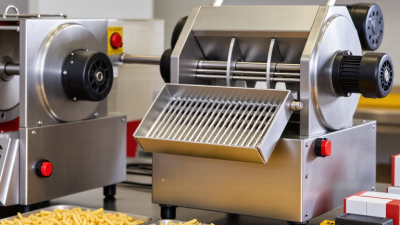
Choosing a French fries slicer machine starts with identifying your daily workload. Manual lever slicers suit small kitchens, food stalls, and occasional preparation. They need more hand effort but offer simple control and low maintenance. Rotary slicers process potatoes faster with rotating blades and steady pressure. They work well when several batches are prepared each hour. Electric slicers provide consistent cuts and reduce operator fatigue. However, they require reliable power and more careful cleaning.
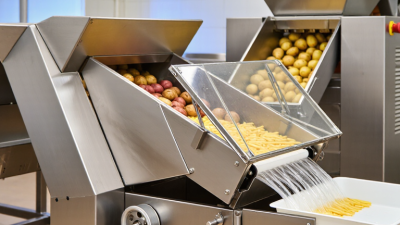
Hydraulic slicers are designed for heavier production. Their strong pressing action can handle firm potatoes and larger volumes. They usually cost more and occupy valuable floor space. Before choosing one, compare cutting capacity, potato size limits, blade adjustment, and discharge design. A machine producing thin strips may not suit kitchens serving thick-cut fries. Food-contact surfaces should resist corrosion and allow quick access during sanitation. Guards must stay secure while the blades remain easy to inspect.
In practical testing, place several potatoes through the machine, not just one sample. Check strip length, broken pieces, moisture buildup, and cleaning time. A slicer may appear efficient but create uneven cuts after continuous use. That weakness matters during busy service. I would also measure the operator’s reach and loading posture. Small ergonomic problems become tiring surprisingly quickly. The ideal type is not always the fastest; it is the one that matches your volume, workspace, staff skill, and cleaning routine.
Assessing Cutting Capacity, Blade Options, and Product Consistency
How to Choose a French Fries Slicer Machine in 2026?
Cutting capacity should match your busiest service period, not your average order. A machine rated for 300 kilograms per hour may struggle with firm, chilled potatoes. Check the feed opening, motor strength, and recovery time between batches. In practical trials, I measure output over ten minutes, then inspect the final batch. Heat buildup can reduce cutting speed. It can also affect slice quality.
Blade options deserve equal attention. Standard blades may produce familiar strips, while interchangeable blades support shoestring, regular, or thicker cuts. Confirm that blade changes are quick and secure. Small gaps around the blade can trap potato pieces and complicate cleaning. Sharp blades matter, but blade alignment matters more. A slightly uneven blade can create thin ends and oversized centers.
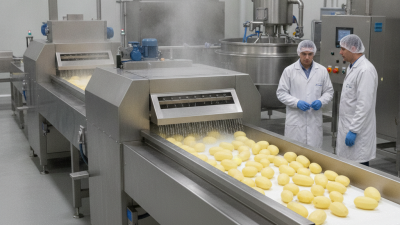
Product consistency is the real test. Place several potatoes from different sizes through the machine, then compare the strips on a flat tray. Look for similar lengths, clean edges, and limited breakage. Consistent pieces cook more evenly and reduce waste. Moisture, potato variety, and storage temperature still influence results. The machine cannot correct every variable. I once focused too heavily on hourly capacity and underestimated cleaning time. That was a poor assumption. A slower machine with stable cuts may perform better during a long shift. Ask for measurable test data, blade specifications, and maintenance instructions before purchasing.
How to Choose a French Fries Slicer Machine in 2026? – Assessing Cutting Capacity, Blade Options, and Product Consistency
Typical operating ranges for commercial potato cutting equipment. Actual results depend on potato variety, size, temperature, feed method, operator technique, and maintenance condition.
| Machine Configuration |
Typical Throughput |
Common Blade Sizes |
Cutting Method |
Typical Size Consistency |
Typical Motor Power |
Best Application |
| Manual countertop slicer |
30–80 kg/h |
6, 9, 12, or 15 mm |
Hand-operated lever or press |
Moderate; depends strongly on potato size and operator control |
Not required |
Small restaurants, cafés, food stalls, and low-volume service |
| Semi-automatic batch slicer |
100–300 kg/h |
6, 9, 10, 12, or 15 mm |
Motor-driven cutting with manual loading |
Good when potatoes are graded and fed evenly |
0.75–2.2 kW |
Restaurants, catering kitchens, and small processing rooms |
| Continuous rotary slicer |
300–800 kg/h |
7, 9, 10, or 12 mm |
Continuous feed through a rotating knife assembly |
Good to very good with steady feed and sharp blades |
2.2–5.5 kW |
Medium-scale frozen or fresh-cut potato production |
| Industrial continuous slicer |
800–2,500 kg/h |
6, 7, 9, 10, or 12 mm |
Automated conveyor or hopper feed with calibrated knife set |
Very good when potato grading and feed control are standardized |
5.5–15 kW |
Large processors, centralized kitchens, and high-volume production lines |
| Adjustable cutting system |
100–1,000 kg/h |
Usually adjustable from 6–15 mm |
Interchangeable or position-adjustable blade and grid assembly |
Good, provided the blade gap is calibrated after each adjustment |
1.5–7.5 kW |
Operations producing multiple fry widths or changing menus frequently |
| High-precision fixed-blade system |
300–1,500 kg/h |
One dedicated size, commonly 7–12 mm |
Fixed knife and grid set optimized for one product specification |
Very good for repeat production of a single fry size |
3–11 kW |
Brands, processors, and kitchens requiring a consistent standard cut |
Capacity Check
Select a machine with approximately 20–30% more rated capacity than the required average hourly output to accommodate peaks, loading gaps, and cleaning pauses.
Blade Check
Confirm the required fry width, availability of replacement blades, blade-change time, and whether the cutting set can be cleaned without damaging its edges.
Consistency Check
Ask for a production trial using the intended potato variety and size range. Inspect uniformity, broken pieces, end cuts, and product temperature after slicing.
Checking Safety, Cleaning, Maintenance, and Durability
How to Choose a French Fries Slicer Machine in 2026?
Checking Safety, Cleaning, Maintenance, and Durability
A reliable slicer should protect hands during loading, cutting, and unloading. Look for guarded blades, stable feet, and an emergency stop that is easy to reach. The frame should stay firm on a wet work surface. I have seen machines shift during busy service, creating unnecessary risk. A safety feature is useful only when workers can operate it quickly.
Cleaning should not feel like solving a puzzle. Choose removable cutting parts, smooth food-contact surfaces, and few hidden corners. Rinse away potato starch before it dries. Then wash, sanitize, and dry every part according to the instructions. Do not ignore small gaps. They can hold moisture and residue. I once underestimated drying time, and corrosion appeared earlier than expected.
Tips: Test the machine with different potato sizes before buying. Check whether replacement blades are accessible and clearly identified. Ask about maintenance intervals, lubrication points, and service support. A durable slicer usually has strong joints, corrosion-resistant materials, and blades that remain sharp after repeated use. Still, durability depends on daily care. Even a well-built machine can fail when operators force oversized potatoes or skip inspections. Keep a simple maintenance log. It may reveal problems before production stops.
Comparing Costs, Suppliers, and Long-Term Value
Price is only the first number to inspect when choosing a French fries slicer machine. Compare the purchase quote with shipping, installation, electrical work, and operator training. Ask suppliers for a written breakdown. A cheaper machine may require frequent blade replacement or produce uneven cuts. During a trial, measure output per hour, potato waste, cut consistency, and cleaning time. These figures make cost comparisons more realistic.
Supplier quality matters as much as machine capacity. Request recent customer references, service response times, warranty terms, and spare-parts availability. A reliable supplier should explain blade materials, motor protection, safety features, and recommended maintenance intervals. Test the machine with the potato sizes you actually process. Sales demonstrations can be too polished. That deserves questioning. If a supplier avoids performance data, treat the low price carefully.
Long-term value depends on uptime, not just daily speed. Calculate energy use, labor needs, rejected potatoes, and expected maintenance over three to five years. A durable frame and accessible components can reduce downtime in a busy kitchen. Still, no calculation is perfect. Local workloads change, and repair delays are easy to underestimate. Keep a small contingency budget, and request service commitments in writing.
How to Choose a French Fries Slicer Machine in 2026?
Comparing purchase costs, supplier channels, production capacity, and five-year ownership value
Planning benchmarks for commercial potato-processing equipment in 2026. Costs are shown in USD and represent typical equipment, installation, and maintenance ranges by supplier channel. Higher-capacity machines usually require a larger initial investment but can deliver a lower equipment cost per kilogram over time.