Ultimate Guide to Choosing the Best Potato Blanching Machine?
In the ever-evolving food processing industry, the demand for efficient equipment is paramount. The Potato Blanching Machine stands out as a crucial tool in this sector. According to a recent report by the Food Processing Equipment Association, the global market for blanching machines is projected to reach $500 million by 2025, highlighting significant growth potential. Industry expert Dr. Alice Thompson emphasizes, “Choosing the right blanching machine can enhance product quality and shelf life.”
Identifying the best Potato Blanching Machine requires consideration of various factors. Efficiency, durability, and technology integration are key. However, many operators underestimate the machine’s role in preserving flavor and nutrients. As the market expands, sourcing reliable machinery becomes increasingly challenging. Test results often reveal large discrepancies in performance among different brands.
Additionally, understanding the specific blanching needs for various types of potatoes can complicate the selection process. Equipment poorly matched to production goals may lead to increased waste and reduced profitability. It's essential to weigh these factors carefully, seeking expert advice and conducting thorough research before making a purchase.
Understanding the Importance of Potato Blanching in Food Processing
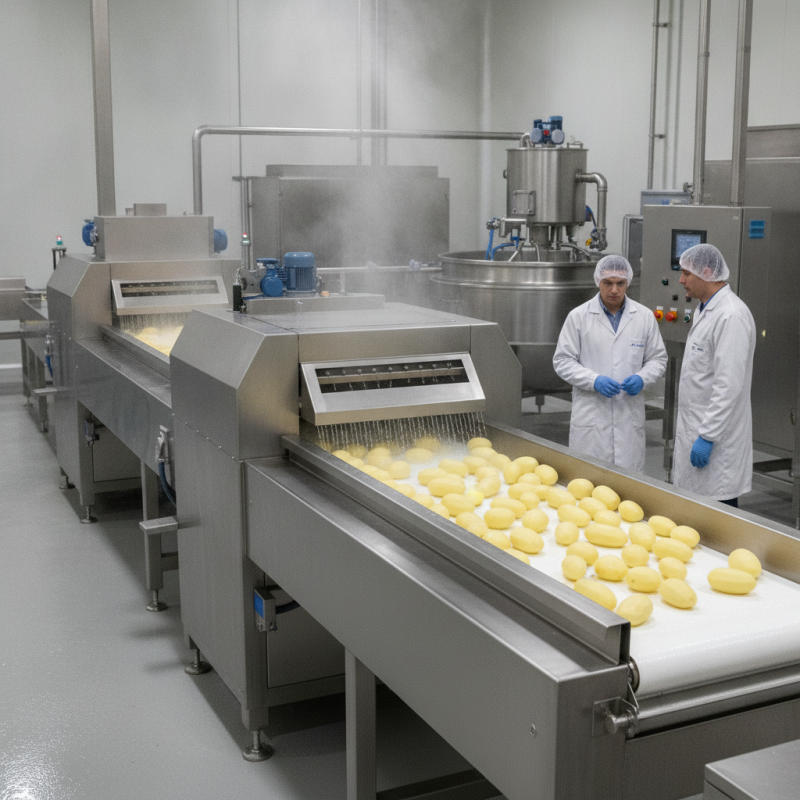
Potato blanching is a crucial step in food processing. It helps in preserving flavor, color, and nutritional value. By briefly cooking potatoes in hot water, enzymes that can lead to discoloration and loss of quality are inactivated. This process results in better texture and taste when the potatoes are finally cooked. Understanding the science behind blanching can improve the quality of your products significantly.
Tips for effective blanching: Ensure the water is at the right temperature before adding potatoes. Overheating can lead to mushiness. The blanching time matters. Too short or too long can compromise quality. After blanching, cool the potatoes quickly to stop the cooking process. Ice baths are recommended for optimal results.
Quality control is essential. Always check for even blanching. Inconsistent results can lead to customer dissatisfaction. Regularly maintain your blanching machine to avoid breakdowns. A poorly maintained machine can affect the boiling temperature and time, leading to uneven cooking. Investing in proper training for staff can also reduce errors. Always rely on experienced operators for better outcomes.
Ultimate Guide to Choosing the Best Potato Blanching Machine
| Feature |
Description |
Importance |
Considerations |
| Capacity |
The amount of potatoes the machine can blanch at one time. |
Higher capacity machines improve efficiency and reduce processing time. |
Consider your production needs and space availability. |
| Heating Method |
How the machine heats the water (steam, direct heat, etc.). |
Different methods affect blanching time and quality. |
Evaluate the pros and cons of each heating method. |
| Energy Efficiency |
The power consumption of the machine. |
Lower energy costs can improve profitability. |
Look for machines with energy-saving features or ratings. |
| Material Quality |
The materials used in the construction of the machine. |
Durable materials ensure longevity and reliability. |
Choose rust-resistant and food-grade materials. |
| Ease of Cleaning |
How easily the machine can be cleaned after use. |
Regular cleaning is essential for food safety. |
Look for designs that allow for easy disassembly. |
Key Features to Look for in a Potato Blanching Machine
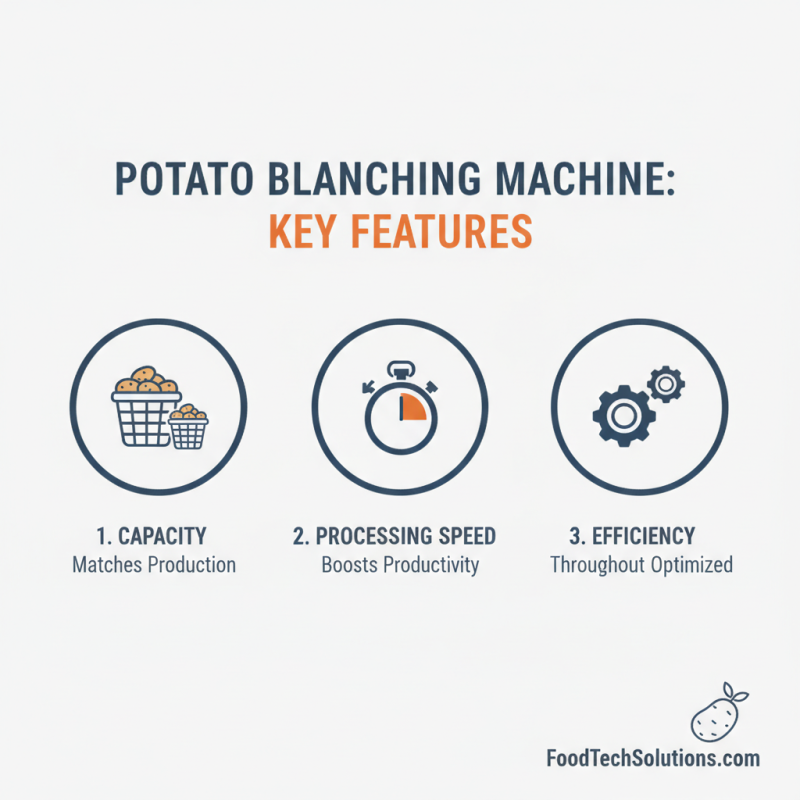
When selecting a potato blanching machine, several key features should guide your decision. The machine's capacity is crucial. You must ensure it can handle your production needs efficiently. A small-scale operation may require less capacity, while larger enterprises benefit from machines with higher throughput. Consider the processing speed, as it directly impacts your overall productivity.
Temperature control is another essential feature. Consistent heat ensures even blanching, preventing overcooking. Look for machines that offer precise temperature settings. Additionally, the construction material matters. Stainless steel is often preferred for its durability and easy cleaning. A well-built machine can handle high-volume tasks without frequent breakdowns.
Don't overlook the ease of maintenance. Blanching machines need regular cleaning to maintain hygiene. Some designs allow for quick disassembly, which is a significant advantage. However, some users find that their machines require more frequent repairs than anticipated. This experience highlights the importance of investing in quality machinery that offers reliable performance.
Types of Potato Blanching Machines Available on the Market
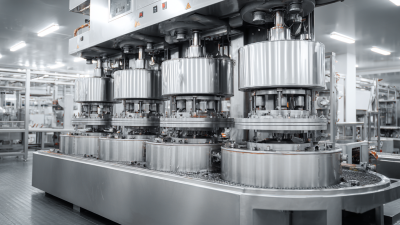
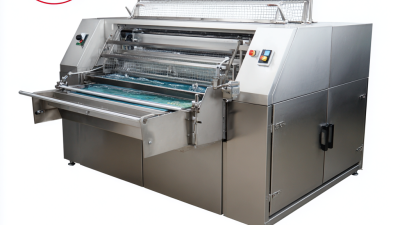
When selecting a potato blanching machine, understanding the different types available is crucial. The market offers several options, each designed to cater to specific needs in processing. Batch blanchers are common in smaller operations. They allow for controlled processing of limited quantities. These machines often include a timer and temperature settings, making them user-friendly.
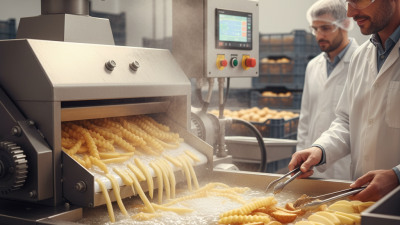
On the other hand, continuous blanching machines are suitable for larger operations. They can process large volumes quickly, providing efficiency. These machines also offer advanced features like steam or hot water blanching. However, they require a larger space and may involve a higher initial investment.
The choice should consider your production scale and budget. Not all machines are built the same way. Some may struggle with even heating, leading to inconsistent results. Examine your facility’s layout as well. Space constraints could limit your options. Careful consideration ensures you select the most appropriate machine for your needs.
Potato Blanching Machine Types and Usage Frequency
Factors Affecting the Performance of Blanching Machines
When selecting a potato blanching machine, certain factors can greatly impact its performance. The machine's capacity is crucial. A larger capacity can enhance efficiency but may require more space. Small businesses might prefer compact models. In contrast, larger operations often need industrial-sized machines.
The temperature consistency is another important factor. Proper temperature control ensures that blanching is effective. Cooling systems also play a role in preserving potato quality. Machines with precise temperature control prevent overcooking or uneven blanching.
Tips: Always check user reviews before making a decision. This helps identify common issues with specific machines. Consider energy efficiency as well. Machines that consume less power can lead to long-term cost savings.
Another factor to consider is the ease of cleaning. Machines that are complicated to disassemble can increase downtime. Regular maintenance is essential. Machines that require frequent repairs can disrupt operations and affect product quality.
Tips for Maintaining Your Potato Blanching Equipment for Longevity
Maintaining potato blanching equipment is crucial for longevity and efficiency. Regular checks can prevent costly breakdowns. According to industry reports, over 30% of equipment failures stem from inadequate maintenance. This underscores the importance of establishing a routine inspection schedule. Ensure all components are clean and functioning well.
Use water with the right pH level for blanching. Water with too high acidity can corrode machinery. Experts recommend keeping pH between 6 and 8. Consistent monitoring is key. Additionally, replace worn-out parts immediately. Delaying this can lead to more significant damage, increasing repair costs.
Regularly calibrate your temperature settings. Precise temperature is critical for optimal blanching. A variance of just a few degrees can affect product quality. Studies show that maintaining a steady 85°C ensures proper enzyme inactivation. Neglecting this can compromise your production standards. Ultimately, a proactive approach to maintenance extends the life of your equipment and improves output quality.