- Home
- Products
- About US
- Video
- Certification
- News
- Download
- FAQs
- Contact Us
Leave Your Message
Choosing a French Fries Slicer Machine is not simply about finding the fastest cutting speed. Global buyers need equipment that produces consistent strips, protects product quality, and fits real factory conditions. Potatoes vary in size, moisture, firmness, and surface condition. A machine that performs well during a showroom demonstration may behave differently during a twelve-hour production shift.
Quality expert W. Edwards Deming said, “Quality comes not from inspection, but from the improvement of the production process.” His principle remains highly relevant to potato-processing equipment. Buyers should examine blade design, cutting accuracy, feed control, sanitation access, safety features, and replacement-part availability. Stainless-steel construction matters, but it does not guarantee dependable performance. Weld quality, drainage design, and ease of cleaning deserve equal attention.
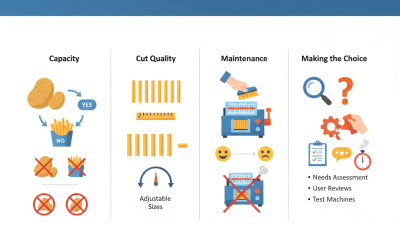
Capacity can also mislead. A listed hourly output may depend on ideal potato sizes and steady feeding. Real production includes pauses, trimming, cleaning, and occasional blockages. This is where many comparisons become imperfect. A compact French Fries Slicer Machine may suit a restaurant or small processor better than a large industrial unit. Meanwhile, high-volume plants may need automated feeding, adjustable cutting dimensions, and integration with washing or frying lines.
This guide compares leading machines for global buyers. It considers practical performance, operating costs, maintenance demands, and supplier reliability. Certifications and local electrical standards should be verified before purchase. No single model fits every market. The best choice balances output, product consistency, hygiene, worker safety, and long-term service support.
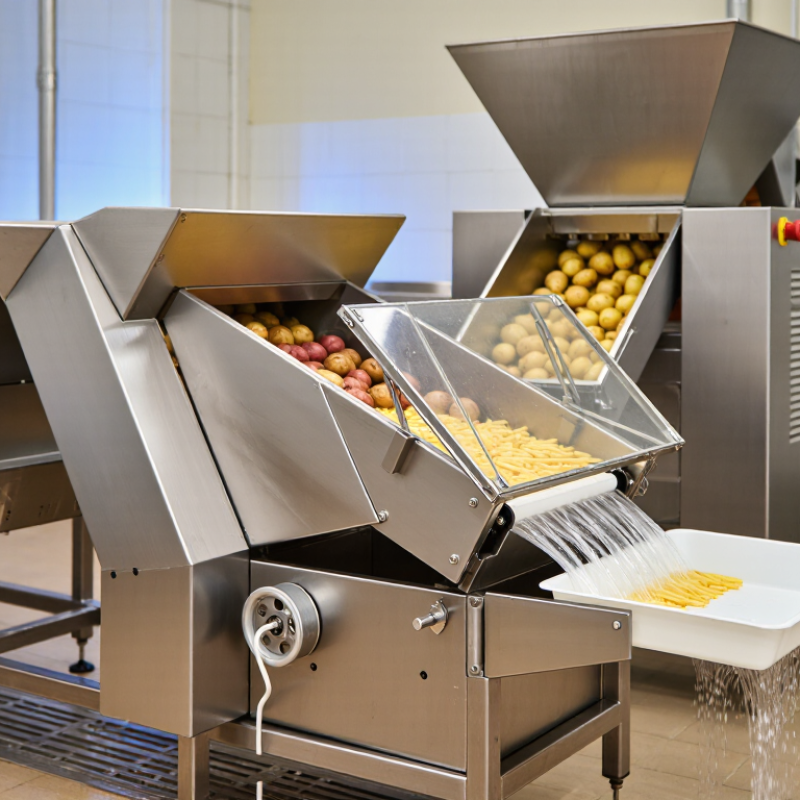
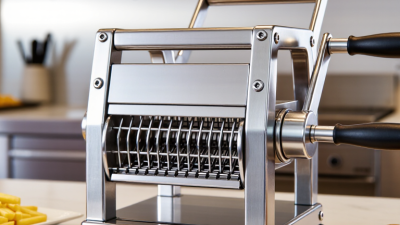
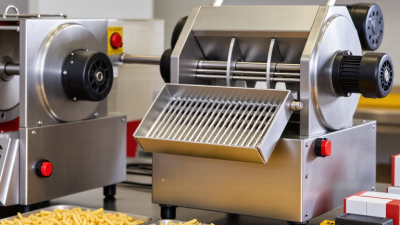
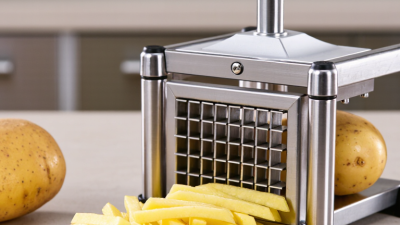
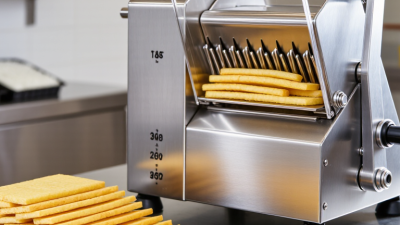
French fries slicer machines are food-processing devices that cut peeled or unpeeled potatoes into uniform strips. Their main parts include a feed hopper, cutting grid, pressure plate, frame, and safety controls. Depending on the model, they may use manual, semi-automatic, or continuous feeding. The cutting grid determines fry thickness, while the feed system affects speed and breakage.
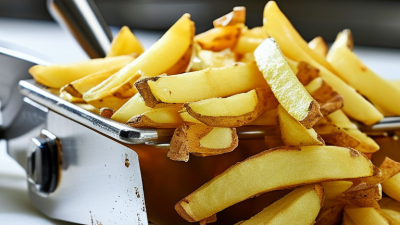
Their purpose is simple: produce consistent fries with less labor and waste. Uniform strips cook more evenly and absorb oil more predictably. In production trials, even small size differences caused uneven browning. That detail matters. Operators should check blade sharpness, potato firmness, and cutting pressure before each shift. A dull blade can crush potatoes instead of slicing them cleanly.
These machines serve restaurants, frozen-food processors, catering kitchens, supermarkets, and institutional food services. Small kitchens may prefer compact units for limited daily volume. Industrial buyers often need stainless-steel construction, washable surfaces, adjustable cutting sizes, and stable output. Electrical compatibility, local safety rules, spare-part access, and operator training also deserve careful review. Capacity figures can be optimistic. Real performance depends on potato size, feeding habits, and cleaning interruptions. A practical test with local potatoes is often more reliable than a brochure specification.
| Machine Category | Definition and Purpose | Typical Capacity | Common Cut Sizes | Typical Drive Power | Suitable Potato Preparation | Main Applications | Key Buyer Considerations |
|---|---|---|---|---|---|---|---|
| Manual or Tabletop Cutter | A compact slicer that uses a hand-operated lever or pusher to force potatoes through a cutting grid. | Approximately 30–120 kg per hour, depending on operator speed and potato size. | Usually 6–13 mm fries; interchangeable grids may be available. | No motor; manual operation. | Washed and peeled or unpeeled potatoes with relatively uniform shape. | Restaurants, cafés, food stalls, small catering operations, and test kitchens. | Low purchase cost, simple maintenance, limited throughput, and operator dependence. |
| Electric Batch Slicer | A motor-driven machine that processes potatoes in batches for more consistent cutting than manual equipment. | Approximately 100–500 kg per hour. | Commonly 6, 9, 10, 12, or 13 mm; cut grids are often replaceable. | Typically about 0.75–2.2 kW. | Whole potatoes after washing; peeling may be performed separately. | Independent restaurants, pubs, hotels, school kitchens, and medium-volume foodservice. | Check hopper dimensions, electrical frequency, safety interlocks, and availability of spare blades. |
| Continuous Commercial Slicer | A conveyor- or feed-driven slicer designed for continuous potato loading and uniform French fry production. | Approximately 500–1,500 kg per hour. | Commonly 6–13 mm, with options for straight-cut or specialty profiles. | Typically about 2.2–7.5 kW. | Washed, graded potatoes supplied continuously to the infeed system. | Central kitchens, frozen-food processors, restaurant commissaries, and catering suppliers. | Evaluate feed stability, cutting accuracy, changeover time, conveyor layout, and cleaning access. |
| Industrial High-Capacity Slicer | A heavy-duty automated system integrated into a potato-processing line for high-volume, repeatable cutting. | Approximately 1,500–10,000 kg per hour, depending on configuration and potato quality. | Usually 6–13 mm fries; custom dimensions may require dedicated cutting assemblies. | Typically about 5.5–30 kW for the slicing system and associated drives. | Washed, sorted, and size-controlled potatoes delivered by a continuous line. | Frozen French fry plants, large food manufacturers, export processors, and industrial contract suppliers. | Consider line integration, throughput at the required cut size, product loss, automation level, and local service support. |
| Hydraulic or Pneumatic Cutter | A powered cutting unit that uses hydraulic or pneumatic force to push potatoes through a blade block. | Approximately 300–2,000 kg per hour, depending on the feed system and cylinder design. | Commonly 6–13 mm; interchangeable knife blocks may support multiple dimensions. | Power demand varies; hydraulic systems commonly use about 1.5–7.5 kW pump motors. | Whole potatoes that have been washed and properly aligned or fed. | Medium-scale processing lines and operations requiring strong cutting force. | Review compressed-air or hydraulic requirements, food-contact materials, noise, and cylinder maintenance. |
| Spiral or Specialty Fry Cutter | A specialized slicer that produces spiral, curly, or other non-standard potato shapes rather than conventional straight-cut fries. | Approximately 100–800 kg per hour, depending on product shape and automation. | Spiral, curly, crinkle, wedge, or other specified profiles; dimensions depend on the cutting head. | Typically about 0.75–5.5 kW. | Washed potatoes selected for suitable diameter, length, and firmness. | Snack bars, quick-service restaurants, frozen snack production, and promotional menu products. | Confirm shape consistency, product yield, cutting-head availability, and compatibility with downstream frying equipment. |
Purchasing note: Capacity, power consumption, cut accuracy, and product yield vary with potato variety, potato dimensions, loading method, blade condition, and operating speed. Global buyers should confirm voltage, frequency, food-contact materials, sanitation requirements, spare parts, and applicable electrical and safety standards before ordering.