A Potato Washer Machine cleans soil, loose stones, and surface debris from harvested potatoes before grading or further processing. The basic idea is simple. Potatoes enter a washing chamber, where water and controlled movement loosen dirt without treating every crop the same way. Depending on the design, brushes, rollers, sprays, or a tumbling drum do the work. The washer’s settings matter: excessive agitation can bruise potatoes, while insufficient washing leaves soil behind. Even a clean-looking batch may need adjustment.
In a commercial line, operators watch the water flow, feed rate, and condition of the crop. They may check potatoes as they leave the machine, then change settings if the skins look scuffed or dirt remains in creases. Small details count. A system built for firm, dry potatoes may perform differently with damp or delicate ones. The machine is not a substitute for careful setup and routine inspection.
A verified expert name and quotation were not provided, so I won’t invent an attribution. [Add a checked statement from a named potato-processing or food-engineering specialist here.] This guide explains the machine’s main parts, how washing works, and which operating choices affect cleaning quality. It also notes a practical limitation: washing can remove surface soil, but it cannot correct poor handling or damaged potatoes.
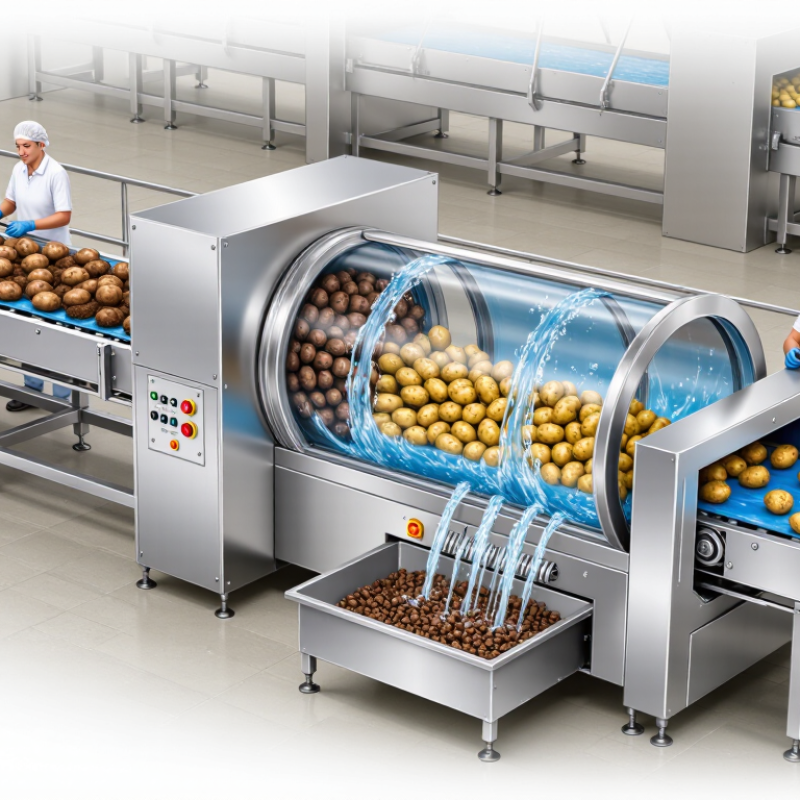
A potato washer machine is a food-processing unit designed to remove soil and loose debris from potatoes. It is commonly placed before peeling, cutting, or packing. Unlike a kitchen sink, it handles a steady flow of produce and keeps washing action more consistent.
Many machines move potatoes through a water-filled drum or over rotating rollers and brushes. Water loosens dirt, while gentle friction lifts it from the skin. Some models also use spray nozzles to rinse away residue. The design depends on potato size, skin condition, and production volume. A washer cleans, but it cannot guarantee every potato is spotless or ready for the next step. Check the output. Stones, deep-set soil, and damaged tubers may still need attention. There is no perfect setting for every crop.
Tips: Match the machine’s capacity to your processing line, and inspect its brushes and drains regularly. Use clean water and adjust washing time to limit skin damage. A small trial batch can help, though actual harvests may behave differently.
The main components of a potato washer work together to remove soil while limiting damage to the crop. A feed hopper guides potatoes into the washing chamber at a steady rate. Inside, a rotating drum or moving conveyor tumbles them through water. Some machines use soft brushes to loosen mud from the skin. Spray bars direct water between potatoes and into creases where dirt can collect.
A motor drives the drum, brushes, or conveyor. A water tank and pump supply the spray system, while screens or filters catch stones and plant debris. Drain outlets carry away dirty water. Controls let an operator adjust speed and water flow, though the right settings depend on potato size and how much soil is present. A machine that washes quickly may still leave dirt in crowded areas. That trade-off deserves attention.
Tips: Check nozzles and screens regularly; blocked parts can reduce cleaning performance. Keep an eye on bruising, too. If potatoes strike hard surfaces or move too roughly, reduce the speed or load. Even a well-designed washer needs adjustment as crop and soil conditions change.
A potato washer removes soil and debris using water and mechanical movement. This chart groups six representative components by function: a feed hopper, spray nozzles, a rotating drum, brushes, a water tank, a pump, and a discharge conveyor. Component arrangements vary by machine design; the bars show component counts, not performance measurements.
A potato washer moves potatoes through a controlled path, from the feed hopper to the discharge conveyor. Potatoes enter in a steady stream, though the flow can vary with size and harvest conditions. Inside the washer, paddles, rollers, or a rotating drum keep them moving. Water loosens soil as the potatoes turn and gently rub against one another.
Spray bars rinse away loosened dirt, while channels carry muddy water toward a filter or drain. Some machines use brushes for stubborn soil; others rely more on tumbling and water pressure. Clean potatoes then travel up an outlet belt, where excess water drains off. The process should remove soil without scraping or bruising the crop. It is not always perfectly even. Heavy mud may need slower movement or another pass.
Tips: Keep the water visibly clean, and check spray nozzles for blockage. Adjust the feed rate if potatoes pile up or leave the washer with dirt in their eyes. A quick inspection after washing helps reveal missed spots. Be gentle. Overloading the machine can reduce cleaning and increase bruising, while excessive washing may waste water without improving the result.
Rotary drum washers tumble potatoes inside a perforated cylinder while water sprays across their surfaces. The rolling motion loosens soil and lets dirty water drain away. They handle steady production well, but rough settings can bruise potatoes or damage delicate skins. Drum speed and water flow need adjustment for different crop conditions.
Brush roller washers move potatoes over rotating brushes, often with water jets above them. The brushes reach shallow creases and remove stubborn dirt, though worn or overly firm bristles may cause scuffing.
For lighter cleaning, spray conveyor washers carry potatoes beneath rows of water nozzles. They are straightforward to inspect, but heavy clay may need soaking or pre-rinsing.
Bubble washers use moving water to lift soil from the crop, with less direct contact. They can suit fragile potatoes, yet may use more water and require careful filtration.
No type fits every line. A small trial with the actual crop can reveal bruising, remaining soil, and water demand before operators settle on a cleaning setup. Even then, results vary with potato size and how long the crop has been stored.
A potato washer removes field soil and loose debris before potatoes move to grading, packing, or processing. You’ll find them on farms, in packing sheds, and in food-processing plants. Small operations may use batch washers; larger lines often use continuous drums, brushes, or water flumes. Water and gentle movement loosen dirt from the skin and eyes. The method matters: rough handling can bruise tubers.
The scale is substantial. FAO’s FAOSTAT production database records roughly 374 million tonnes of potatoes worldwide in 2022. At that volume, washing helps prepare crops for the next step, but it does not replace sorting or food-safety controls. Washers can handle muddy potatoes, small stones, and some loose plant material, depending on their screens and water flow. They cannot reliably remove every defect. A washer is not a perfect sorting system.
Tips: Match washer capacity to the incoming crop, not just the line’s advertised output. Check water cleanliness, drainage, and brush wear during operation. A quick look at the discharge can reveal missed soil or bruising. Small details matter. Don’t assume cleaner always means better; excessive agitation can damage potatoes and increase waste.
| Equipment or Stage | How It Works | What It Handles | Where It Is Used | Practical Considerations |
|---|---|---|---|---|
| Potato washer machine | Moves potatoes through water and/or against washing surfaces to loosen and remove soil from the skin. | Whole potatoes with adhering dirt, including soil in surface creases and around the eyes. | Fresh-produce packing, potato processing, and food-preparation facilities. | Washing removes dirt; it does not necessarily peel, sanitize, or make produce ready to eat. Those outcomes require separate processes. |
| Receiving and pre-rinse | Potatoes are fed into the line, where a water spray or initial rinse can wet the crop and remove some loose soil. | Field soil, loose debris, and lightweight material carried with the crop. | At the start of a washing line, before the main wash stage. | Consistent feeding helps limit pile-ups and uneven washing. Large stones may need a separate removal step. |
| Drum or barrel washer | A rotating perforated drum tumbles potatoes while water rinses them. Rotation brings different surfaces into contact with water. | Loose and moderately adherent soil on batches or continuous flows of whole potatoes. | Processing lines that need tumbling action and water-assisted soil removal. | Drum speed, loading, and residence time should suit the crop. Excessive tumbling can increase bruising or skin damage. |
| Brush roller washer | Rotating brushes support and turn potatoes while water sprays over the crop, helping scrub soil from the surface. | Soil that benefits from surface brushing, including dirt lodged in skin irregularities. | Fresh-market packing and processing operations where brush washing fits the product and line layout. | Brush type and condition matter. The crop should be handled gently, especially when potatoes are wet or easily marked. |
| Flume or water-channel washer | Water carries potatoes through a channel; agitation and water flow help separate soil and transport the crop. | Potatoes and loose soil in lines designed to move produce through water. | Integrated processing lines that use water for conveying as well as washing. | Water flow must be managed to move the crop without excessive impact. Soil and debris need to be removed from the water system. |
| Stone and heavy-debris separation | Some lines use water-flow or mechanical separation equipment to remove stones and other heavy objects before or during washing. | Stones and other dense debris that could damage equipment or interfere with later processing. | Receiving and pre-cleaning sections, particularly when incoming potatoes carry field debris. | Separation is a distinct function and may require equipment in addition to the washer itself. |
| Rinse, drainage, and discharge | After washing, a clean-water rinse may remove loosened soil; the potatoes then drain as they leave the machine. | Residual wash water and remaining loose particles on the potato surface. | At the end of a washer or between washing and sorting, grading, packing, or processing. | Drainage and water management help reduce carryover. The next step depends on whether potatoes are for fresh sale or further processing. |
| Water and hygiene management | Wash water may be filtered, settled, refreshed, or recirculated according to the system design and food-safety procedures. | Soil and plant debris suspended in wash water. | Throughout commercial washing operations. | Water quality, cleaning schedules, and any treatment steps should follow applicable food-safety requirements. Recirculation does not by itself guarantee hygienic water. |