Leave Your Message

What Is a Potato Chips Cutting Machine and How Does It Work?

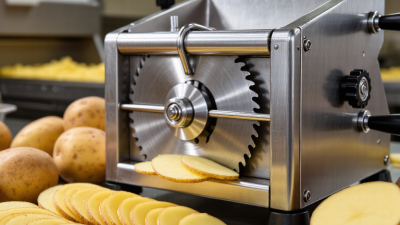
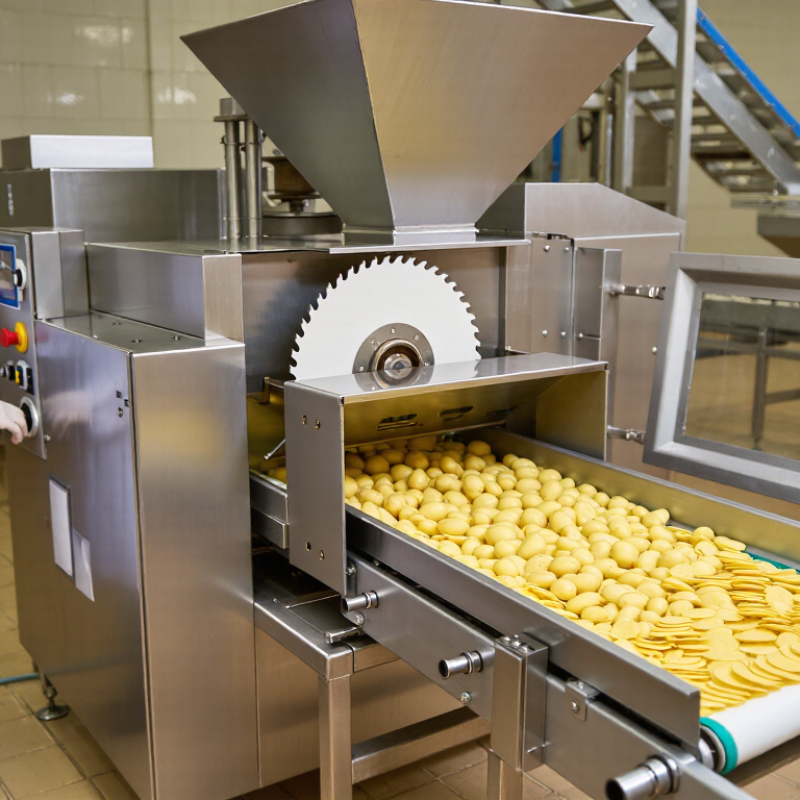
A Potato Chips Cutting Machine turns whole potatoes into slices of controlled thickness before they reach the fryer. The basic idea is simple. Consistency takes more care. A potato enters through a feed chute, meets a rotating blade or cutting disc, and exits as slices ready for rinsing and frying. The exact setup varies. Some machines use adjustable blades; others rely on interchangeable cutting heads.

Food engineer R. Paul Singh’s work on food processing emphasizes controlling materials and process conditions to achieve consistent results. A fair paraphrase of that principle for chip cutting is: “Steady feeding and precise blade settings help produce more uniform slices.” This is a paraphrase, not a verified direct quotation about a specific machine. That distinction matters.

In practice, operators check blade sharpness, feed rate, and slice thickness. A dull edge can tear a potato instead of cutting it cleanly. A rushed feed may create uneven slices. Even a well-designed machine cannot make every potato identical; size, shape, and firmness vary from batch to batch. That’s the part worth remembering. This guide explains the machine’s main components, how potatoes move through the cutting process, and which settings influence slice quality. It also considers cleaning and routine inspection, since residue and worn blades can affect performance. The machine is only one part of the line. The fryer and the potatoes matter, too.
What Is a Potato Chips Cutting Machine and How Does It Work?

What a Potato Chips Cutting Machine Is and What It Does

A potato chips cutting machine is equipment that turns prepared potatoes into thin, even slices for cooking. It does not usually wash or peel them; those steps happen before cutting. Depending on its design, potatoes enter through a feed chute and meet rotating blades, or a pusher guides them across a fixed blade. The slices then fall onto a conveyor or into a collection bin.

The operator can often adjust slice thickness, though the available range depends on the machine. Thin slices may cook quickly and become crisp, while thicker ones can need more time. Small differences matter. Potato size, firmness, and how steadily the machine is fed can all affect the cut. In practice, slices are not always perfectly even, especially when blades are dull or potatoes vary in shape. That part is easy to overlook.

For a food processor, the machine mainly provides a repeatable cut at a much faster pace than hand slicing. A worker still needs to check blade sharpness, keep the feed area clear, and inspect sample slices during operation. Safe handling matters: moving blades can cause serious injuries, so guards should stay in place and cleaning should follow the equipment instructions. The machine cuts the potato; it does not guarantee a consistent finished chip on its own.
Main Components and Their Functions

What Is a Potato Chips Cutting Machine and How Does It Work?

Main Components and Their Functions

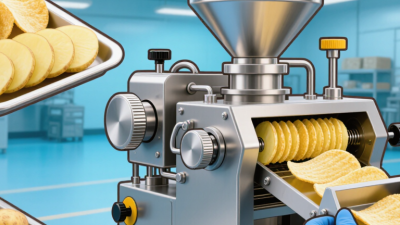
A potato chips cutting machine turns cleaned potatoes into slices with controlled thickness. Its infeed hopper guides potatoes toward the feed rollers, which steady them before cutting. A rotating blade or knife disc makes the slices; an adjustment mechanism changes their thickness. The discharge chute then directs slices toward rinsing or frying equipment. A motor powers the assembly, while guards and interlocks help reduce operator exposure to moving parts. Simple layout, demanding work.

Scale matters. FAOSTAT records roughly 375 million tonnes of potatoes produced worldwide in 2022. That volume shows why processors need dependable, repeatable cutting equipment, though crop size alone does not determine machine capacity. In practice, potato shape, firmness, feed rate, and blade condition all affect slice consistency. Even a well-set machine may produce slight variation. Check samples during operation, rather than trusting the adjustment setting alone.

Tips: Keep blades sharp and inspect them for chips or buildup before each shift. Feed potatoes steadily; surges can create uneven slices. A small caveat: cleaning and adjustment routines vary by machine design, so follow its operating manual.

What Is a Potato Chips Cutting Machine and How Does It Work? - Main Components and Their Functions
Component Main Function How It Works Practical Considerations
Feed hopper Receives whole or prepared potatoes and guides them into the cutting section. Its sloped surfaces help potatoes move toward the feed mechanism by gravity or controlled feeding. Consistent feeding helps reduce gaps, jams, and uneven loading.
Feed conveyor or positioning mechanism Moves potatoes toward the blade and helps present them for cutting. A belt, roller, or other feed mechanism advances potatoes at a controlled rate, depending on the machine design. Feed speed and potato alignment can affect slice consistency and machine throughput.
Cutting blade or knife assembly Cuts potatoes into slices or other specified shapes. Rotating or fixed blades shear potatoes as they pass through the cutting area. The blade arrangement determines the cut style. Sharp, undamaged blades support clean cuts; blade replacement and handling should follow safety procedures.
Thickness adjustment mechanism Sets the target thickness for potato slices. Depending on the design, an adjustment changes the blade position, cutting gap, or product feed relationship. Actual slice thickness can vary with potato size, shape, condition, and machine setup.
Drive motor and transmission Supplies power to the cutting and, where applicable, feeding mechanisms. The motor transfers rotation through a gearbox, belt, or direct-drive arrangement to move the relevant parts. Motor and drive specifications vary by machine capacity and configuration.
Discharge chute or outlet Directs freshly cut slices away from the cutting area. Gravity or a conveyor carries the slices to a collection point or the next processing stage. A clear outlet helps prevent product buildup and damage to delicate slices.
Frame and product-contact surfaces Supports the machine and provides surfaces that contact or guide the potatoes. The frame holds components in alignment, while product-contact parts guide potatoes through the process. Materials and construction should suit the intended food-processing and cleaning requirements.
Guards and safety controls Help protect operators from moving parts and support safe operation. Physical guards cover hazardous areas; some machines also use interlocks or emergency-stop controls. Guards should remain in place during operation, and safety controls should be checked as part of routine procedures.
Control panel Allows an operator to start, stop, or adjust machine functions. Controls may operate the motor, feed rate, or other settings, depending on the machine. Available controls differ between manual, semi-automatic, and automated configurations.

How the Machine Cuts Potatoes Step by Step

A potato chips cutting machine converts whole tubers into slices of controlled thickness. The process starts at the feed hopper, where potatoes move toward the cutting head. A guide or conveyor helps keep them steady. Some lines wash and peel potatoes before slicing; others handle these steps separately.

Then the blade works. A rotating disc or fixed knife cuts each potato as it passes through. Operators adjust the blade gap to change slice thickness, which affects cooking time and texture.

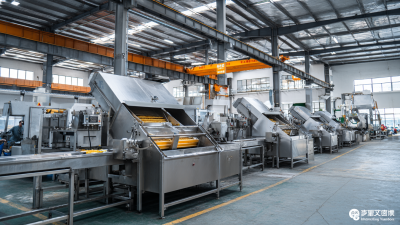
The cut slices drop onto a conveyor or into a water flume. This helps carry them onward and can wash away loose starch. Sensors or a visual check may reveal clumps, broken pieces, or uneven slices before frying.

In practice, not every potato behaves neatly. Curved shapes and changing firmness can create variation, so blade condition and feed speed need regular checks.

FAOSTAT reported global potato production of about 374 million tonnes in 2022. That volume helps explain why processors rely on consistent, high-throughput cutting equipment.

Still, a fast machine cannot fix poor setup; even a small thickness difference can show up as uneven color after frying.

Common Machine Types and Their Applications

Potato chip cutting machines turn washed, peeled or unpeeled potatoes into slices with controlled thickness. A feed chute guides each potato toward rotating blades or a moving cutting head. Slice thickness affects cooking time, texture, and oil uptake, so operators check samples before a full run. Thin slices fry faster. Uneven feeding can leave some pieces noticeably thicker.

Rotary slicers are common in continuous production, where potatoes pass through a rotating blade assembly at a steady rate. They suit larger batches and can produce smooth or ridged slices with the right blade. Reciprocating cutters move a blade back and forth, making them useful for smaller batches or flexible processing lines. Multi-purpose machines may also cut potatoes into sticks or wedges by changing the blade set. In a small kitchen, a compact manual cutter can handle limited volumes, though it requires more hands-on work.

Tips: Keep blades sharp and check thickness during operation. Feed potatoes at a steady pace, and avoid forcing oversized pieces into the chute. Clean and inspect cutting surfaces between batches; a rushed changeover can leave residue or create inconsistent cuts. Even a well-adjusted machine needs occasional checks.

Factors That Affect Slice Thickness and Cutting Quality

Slice thickness depends on more than the cutter’s adjustment. A small change in blade position can produce noticeably thinner or thicker slices. Potato size and shape matter, too; uneven pieces may not sit steadily against the cutting surface. Cold potatoes can be firmer, while warmer ones may bend or tear more easily.

Blade condition has a direct effect on cut quality. A sharp, clean blade makes smoother slices and reduces ragged edges. Worn blades can crush the potato instead of cutting it cleanly. Keep the blade clean. Starch buildup can interfere with cutting and make thickness less consistent. Feed speed and pressure also matter. If potatoes enter too quickly, they may shift or collide, creating uneven slices. Slower feeding can help, but it may reduce output.

Check slices during operation, not just at setup. A simple thickness gauge and a small sample from the fryer can reveal problems early. Changes in moisture or potato firmness may require a minor adjustment. Still, no setting stays perfect all day. Operators can miss gradual drift, especially during a busy run. A short inspection routine helps catch it.