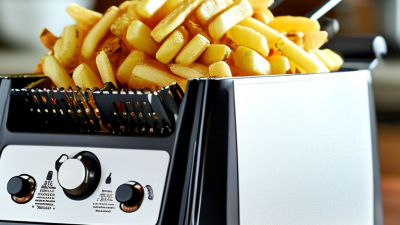
Potato processing operates at a global scale. FAOSTAT’s 2022 production data record about 375 million tonnes of potatoes worldwide, supplying fresh markets and food processors. The OECD-FAO Agricultural Outlook 2024–2033 offers broader context on agricultural markets and food demand. Neither report ranks cutting equipment, but both help explain why reliable preparation matters. For buyers, a French Fries Cutter Machine must turn firm potatoes into consistent strips, shift sizes without excessive downtime, and fit the real pace of a kitchen or processing line.
This Top 10 guide compares machines by practical buying factors: cutting capacity, blade options, construction, cleaning access, footprint, and service support. A small restaurant may need a sturdy countertop unit, while a factory requires dependable output across long shifts. Look closely at the parts that touch food, the effort needed to change blades, and whether replacement components are easy to source. Ask suppliers for test-cut samples and written capacity conditions; advertised figures may not match every potato variety or operator. A catalog can look convincing. Reality is messier. No cutter suits every buyer, and the lowest price can conceal costly maintenance or awkward cleaning. Use the shortlist as a starting point, then verify specifications, warranty terms, and local support before ordering.
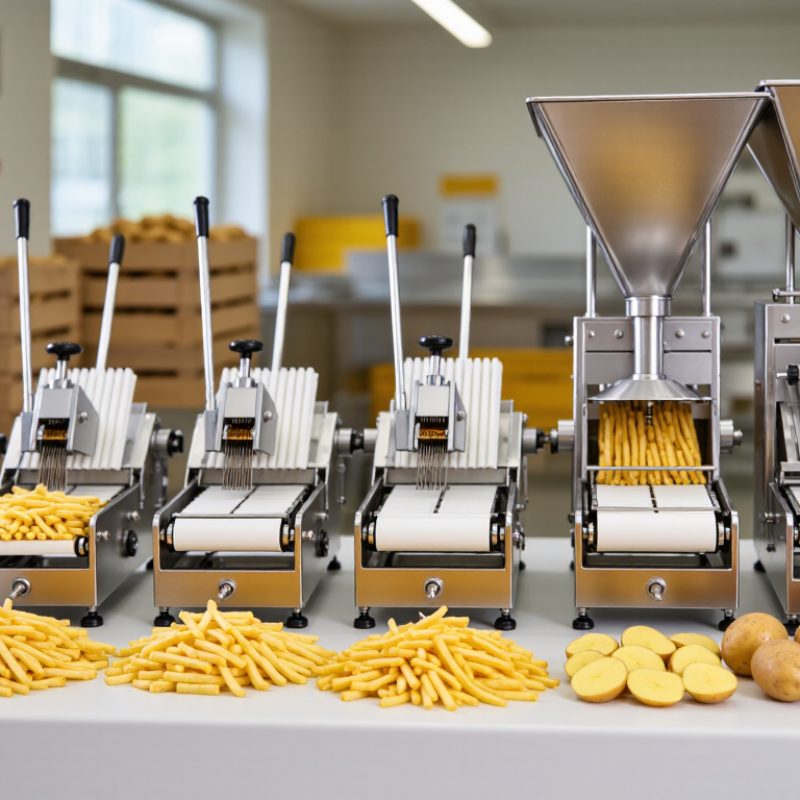
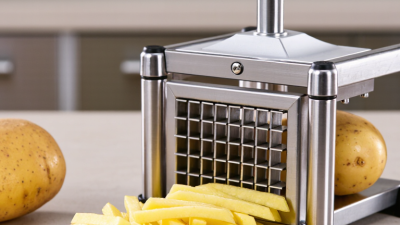
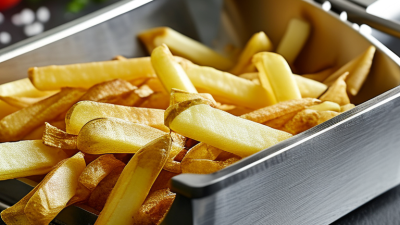
A French fries cutter machine turns whole potatoes into uniform strips by pressing them through a blade grid. Consistent pieces can cook at a more even pace and are easier to portion. They also look tidy. But cut size alone cannot compensate for potatoes with different moisture levels or uneven frying conditions.
Most machines use a feed chamber, a pusher, and a fixed or replaceable knife grid. In a manual model, the operator moves a handle; powered equipment uses a motor to drive the pushing action. The potato meets intersecting blades and exits as sticks. A 10-millimeter grid makes thicker fries than a 7-millimeter grid, though potato shape and positioning affect the result. Keep it straight. Crooked loading can produce tapered pieces, an issue that is easy to miss during a busy shift.
Before cutting, check that the machine is stable and the blade set is seated firmly. Use potatoes within the stated size range; forcing oversized pieces may strain components or create uneven cuts. Keep fingers away from the blades and use the pusher. Disconnect powered units before cleaning, and remove starch from the grid and contact surfaces. A quick rinse may not be enough. Inspect blade edges regularly: a dull set can crush potato ends instead of slicing them cleanly.
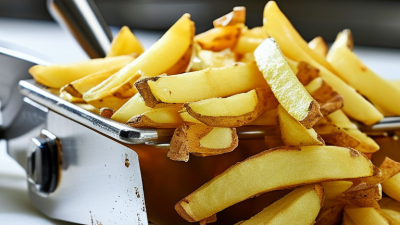
FAOSTAT’s Crops and livestock products database records roughly 375 million tonnes of potatoes produced worldwide in 2022. That scale makes matching cutter capacity to local supply and demand important. Compare rated throughput in kg/h, then verify it using your potato sizes and feeding method. Long, irregular tubers can reduce output and increase offcuts. Small details matter. Record cut dimensions, such as 7 mm or 10 mm, and inspect sample fries for consistency—not just the blade labels. Ask whether the stated capacity was measured continuously or in short batches. A practical acceptance test should run long enough to reveal jams, heat buildup, and operator fatigue.
Compare motor power, voltage, frequency, footprint, and changeover time with the destination site. Specify food-contact material grades, tool-free access, drainage, and the stated ingress-protection rating; “washdown-ready” alone is vague. Check guarding, interlocks, emergency stops, and local availability of replacement blades. Published figures rarely capture cleaning downtime. Ask for cleaning instructions, noise information, and spare-part lead times in writing. An apparently cheaper machine may cost more if it needs frequent manual clearing. Specifications help narrow the options, but a witnessed product trial gives buyers a more useful comparison.
French fry cutters vary by cutting method, capacity, and operator effort. A manual lever cutter suits cafés, food trucks, and small kitchens. The operator presses a potato through a fixed blade grid, often producing straight-cut fries in consistent widths. Interchangeable grids can also create thicker chips or narrower fries. The machine needs a secure countertop and evenly sized potatoes. Simple, but not effortless.
Floor-standing mechanical cutters are better suited to busy restaurants and institutional kitchens. Their longer handles or assisted mechanisms reduce repeated hand pressure during service. They can process larger potatoes, though staff still need to load them one at a time. Check the blade frame, guard, and collection tray before choosing. A high stated capacity means little if refilling slows the workflow.
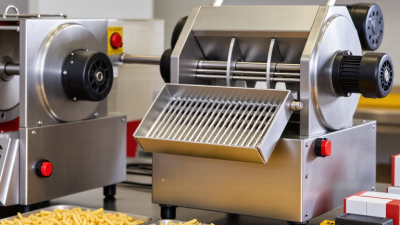
Automatic and continuous-duty cutters serve central kitchens and food processors handling larger batches. Feed systems move potatoes toward cutting assemblies, while operators monitor alignment and remove jams safely. These machines may offer higher output, but they need more floor space and routine blade maintenance. That trade-off is easy to underestimate. For any type, match the cut size to the menu, and test actual potatoes before purchase; variety, shape, and firmness can affect the result. Cleaning access matters too, especially around blade corners where starch and small fragments collect.
For global buyers, the top 10 French fries cutter machines are best compared by format and working capacity, not appearance alone. A useful shortlist includes manual lever cutters, tabletop push cutters, compact electric units, and adjustable-grid machines. It also covers continuous-feed cutters, belt-fed systems, multi-lane machines, heavy-duty floor models, washdown-friendly designs, and combination slicer-cutters. Small details matter.
Match the cutter to the potato volume and the rest of the line. A café may value a compact unit that fits beside a sink, while a processor may need steady feeding and quick blade changes. Check the cut dimensions, since a few millimeters can change cooking time and portion appearance. Ask how easily operators can remove and clean the grid. A machine that looks fast on paper may slow down during real cleaning and changeovers.
Global purchasing needs extra checks. Confirm electrical requirements, available service support, spare blade access, and the machine’s stated capacity under normal operating conditions. Request a sample cut using potatoes similar to your own; size and firmness affect results. One buying mistake is treating maximum hourly output as a guarantee. It is only a reference, and sometimes an optimistic one. I would compare test results, cleaning steps, and maintenance needs before relying on the headline figure.
| No. | Machine Type | Best Suited For | Common Cut Options | Indicative Throughput | Typical Drive | Buyer Considerations |
|---|---|---|---|---|---|---|
| 1 | Manual Lever French Fry Cutter | Small kitchens, cafés, and low-volume food preparation | About 6–13 mm straight cuts, depending on the blade grid | Approximately 30–80 kg/h; highly dependent on operator speed and potato size | Hand-operated lever | Low purchase and maintenance requirements; check blade availability, mounting stability, and cleaning access. |
| 2 | Heavy-Duty Countertop Cutter | Restaurants and catering kitchens with regular daily demand | Commonly 6, 9, or 12 mm straight cuts with interchangeable grids | Approximately 80–200 kg/h under practical manual operation | Hand lever or assisted mechanism | Compare footprint, cutting force, food-contact materials, and whether replacement grids are readily available. |
| 3 | Motorized Batch Cutter | Small food processors and central kitchens | Typically 6–12 mm straight cuts; some units support additional blade sets | Approximately 200–600 kg/h, depending on loading and cut size | Electric motor with batch or push-feed operation | Confirm voltage and frequency compatibility, guarding, emergency-stop provision, and ease of disassembly for cleaning. |
| 4 | Continuous-Feed Disc Cutter | Processors needing steady feed and consistent portioning | Straight strips and other cuts available with compatible cutting assemblies | Approximately 300–1,000 kg/h, depending on machine design and product preparation | Electric motor with continuous feed | Check feed opening, throughput at the required cut size, discharge handling, and compatibility with upstream washing or peeling equipment. |
| 5 | Belt-Fed Industrial Fry Cutter | Medium- to high-volume potato processing lines | Common straight-cut sizes include roughly 6–13 mm; multiple sizes may require change parts | Approximately 1–3 tonnes/h for suitable industrial configurations | Powered conveyor feed and cutting head | Assess belt width, feed consistency, product-transfer points, washdown design, and integration with blanching or frying lines. |
| 6 | Hydraulic Press-Style Cutter | Operations requiring high cutting force for batch-loaded potatoes | Straight fries and other grid-based shapes, subject to the installed die | Approximately 300–1,200 kg/h; cycle time and batch size determine actual output | Hydraulic power unit | Review guarding, pressure-system maintenance, cleaning procedures, and the availability of dies for the intended cut dimensions. |
| 7 | Crinkle-Cut Fry Cutter | Food-service kitchens and processors producing ridged fries | Crinkle strips; width depends on the cutting grid and blade profile | Approximately 50–500 kg/h, depending on manual or powered configuration | Manual lever or electric drive | Confirm the crinkle profile, strip width, blade replacement method, and whether straight-cut assemblies are also supported. |
| 8 | Wedge and Specialty Potato Cutter | Restaurants and processors making wedges or specialty potato portions | Wedges, quarters, or other shapes using the selected knife assembly | Approximately 100–800 kg/h, depending on feed method and product size | Manual, pneumatic, or electric drive, depending on configuration | Match the machine to potato diameter and target portion geometry; ask about changeover time and knife-set costs. |
| 9 | Multi-Lane High-Capacity Cutter | Large-scale processors with continuous production requirements | Multiple straight-cut widths; specialty cuts depend on fitted tooling | Approximately 2–8 tonnes/h for large industrial systems | Powered feed with synchronized cutting assembly | Evaluate the complete line capacity, product-size uniformity, installation requirements, controls, and access for inspection and sanitation. |
| 10 | Combination Vegetable and French Fry Cutter | Commercial kitchens that need fries plus other vegetable cuts | French fry strips and selected slices or dice with compatible attachments | Approximately 100–700 kg/h, varying substantially by attachment and feed method | Manual or electric drive | Check which attachments are included, how quickly they can be changed, and whether the machine is rated for the intended daily workload. |
Throughput figures are indicative ranges for comparing machine categories, not guaranteed ratings. Actual output varies with potato variety, size, preparation, cut dimensions, operator or feed rate, and machine configuration. Confirm rated capacity, electrical requirements, food-contact compliance, and cleaning instructions with the equipment supplier before purchase.
When comparing the top ten French fries cutter machines, start with the potatoes and daily workload, not the advertised speed. Check whether the cutter handles whole or peeled potatoes, and whether its blade options produce the sizes your kitchen needs. A 10 mm cut may suit one menu, while thicker chips need a different grid. Ask suppliers for measured output under realistic conditions. Numbers from an empty demonstration can be misleading.
Installation matters. Place the cutter on a firm, level workbench with room to load potatoes and collect cut fries. Confirm that the power supply matches the machine’s specifications, if it is powered, and follow the supplied installation instructions. Before use, check that guards and handles move freely. Run a small batch first. Watch for uneven cuts, slipping, or unusual noise; stop and inspect rather than forcing the handle.
Clean the machine after each shift, following its manual. Remove food residue from blade intersections with a suitable brush, keeping hands clear of sharp edges. Dry parts fully before reassembly to limit corrosion. Inspect blades, fasteners, and push plates regularly, and replace worn parts with compatible components. A cutter can look sturdy yet feel awkward after an hour of service. That detail is easy to miss, and worth considering during a hands-on trial.