Leave Your Message

7 Best Potato Chip Seasoning Machines for Global Buyers

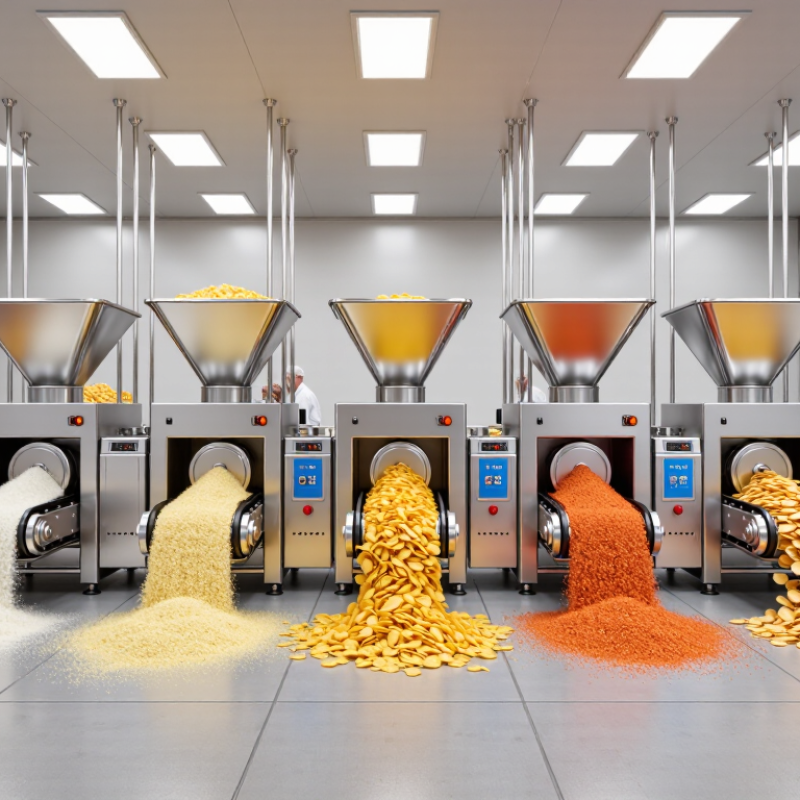
Choosing the right Potato Chip Seasoning Machine is rarely a simple equipment decision. Global buyers must compare seasoning accuracy, production speed, cleaning access, energy use, and after-sales support. A machine may look impressive in a showroom, yet perform poorly with fine powders, irregular chips, or changing batch sizes. Real factory conditions matter more.

Food-processing engineer Dr. Tim Bowser has said, “Good process design protects quality before packaging begins.” This principle fits potato chip seasoning closely. Even coating depends on controlled drum movement, stable feed rates, and carefully adjusted seasoning delivery. A small error can leave some chips too salty while others remain almost plain. That wastes product and damages customer confidence.

This guide reviews seven machines for different production needs. Some models suit large continuous lines. Others are better for flexible, medium-scale operations. Sanitation design deserves close attention. Operators should inspect dead corners, removable contact parts, and powder buildup around seals. Electrical standards and local service availability also influence the final choice. These details are easy to overlook.

No machine is perfect. Buyers may need to accept a compromise between output, automation, and purchase cost. That is not a weakness in the evaluation. It is a realistic part of equipment planning. The best Potato Chip Seasoning Machine should match the factory’s recipes, workforce, floor space, and future expansion plans—not merely its advertised capacity.
7 Best Potato Chip Seasoning Machines for Global Buyers

What Potato Chip Seasoning Machines Do and How They Work

Potato chip seasoning machines apply dry spices, liquid flavors, or both after frying and cooling. Their main task is simple: create even coverage without breaking fragile chips. In practice, the machine choice affects oil pickup, powder loss, cleaning time, and production speed.

A batch tumbler uses a rotating drum to lift and roll chips gently. Operators add seasoning through a controlled port, then adjust drum speed and residence time.

Continuous drum systems receive chips on a moving line and meter seasoning through an adjustable feeder. Spray systems atomize oil or liquid flavor before dry powder is added.

This improves adhesion, especially when the chip surface is too dry. Vibratory conveyors can distribute seasoning while reducing sharp impacts. Some plants combine these methods.

Airflow matters. Too much air can carry fine powder away. Too little can leave pale patches.

I check samples from the beginning, middle, and end of a run, then compare weight gain and visual coverage. It is not magic. Temperature, humidity, chip shape, and powder particle size change the result.

A practical buyer should inspect food-contact materials, washdown access, guarding, calibration options, and documented tests. One detail is often missed: a machine may run fast but waste seasoning. That is not real efficiency. Trial runs with the intended chip and recipe remain essential, although even those tests may not predict every seasonal variation.
Key Machine Types for Different Potato Chip Production Needs

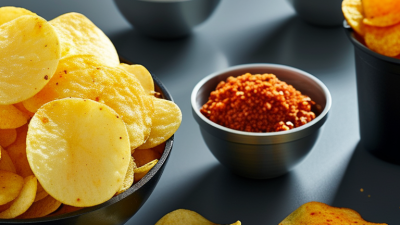
Choosing among the seven best potato chip seasoning machines depends on production scale, flavor style, and labor conditions. A batch seasoning drum suits small factories and frequent flavor changes. Operators can load 25 to 50 kilograms, adjust drum speed, and inspect coverage between batches. A continuous seasoning drum supports larger plants. It keeps chips moving through a controlled flow, but poor feeding can create uneven flavor.

An oil spraying machine applies a thin layer before seasoning. This helps dry powders attach to hot, crisp surfaces. A powder dosing machine then controls salt, cheese flavor, or spice blends with better consistency. Rotary coating machines provide stronger mixing for thicker seasonings. For delicate chips, gentle tumbling reduces breakage. Fluidized seasoning systems offer precise contact with fine powders, although they may require higher investment and skilled maintenance.

Integrated seasoning lines combine conveyors, oil sprayers, dosing units, and automatic controls. They suit export-oriented factories that need traceable settings and stable output. Sanitary stainless steel construction matters. Quick-release parts also reduce cleaning time and contamination risks. In practical trials, I have found that perfect coverage is difficult when chip thickness varies. Some seasoning waste is normal. Buyers should test real chips, not only machine samples, before purchasing. A smaller machine with careful adjustment may outperform a larger unit with weak control.

Seven Leading Seasoning Machines Compared by Performance and Design

7 Best Potato Chip Seasoning Machines for Global Buyers

Seven Leading Seasoning Machines Compared by Performance and Design

Choosing among seven leading seasoning machines requires more than reading output figures. A rotating drum offers steady coating for continuous production, while a paddle mixer suits smaller, controlled batches. Tumble systems can handle delicate chips, but excessive speed may cause breakage. A practical test should examine seasoning uniformity, dust loss, cleaning time, and noise.

Design details affect daily performance. Food-grade stainless steel, adjustable drum angles, and variable-speed drives support safer, more flexible operation. Some machines process 5 to 20 kilograms per minute, depending on chip shape, oil level, and seasoning density. Spray nozzles should create a fine, even layer. Large access doors make inspection easier. Small gaps can still trap powder.

Not every strong machine performs well in every factory. A compact unit may save floor space but require more frequent loading. A high-capacity line may reduce labor, yet demand stronger ventilation and stable power. That matters for global buyers. Electrical standards, spare-part access, and operator training vary by region. A machine that looks efficient in a catalog may struggle with curved chips or wet seasoning. Trial runs reveal more than attractive specifications. Personally, I would compare samples from the same batch before approving any design. Mistakes happen. Performance data needs context.

How to Evaluate Capacity, Seasoning Accuracy, and Product Quality

Capacity is not the number printed on a brochure. Compare rated output with actual potato-chip production. A machine rated at 1,000 kilograms per hour may perform poorly with humid seasoning or irregular chip sizes. Request a trial using your own chips. Record throughput, downtime, cleaning time, and seasoning loss. Small details matter.

Seasoning accuracy needs measurable evidence. Check dosage variation across the belt, drum, and discharge point. A practical factory test can weigh seasoning before and after production. Track results over several batches, not one sample. The Food and Agriculture Organization reported that 13.2% of food was lost between harvest and retail globally in 2021. Better process control can reduce avoidable waste, although seasoning equipment is only one part of that problem.

Product quality depends on more than flavor coverage. Inspect broken chips, oil pooling, powder dust, and color changes after packaging. Ask whether the machine supports gentle handling and quick sanitation. Codex food-hygiene guidance emphasizes hygienic design, cleanable surfaces, and contamination control. These requirements should shape your inspection checklist. Capacity claims can be optimistic. I have seen specifications hide changeover delays and manual adjustments. That is an uncomfortable point, but buyers should measure real output under realistic conditions. Keep samples from every trial, then compare flavor uniformity, texture, and shelf stability after storage.

7 Best Potato Chip Seasoning Machines for Global Buyers - How to Evaluate Capacity, Seasoning Accuracy, and Product Quality

No. Machine Type Typical Capacity Seasoning Accuracy Seasoning Time Seasoning Coverage Product Quality Control Construction Cleaning Time Best Application
1 Continuous Rotary Drum Seasoner 500–1,500 kg/h Typically ±3% 20–45 seconds Continuous tumbling with adjustable drum angle and rotation speed Good coating uniformity with controlled product residence time and low-to-moderate breakage Food-grade stainless steel; usually AISI 304, with 316 available for wet-contact areas 30–60 minutes Medium- and high-volume potato chip lines
2 Loss-in-Weight Powder Dosing Line 800–2,000 kg/h Typically ±1–2% 10–30 seconds Metered powder dosing synchronized with product flow and optional oil spray Highest dosing consistency; helps reduce seasoning giveaway and flavor variation Stainless steel frame with load cells, vibratory feeder, and enclosed dosing system 45–90 minutes Export-oriented plants requiring repeatable recipes and low seasoning waste
3 Batch Octagonal Tumbler 100–500 kg/h Typically ±2–4% 2–5 minutes per batch Multiple internal flights provide gentle lifting and repeated seasoning contact Gentle handling can limit chip breakage when speed and fill level are correctly adjusted AISI 304 stainless steel; removable contact parts are commonly available 20–40 minutes Small and medium processors producing several flavors
4 Vibratory Seasoning Conveyor 200–800 kg/h Typically ±2–3% 15–40 seconds Even product spreading with powder dosing over a controlled vibrating bed Low product compression and good separation reduce clumping and localized over-seasoning Open-frame stainless steel conveyor with sanitary trays and adjustable vibration 25–50 minutes Lines prioritizing gentle transfer and straightforward flavor changeovers
5 Oil-and-Powder Dual-Application Seasoner 300–1,000 kg/h Typically ±2–3% 20–50 seconds Fine oil mist or spray creates a bonding layer before powder application Strong flavor adhesion and improved coverage for fine powders and seasoning blends Stainless steel drum or conveyor with enclosed spray manifold and powder feeder 45–75 minutes Premium coated chips, strong flavors, and products requiring high seasoning adhesion
6 Compact Inclined Drum Seasoner 50–250 kg/h Typically ±3–5% 30–90 seconds Manual or semi-automatic powder addition with adjustable drum speed Suitable quality for small batches; operator control has a larger effect on consistency Compact stainless steel body with simple mechanical controls 15–30 minutes Start-ups, pilot production, restaurants, and frequent small-batch trials
7 Multi-Flavor Modular Seasoning System 500–1,200 kg/h Typically ±2–4% 20–60 seconds Independent dosing modules support rapid switching between recipes and flavors Flexible recipe control with reduced cross-contact when modules are isolated and cleaned correctly Sanitary stainless steel construction with modular feeders and recipe-controlled automation 45–90 minutes Contract manufacturers and plants producing many SKUs or frequent flavor changes

Technical note: Capacity, seasoning accuracy, residence time, and cleaning time are typical commercial ranges for comparable equipment configurations. Actual performance depends on chip size, moisture, oil level, seasoning density, drum fill ratio, feeder calibration, and operating conditions.

Global Buying Factors: Standards, Installation, Maintenance, and Cost

Choosing among the 7 best potato chip seasoning machines requires more than comparing capacity. Global buyers should examine food-contact materials, electrical safety, and sanitation design. Stainless steel surfaces should resist corrosion and clean easily. Ask for conformity documents that match the destination market. Requirements may differ between regions, so local verification remains necessary.

Installation can determine real production performance. Confirm voltage, compressed-air needs, floor space, and ventilation before purchase. A clear layout drawing helps prevent costly site changes. Operators also need practical training, not only a user manual. During commissioning, check seasoning accuracy, conveyor speed, and product loss. Small errors can become expensive over several shifts.

Tips: Request spare-part lists, maintenance schedules, and remote support details. Inspect seals, nozzles, sensors, and rotating parts regularly. Keep cleaning records for reliable food safety control. Total cost includes shipping, installation, energy use, labor, and downtime. A cheaper machine may require more frequent adjustments. I have seen buyers focus on the purchase price and overlook service access. That judgment is understandable, but incomplete. Ask for a realistic three-year cost estimate, including replacement parts and technician visits. Performance claims should be tested with your potato variety, oil level, seasoning texture, and target output. A machine that performs well in a showroom may behave differently on your factory floor.