Best Automatic Steam Peeler for Efficient Food Processing?
In the fast-paced world of food processing, efficiency is key. The "Automatic Steam Peeler" has emerged as a game changer. Industry expert Dr. Emily Chen emphasizes, “The right peeler can transform productivity in any kitchen.” This statement underscores the importance of selecting the best tools for optimal results.
When considering an Automatic Steam Peeler, factors such as peeling speed, ease of use, and maintenance are crucial. High-quality peelers can significantly reduce labor time, but not all models deliver the same performance. For instance, some machines leave residue while others peel evenly and cleanly. It's essential to reflect on the specific needs of your operation when making a choice.
Moreover, the learning curve associated with these machines can be a hurdle. Many users struggle initially with settings and adjustments. Identifying common challenges can lead to better decision-making and improved productivity. As the demand for efficiency grows, investing in a reliable Automatic Steam Peeler becomes a vital consideration for food businesses aiming to enhance their processing capabilities.
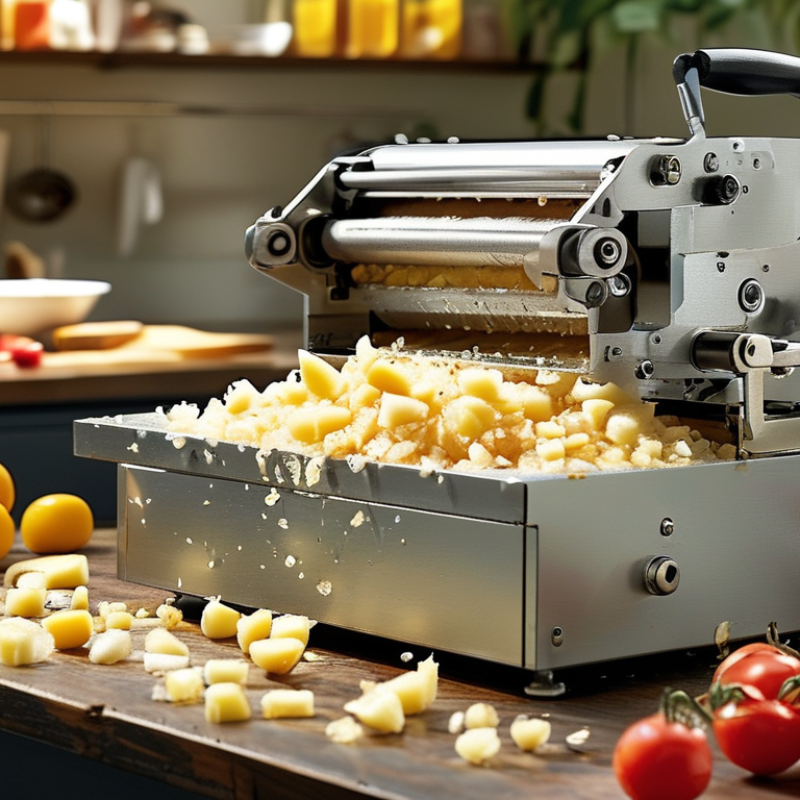
Overview of Automatic Steam Peelers in Food Processing
Automatic steam peelers are becoming essential in modern food processing. These machines enhance efficiency by significantly reducing peeling times. According to industry reports, steam peeling can cut labor costs by up to 30%. This is crucial for large-scale production where time is money.
Steam peelers utilize high-pressure steam to loosen the skin of fruits and vegetables. The process retains more nutrients compared to traditional methods. Research shows that steam peeling can maintain 80% of vitamin C content in potatoes. This is vital for health-conscious consumers. However, not all produce is suitable for steam peeling, leading to potential waste if not managed well.
Tips: Regular maintenance of steam peelers is important. This ensures they operate efficiently and reduces unexpected downtimes. Proper training for staff operating the machines is also necessary. Many issues arise from improper use.
In addition, water usage in steam peeling processes must be monitored closely. Some facilities report water waste exceeding 1,000 gallons per batch. Finding balance in usage is an ongoing challenge. Exploring alternatives may offer solutions to this issue. It's essential for food processing plants to regularly evaluate their practices.
Key Features to Consider in an Automatic Steam Peeler
When selecting an automatic steam peeler, several key features should be prioritized for efficiency in food processing. One critical factor is the peeling speed. Research indicates that high-quality steam peelers can reduce peeling time by up to 50% compared to traditional methods. This efficiency not only saves time but also enhances the overall productivity in food processing environments. The steam pressure and temperature settings should be adjustable, allowing for versatility with different types of produce.
Another important feature is the design of the peeling mechanism. A well-designed peeler effectively removes skin while minimizing product loss. Industry data highlights that less than 5% of peel loss is optimal for maintaining yield. For heavy-duty usage, ensure the model can handle larger volumes. A user-friendly interface and automatic cleaning functions are also valuable, streamlining operations in busy kitchens.
**Tip:** Always consider the machine's maintenance requirements. Proper upkeep can extend the lifespan of the equipment significantly.
**Tip:** Check if the model has energy-efficient features. This can lead to lower operational costs in the long run.
Choosing the right steam peeler is not solely about advanced technology. It is also crucial to understand the balance between speed, efficiency, and preservation of food quality.
Top Models of Automatic Steam Peelers on the Market
When it comes to food processing, efficiency is key. Automatic steam peelers streamline the peeling process, making meal prep faster. They use steam to loosen skins, resulting in quick peeling without damaging the vegetables. Many models cater to different scales, whether it's a home kitchen or a commercial setup.
One top feature to consider is the speed of operation. Some models can peel a large batch in minutes. They often come with adjustable steam settings to cater to different types of produce, from tomatoes to potatoes. However, not all machines offer uniform results. Users might notice uneven peeling in some cases.
Durability and ease of cleaning are also crucial. Stainless steel models typically last longer and resist corrosion. However, not all designs make cleaning easy. Sometimes, stubborn residues can be difficult to remove. Evaluating customer reviews can shed light on these common issues. Proper research ensures that you choose the right model for your specific needs.
Comparison of Automatic Steam Peelers
Comparative Analysis of Efficiency in Food Processing Methods
In food processing, efficiency is key.
Automatic steam peelers offer a novel solution. They allow quick peeling of fruits and vegetables, significantly reducing labor time. Steam penetration softens skins, making removal easier. This method preserves the quality of produce while increasing output. The technology is appealing for businesses seeking to improve productivity.
However, not all steam peelers deliver the same level of efficiency. Factors like the type of produce, steaming time, and user technique can impact performance. For instance, oversteaming can compromise texture. It is crucial to monitor these variables closely. Some users may find the initial setup challenging. This knowledge gap can affect overall efficiency during operation.
A comparative analysis shows a clear trend: the right equipment can speed up processing times drastically. Yet, some operators report inconsistencies. Skills in operation play a significant role. Relying solely on technology without understanding the process can lead to wasted resources. It highlights the importance of training and experience in achieving optimal results in food processing.
Maintenance Tips for Optimal Performance of Steam Peelers
When using automatic steam peelers, maintenance is key to their efficiency. Regular cleaning prevents residue build-up. This ensures the longevity of the machine.
Keep the steamer's components free from food particles. Use warm, soapy water to clean surfaces. Pay attention to seals and joints; they can wear out. Replace them when needed.
In addition to cleaning, routine inspections are vital. Check the steam pressure regularly. Low pressure can affect peeling efficiency. If the machine shows consistent problems, consult a technician. Reflections on past mistakes can promote better maintenance habits. Take notes on what works and what doesn't. Revisit these notes periodically to improve practices.
Best Automatic Steam Peeler for Efficient Food Processing? - Maintenance Tips for Optimal Performance of Steam Peelers
| Model |
Peeling Capacity (kg/hr) |
Steam Requirement (bar) |
Energy Consumption (kW) |
Maintenance Frequency (months) |
Key Maintenance Tips |
| Model A |
500 |
1.5 |
10 |
6 |
Regularly inspect seals and gaskets. |
| Model B |
750 |
1.2 |
15 |
12 |
Clean steam lines regularly to prevent blockages. |
| Model C |
300 |
1.8 |
8 |
4 |
Check for corrosion on metal parts. |
| Model D |
600 |
1.0 |
12 |
8 |
Lubricate moving parts regularly. |
| Model E |
850 |
1.3 |
18 |
10 |
Replace filters every maintenance cycle. |