Automatic Steam Peeler Solutions for Efficient Food Processing?
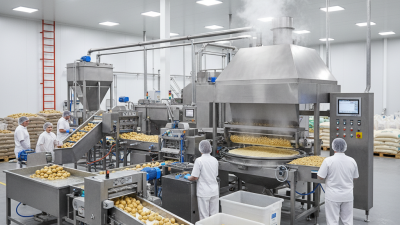
The food processing industry is continuously seeking ways to enhance efficiency and quality in production. One innovative solution is the Automatic Steam Peeler. This technology simplifies the peeling process, significantly reducing labor costs and time. By utilizing steam, it effectively loosens the skin of various fruits and vegetables, ensuring minimal waste.
Automatic Steam Peelers offer an efficient method to meet increasing consumer demands. They not only improve processing speed but also maintain the quality of the produce. Quick automation can lead to a better overall output, but operators must be trained effectively. Understanding machine settings is crucial for optimal operation.
While Automatic Steam Peelers present numerous advantages, challenges remain. Maintenance and troubleshooting require skilled technicians. Additionally, some produce may not yield perfect results every time. Adopting this technology demands careful evaluation and ongoing improvements to achieve desired outcomes.
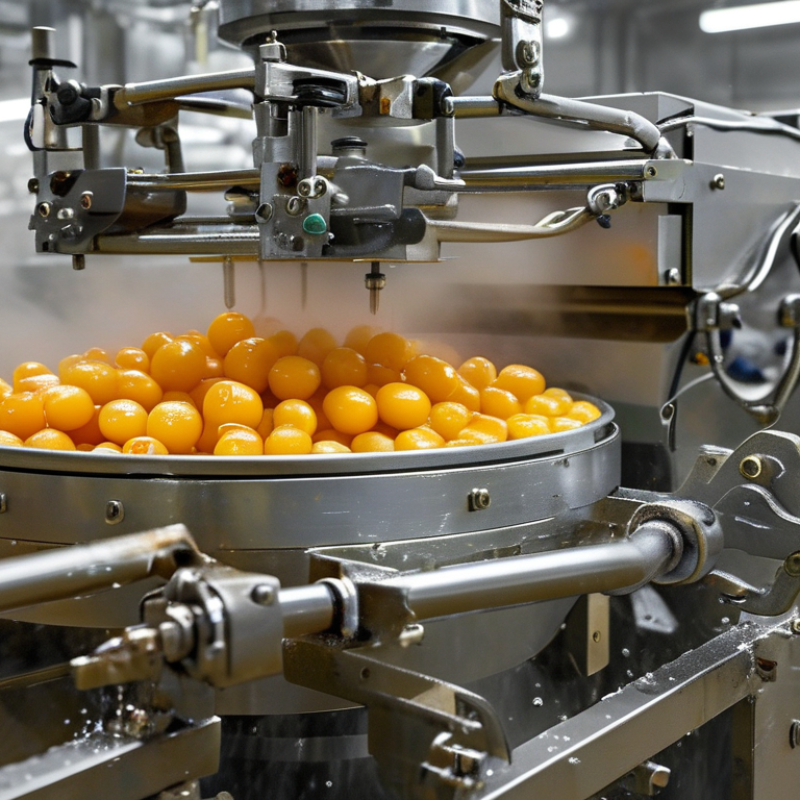
Overview of Automatic Steam Peeler Technology in Food Processing
The automatic steam peeler technology is transforming food processing. This method utilizes high-temperature steam to effectively remove peels from vegetables and fruits. It's not just efficient; it preserves the quality of the produce. Maintaining taste and nutrients is crucial in food processing.
Tips: Always ensure proper steam pressure to achieve optimal results. Regular maintenance of equipment can prevent inefficiencies.
Using steam instead of mechanical processes reduces damage to delicate skins. This can lead to less waste in production. However, not every type of produce is ideal for steam peeling. It’s necessary to consider the specific characteristics of each fruit and vegetable. Testing may be required to find the best methods.
Tips: Monitor results closely during initial trials. Adjust technique based on feedback from staff and the quality of the product.
Overall, automatic steam peeler technology simplifies the peeling process. It enhances productivity while responding to consumer demands. Exploring new technologies can unveil hidden potential in food processing operations. Adapting and refining techniques over time is vital for growth in this competitive industry.
Benefits of Using Automatic Steam Peelers for Food Efficiency
Automatic steam peelers are transforming the food processing industry. These machines utilize steam to effectively remove the skin from fruits and vegetables, simplifying preparation processes. According to industry data, steam peelers can reduce peeling time by up to 40%, making food processing more efficient. This translates to less labor and higher output within the same time frame.
The benefits extend beyond efficiency. Automatic steam peelers preserve the nutritional value of the food. Traditional peeling methods often result in nutrient loss. By minimizing waste, businesses can achieve better product yields. A study by food processing experts reports that operational costs can be cut by 25% when adopting steam peeling technology.
However, some food processors report initial concerns about the equipment's integration into existing lines. The learning curve can present challenges, but the long-term benefits are clear. Finding the right balance between automation and manual processes requires careful consideration. The potential for increased efficiency is significant, but it is essential to assess equipment reliability regularly to ensure optimal performance.
Automatic Steam Peeler Solutions for Efficient Food Processing
| Dimension |
Data |
| Efficiency Improvement (%) |
30% |
| Labor Cost Reduction (%) |
25% |
| Peeling Time Reduction (%) |
40% |
| Waste Reduction (%) |
20% |
| Quality Improvement Rating (out of 10) |
9 |
| Energy Efficiency (kWh per ton) |
150 |
Key Components and Mechanisms of Steam Peeling Machines
Steam peeling machines have revolutionized food processing. These machines employ steam as a gentle heat source to weaken the bond between skin and flesh of fruits and vegetables. When using steam, the temperature can reach up to 100°C. This process minimizes damage while effectively removing peels. According to industry reports, steam peeling can achieve over 90% efficiency in skin removal, which significantly reduces labor costs.
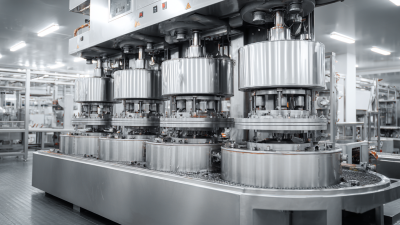
The core components of steam peeling machines include a steam generator, peeling chamber, and a cooling system. The steam generator converts water to steam and ensures consistent temperature control. The peeling chamber is designed for optimal circulation, allowing steam to reach all surfaces. Cooling systems help bring down the temperature swiftly, which prevents cooking the product. Yet, not all machines deliver the same results—variations in design can lead to inefficiencies. Some models may not fully utilize steam, resulting in inconsistent peeling rates.
Moreover, the operational complexity can lead to maintenance challenges. Regular cleaning of the steam nozzles is critical to prevent blockages. A lack of thorough maintenance may lower peeling efficiency. Reports indicate that poor maintenance can decrease output by as much as 15%. Thus, understanding machine mechanics plays a vital role in maximizing productivity in food processing.
Automatic Steam Peeler Efficiency in Food Processing
Comparison of Automatic Steam Peeling with Traditional Methods
The traditional method of peeling vegetables and fruits often involves manual labor. Workers use knives to remove skins, which can lead to inconsistencies. This method requires skill and experience, but it is time-consuming. The quality of peeling varies significantly, often leading to product loss and waste. Manual peeling can also pose hygiene risks if not done correctly.
Automatic steam peeling offers a modern alternative. It uses high-pressure steam to loosen the skin, allowing for quicker processing times. This method reduces labor costs and minimizes the risk of injury. However, the technology may not fit all products equally. Some delicate fruits may sustain damage from high temperatures, which requires careful consideration. Additionally, initial equipment costs can be a barrier for small businesses.
While automatic steam peeling is efficient, it is not a one-size-fits-all solution. Each method has its merits and drawbacks, depending on the type of food and desired quality. Evaluating the specific needs of a food processing operation is crucial. An integrated approach, blending both methods, may yield the best results for different products.
Future Trends in Automatic Steam Peeler Solutions for the Industry
The future of automatic steam peeler solutions in food processing appears promising. According to industry reports, the demand for efficient peeling technologies is expected to grow by 7.5% annually over the next five years. This trend highlights the need for faster, cost-effective peeling processes in large-scale production.
In addition to productivity, maintaining product quality remains a challenge. Many processors face difficulties in achieving consistent results. Variability in raw materials can lead to uneven peeling outcomes. Solutions that utilize advanced sensor technology can mitigate these issues. They will likely play a crucial role in ensuring quality control.
Tips: When selecting a steam peeler, consider its energy consumption. An energy-efficient model can reduce operational costs significantly. Don't overlook the importance of maintenance. Regular checks can prevent unexpected downtime. As the industry evolves, keeping an eye on emerging technologies is vital. They could redefine efficiency standards, ultimately transforming food processing.