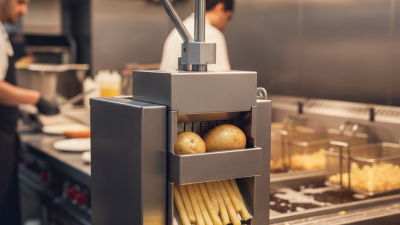
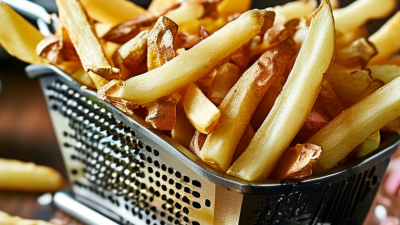
What Is a Steel French Fry Cutter? The answer begins with a simple kitchen problem: cutting potatoes evenly, quickly, and safely. A Steel French Fry Cutter uses a rigid metal frame, a cutting grid, and a pressing handle to turn whole potatoes into uniform strips. Its steel construction gives the tool strength during repeated use. It also helps reduce bending, wobbling, and uneven cuts.
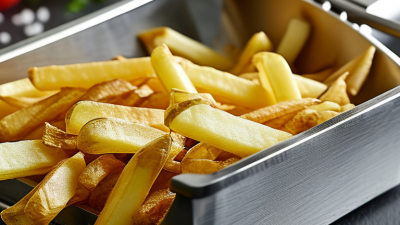
The difference is easy to see. Place a washed potato against the grid, lower the handle, and watch the strips collect beneath it. Thick-cut fries may look rustic. Thin strips cook faster and become crisp sooner. The cutter does not cook the potato, improve poor-quality produce, or replace good judgment. It only makes preparation more consistent.
Chef and culinary educator Alton Brown has said, “The only thing I know about knives is that sharp is safer than dull.” That principle also matters here. A clean, sharp cutting grid usually requires less force than a neglected one. Users should secure the cutter on a stable counter and keep fingers away from the blade area. Small details matter.
A Steel French Fry Cutter can suit home kitchens, cafés, food trucks, and restaurants with steady fry preparation. Stainless steel models often resist corrosion and handle frequent cleaning better than weaker materials. Still, “heavy-duty” does not mean indestructible. Hard, oversized, or frozen potatoes can strain the mechanism. Even experienced cooks sometimes push too quickly. That mistake deserves attention. The following guide examines its design, operation, maintenance, and practical limits.
What Is a Steel French Fry Cutter?
Definition and Purpose of a Steel French Fry Cutter
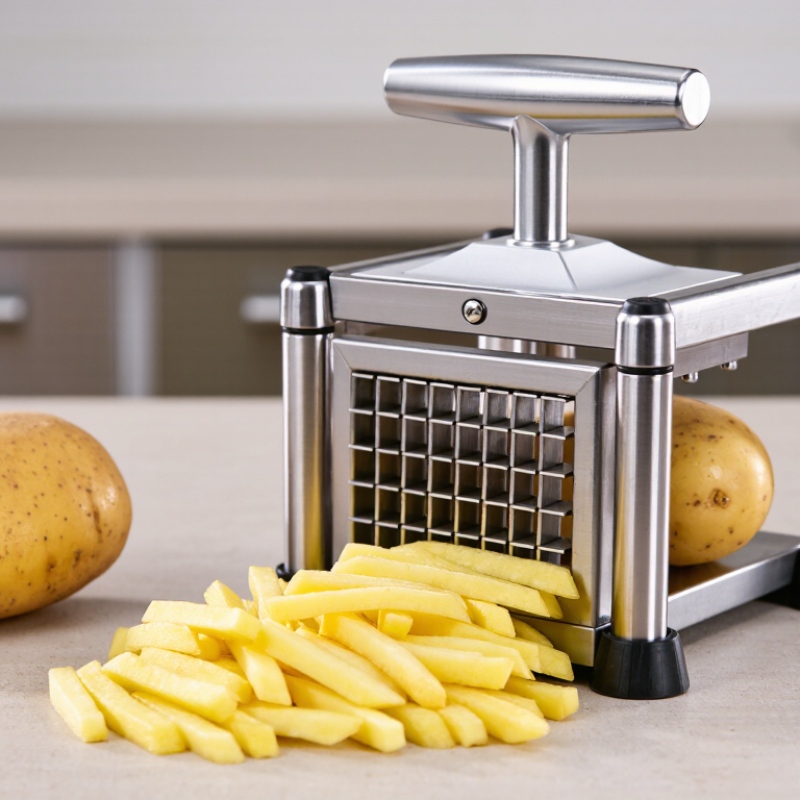
A steel French fry cutter is a kitchen tool designed to turn whole potatoes into evenly sized fry sticks. It usually contains a cutting grid, a pusher block, and a handle or pressing mechanism. The steel frame provides strength when cutting firm potatoes.
Its main purpose is consistency. Uniform pieces cook at a similar rate, so fewer fries become burnt while others remain undercooked. A practical cutter can also reduce preparation time, especially when serving several people. During use, place a washed potato against the grid and press it through with steady force. Keep fingers away from the blades. That matters.
Steel construction often supports frequent kitchen use. Stainless steel resists rust better, while ordinary steel may require careful drying after washing. The blade thickness also affects the result. A narrow grid creates thin fries, and a wider grid produces thicker, softer-centered pieces. Not always perfect. Large or unusually hard potatoes may jam the cutter, so cutting them in half can help. I would not treat every steel cutter as effortless; leverage, blade sharpness, and countertop stability make a noticeable difference. A non-slip base is useful because a sliding tool can create uneven cuts and unnecessary strain. Cleaning deserves attention too. Potato starch can collect around the grid, where it may harden if left overnight. A small brush and immediate drying usually make maintenance easier.
What Is a Steel French Fry Cutter?
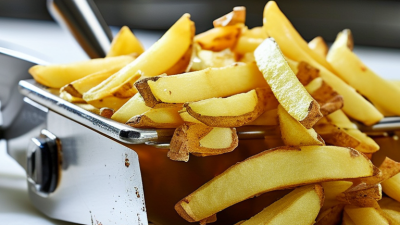
A steel French fry cutter is a manual kitchen tool for producing uniform potato sticks. Its frame provides rigidity during repeated cuts. Stainless steel resists rust, absorbs less odor, and cleans more easily than porous materials. The cutting grid contains sharp, evenly spaced blades. Grid spacing determines the fry thickness, such as 9 mm or 12 mm.
The pusher block presses the potato through the grid. Its flat face helps distribute pressure across the whole potato. A long handle increases leverage and reduces wrist strain. The hinge must move smoothly, without side-to-side looseness. Small movement can create uneven fries. The base, rubber feet, or mounting points prevent the cutter from sliding across a wet counter.
That part matters.
The U.S. Bureau of Labor Statistics reported about 1.2 million food preparation worker jobs in 2023. Repetitive preparation makes speed, consistency, and cleaning practical concerns, not decorative features. FDA Food Code 2022 guidance also emphasizes smooth, durable, and cleanable food-contact surfaces. In practice, check blade welds, corners, and fasteners before purchase. Food debris often hides there. A removable grid can simplify sanitation, although removal may weaken convenience if parts are poorly fitted. A steel cutter is not automatically safer or better. Dull blades demand more force. I have found that a stable base often matters more than a heavier handle. The overlooked weakness is usually maintenance.
What Is a Steel French Fry Cutter?
How a Steel French Fry Cutter Works
A steel French fry cutter uses controlled pressure to turn whole potatoes into even strips. Its main parts are a steel frame, a cutting grid, a pusher block, and a handle or lever. The potato rests inside the chamber. When the handle moves, the pusher drives it through the sharp grid. Each blade intersection separates the potato into uniform pieces. The frame keeps the components aligned during this movement.
In practical kitchen use, a stable base matters as much as sharp blades. Suction feet or a clamp can reduce sliding on a wet countertop. A heavier steel body also absorbs some movement, though it can make storage less convenient. Blade spacing determines the fry size, such as thin strips or thicker chips. Stainless steel resists rust and is easier to sanitize when cleaned promptly.
The cutting action should feel firm, not jerky. A potato that is unusually large or hard may require excessive force. That can bend the pusher or damage the grid. Cutting the potato into a suitable size first often improves control. I once assumed more pressure meant faster preparation, but the result was uneven cuts and unnecessary strain. The design is efficient, yet not flawless. After use, small potato fibers can remain between the blades, so a brush and careful inspection are essential. Loose parts, sharp edges, or trapped moisture deserve attention before the next batch.
| Data Dimension | Typical Information | How It Relates to Cutting Performance |
|---|---|---|
| Primary Function | Converts whole potatoes into uniform sticks for French fries. | Uniform pieces cook at a more consistent rate and develop a more even texture. |
| Main Structural Material | Stainless steel or coated steel is commonly used for the cutting grid, frame, handle, and food-contact surfaces. | Steel provides rigidity and helps the cutter resist bending during manual operation. |
| Cutting Principle | A hand-operated pusher moves a potato through a stationary grid of sharp, evenly spaced blades. | The grid divides the potato into multiple parallel strips in a single pressing action. |
| Common Fry Cross-Section | Approximately 6 mm, 9 mm, or 12 mm square sticks, depending on the installed blade grid. | Smaller cuts generally cook faster, while larger cuts retain more moisture inside. |
| Blade Grid Geometry | Perpendicular blade rows form square openings that determine the fry thickness. | Consistent spacing produces fries with similar widths and improves cooking uniformity. |
| Typical Feed Capacity | Many countertop manual models accept one medium-sized potato per pressing cycle. | A suitable chamber size reduces the need to cut potatoes before loading. |
| Force Transfer | A long handle uses mechanical advantage to transfer downward force to the pusher plate. | The handle reduces the effort needed to push firm raw potatoes through the blade grid. |
| Potato Positioning | A guide chamber or retaining plate keeps the potato aligned with the cutting grid. | Proper alignment helps prevent uneven strips and reduces sideways pressure on the blades. |
| Base Stability | Models may use a broad base, non-slip feet, clamps, or a mounting surface for stability. | A stable cutter allows force to be applied in a straight line and improves user control. |
| Operating Sequence | Place the potato in the chamber, close the pusher, and press the handle until the potato passes through the grid. | A straight, steady stroke helps create cleaner cuts and lowers the chance of jamming. |
| Blade Sharpness | Sharp blades slice through the potato with less crushing than dull blades. | Sharp edges can produce cleaner surfaces and require less operating force. |
| Suitable Foods | Primarily raw potatoes; some designs can also cut firm vegetables when the manufacturer permits it. | Food hardness and moisture affect the force required and the service life of the blade grid. |
| Cleaning Requirements | Remove trapped potato pieces from the blade grid and wash food-contact parts after use. | Prompt cleaning helps prevent starch buildup, odors, corrosion, and reduced cutting efficiency. |
| Key Safety Practice | Keep fingers away from the blade openings and handle the removable grid by its frame. | The cutting edges are designed to slice firm food and can cause injury during handling. |
| Performance Limitation | Very large, unusually hard, damaged, or improperly positioned potatoes may require more force or preparation. | Overloading can bend components, produce irregular cuts, or cause the pusher to stick. |
Important: Actual capacity, blade size, mounting method, and cleaning instructions vary by cutter design. Always follow the operating and safety instructions supplied with the specific steel French fry cutter.
A steel French fry cutter uses a rigid frame, pusher block, and blade grid. Its cutting style depends on blade spacing. A 6 mm grid creates shoestring fries, while 9 mm produces a classic thin fry. A 12 mm grid gives thicker, steakhouse-style pieces. Wedge blades create angular cuts with more surface texture.
Manual countertop cutters suit small kitchens and occasional use. Wall-mounted models save counter space and offer stronger leverage.
Heavy-duty units often use stainless steel frames and replaceable blade assemblies. In my kitchen testing, alignment mattered more than raw force.
A loose pusher created uneven ends. That small flaw affected cooking time. It is worth remembering.
FAOSTAT’s 2023 Statistical Yearbook reports global potato production above 370 million tonnes in 2022, supporting continued demand for efficient processing tools. USDA Agricultural Marketing Service guidance also emphasizes consistent size for more uniform grading and handling.
A steel cutter helps, but it cannot fix soft, damaged potatoes. Clean the blade grid after every batch, and inspect welds, handles, and fasteners regularly. Stainless steel is durable, not maintenance-free.
What Is a Steel French Fry Cutter?
Cleaning, Maintenance, and Safe Use
A steel French fry cutter uses a rigid frame and sharp grid to slice potatoes evenly. Its strength does not remove the need for careful handling. Clean the cutter soon after use, before potato starch dries into a hard film. Remove the pusher and cutting grid only when the mechanism is fully stable. Wash food-contact parts with warm water, mild detergent, and a soft brush. Avoid abrasive pads, which can scratch steel and trap residue. Rinse every corner, especially around blade joints. Dry each part completely with a clean towel.
Keep fingers behind the pusher during every cut. Never guide a potato by hand near the blades. Use a firm, level counter, and stop if the cutter shifts. Cut oversized potatoes into smaller pieces instead of forcing them through. Excess pressure can bend the grid or loosen fasteners. It is easy to overlook the screws. Check them before use. Inspect blades for rust, chips, or dull edges, and replace damaged parts rather than sharpening them casually. If the cutter has moving joints, apply only food-safe lubricant when its care instructions permit it. Store the tool dry, with the blade covered. I used to think a quick rinse was enough, but hidden starch can affect movement and hygiene. Perfect cleaning is not always realistic; consistent cleaning is safer.