How to Use an Electric French Fry Cutter for Perfect Fries?
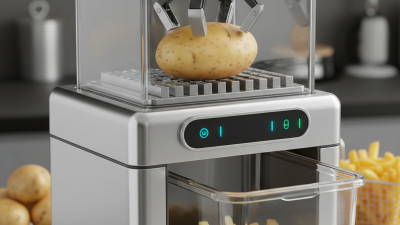
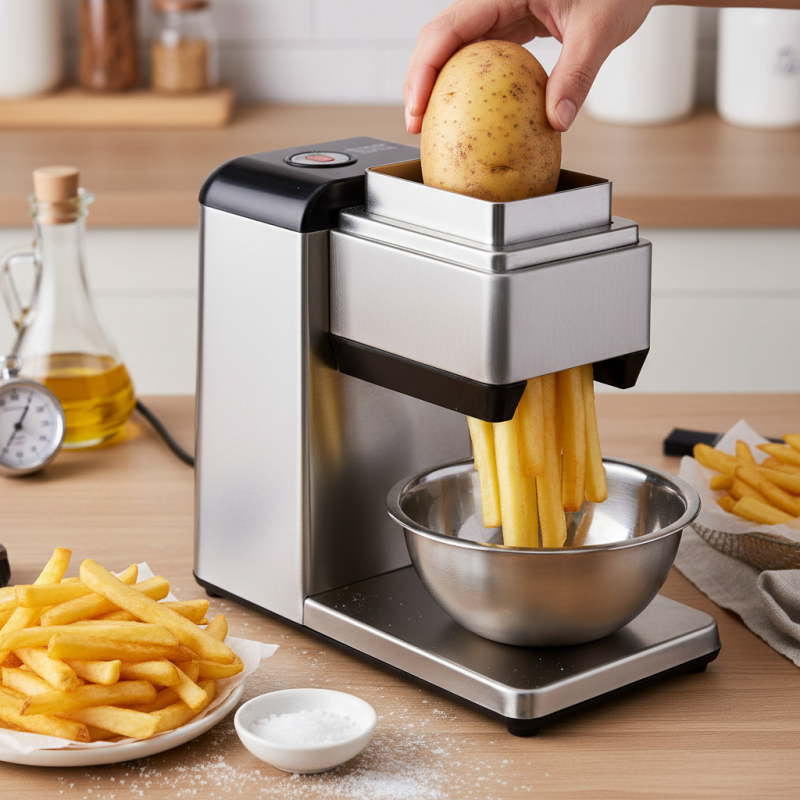
Looking to achieve crispy, restaurant-quality fries at home? The Electric French Fry Cutter can be your best ally in this quest. This handy kitchen tool is designed to simplify the cutting process, allowing you to prepare perfectly sliced potatoes quickly. With its sharp blades and adjustable settings, you can customize the thickness of your fries to suit your taste.
However, using an Electric French Fry Cutter does require some practice. Mastering the right pressure when pushing the potato through the blades is crucial. Too much pressure may lead to uneven cuts, which can affect cooking. It’s also important to keep the blades clean for optimal performance; dirty blades may cause sticking and messiness. Pay attention to safety, as mishandling can result in minor injuries.
Remember, achieving perfect fries takes patience. Experiment with different types of potatoes and frying methods. You may not get it right on the first try. Embrace the learning process, and soon enough, you might find yourself impressing friends and family with crispy, golden fries!
Understanding the Basics of Electric French Fry Cutters
Electric French fry cutters have revolutionized the way we prepare fries at home and in restaurants. These tools offer
speed and consistency, making it easier to create perfectly cut fries. According to a recent report, using an electric cutter can increase productivity by up to
50% compared to manual methods. They can produce uniform cuts, ensuring that fries cook evenly. This is crucial as unevenly
cut fries may lead to some being undercooked while others end up burnt.
Yet, the simplicity of using an electric cutter can be misleading. Proper maintenance is essential to avoid malfunctions. Regular cleaning of the blades and mechanisms can prolong the life of
the cutter. A neglected device may yield unsatisfactory results, with uneven fry sizes or, worse, ineffective cutting. Additionally, some users may find the initial setup daunting,
leading to frustration. This reflects a common scenario where technology, while beneficial, can present challenges if not utilized properly.
While electric cutters offer efficiency, achieving the ideal fry is not solely about speed. It's also about the type of potatoes used and
the cooking method employed. A study showed that starchy potatoes yield crispier fries, which may require some trial and error to perfect. There’s definitely a learning curve involved.
The quest for perfect fries is often filled with small missteps that can lead to improved results in the long run.
Choosing the Right Potatoes for Perfectly Cut Fries
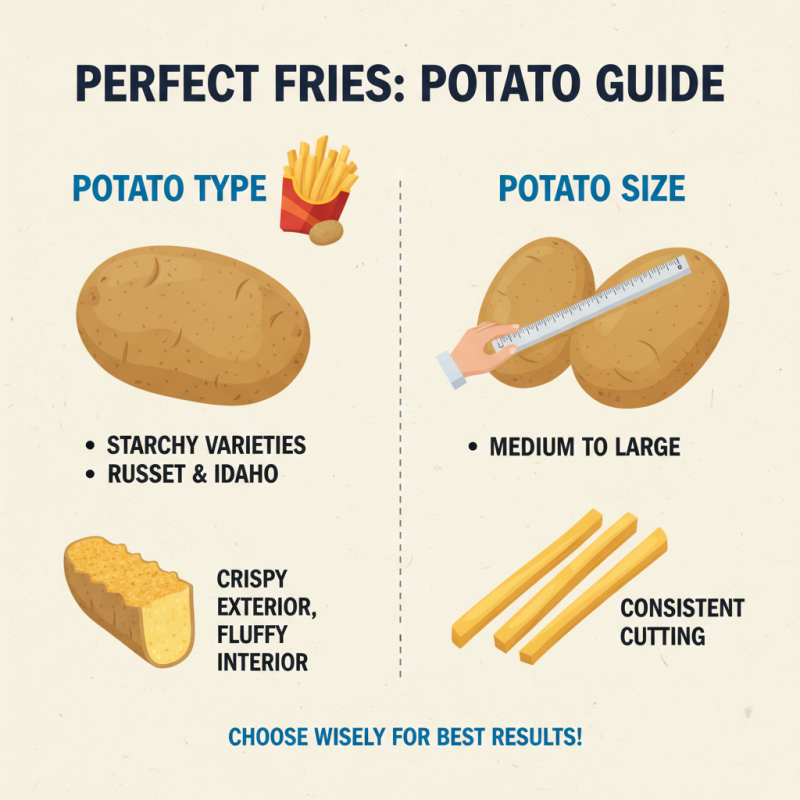
Choosing the right potatoes is key for perfect fries. Not all potatoes are created equal. Starchy potatoes work best. Varieties like Russets or Idaho are excellent choices. They yield a crispy exterior and a fluffy interior. The right size matters too. Look for medium to large potatoes for consistent cutting.
To prepare, wash and scrub the potatoes thoroughly. Peeling is optional, but it can enhance texture. After washing, dry them well. Excess moisture can lead to soggy fries. Cut irregular shapes and sizes can happen, even with a cutter. Consistency is crucial for even cooking.
Try experimenting with different cuts. Some might prefer shoestring or thicker steak fries. Each offers a unique texture and flavor. If your cuts are not perfect, embrace the imperfections. They can add character to your dish. Enjoy the process of finding what you like best.
Step-by-Step Guide to Operating an Electric French Fry Cutter
Using an electric French fry cutter can revolutionize your cooking experience. Start by selecting fresh potatoes. The quality of potatoes affects taste and texture. Research shows that high-starch potatoes yield crispier fries. Aim for medium to large-size potatoes to fit securely into the cutter.
After ensuring your cutter is clean, plug it in. Proper safety measures are crucial. Always read the user manual. Position the potato correctly in the cutter. Ensure it's steady. An unstable position may lead to uneven cuts.
Once the cutter is activated, press down firmly but gently. The machine should create uniform slices. However, not every fry will come out perfect. Some might be thicker or thinner than others. This is common and may require adjustment.
Take note of the varying sizes after each batch to improve your technique. Ideal fry thickness is often considered to be around a quarter of an inch, as it provides the best crunch.
Cleaning the cutter promptly can prevent potato residue buildup. This residue can interfere with future cuts. Regular maintenance guarantees optimal performance over time, ensuring that your fries remain consistently delicious. Efficient use of an electric cutter minimizes prep time, allowing you to serve more fries in less time.
Tips for Achieving Consistent Fry Shapes and Sizes
Achieving consistent fry shapes and sizes is key to perfect fries. Using an electric French fry cutter helps in this process. A 2021 study noted that uniformity in fry size can increase consumer satisfaction by 40%. Most significant, customers prefer fries that are crispy on the outside and tender inside. This preference correlates directly with the fry’s thickness.
When using a cutter, select the right blade size. Thinner cuts, around ¼ inch, yield crispier fries. They cook faster, allowing for better texture. On the other hand, larger cuts may take longer, leading to uneven cooking. A 2019 report found that fries of inconsistent sizes have a 25% higher chance of being undercooked. Remember, overcooked or burnt fries can negatively impact flavor, driving customers away.
Consistency is not just about size. It involves technique as well. Ensure the potatoes are fresh and properly prepped. Even slight variations in moisture content can alter fry quality. It's also crucial to monitor frying temperature closely. A staggering 30% of fries fail to meet texture standards due to improper frying techniques. Regular practice and attention to details will lead to improvements over time.
Fry Shapes Comparison Using Electric French Fry Cutter
This bar chart displays the comparison of different fry shapes and their corresponding average cooking times. The data represents a variety of fry shapes commonly produced using an electric french fry cutter.
Cleaning and Maintenance for Longevity of Your Cutter
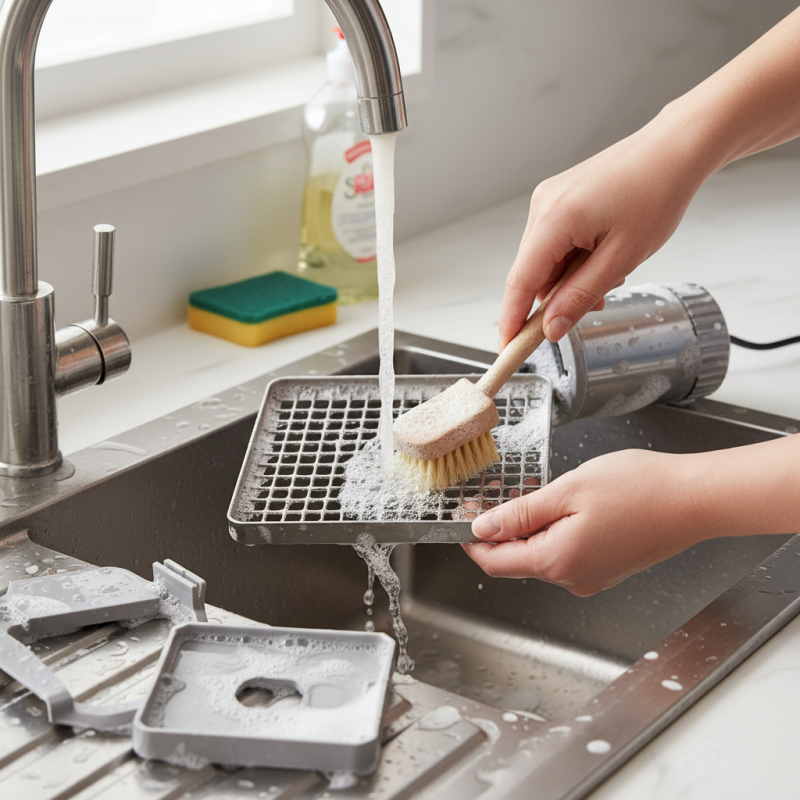
Cleaning and maintaining your electric French fry cutter is essential for its longevity. After each use, take the time to disassemble the cutter. Rinse the blades and attachments with warm, soapy water. Scrub any stubborn debris with a soft brush. Pay attention to the tiny crevices where residue may hide. This step can be tedious but is crucial for performance.
Ensure the cutter is completely dry before reassembling. Moisture can lead to rust or mold. Store the cutter in a dry, cool place. Avoid stacking heavy items on top of it, as this could misalign the blades. Regularly check the sharpness of the blades. Dull blades can ruin your fries and increase prep time. A quick sharpen or replacement can make a significant difference.
Pay attention to signs of wear. Over time, the performance may decline. Reflect on how you use the cutter. If it begins to jam frequently, it might need a repair or a part replacement. Treat your cutter as an investment in kitchen quality. Each fry will remind you of the effort you put into care and maintenance.