Top 5 Potato Chips Packing Machines You Should Know?
The snack industry has seen exponential growth in recent years. According to a report by Grand View Research, the global potato chips market size was valued at approximately $30 billion in 2020 and is expected to expand at a CAGR of 3.5% from 2021 to 2028. This growth highlights the increasing demand for efficient packaging solutions, particularly for potato products. The Potato Chips Packing Machine is crucial for maintaining product freshness and extending shelf life.
Efficient packaging is essential in optimizing distribution and minimizing waste. A well-designed Potato Chips Packing Machine can significantly reduce packaging costs. It ensures that chips remain intact and free from contamination, which is a common challenge in the industry. However, not all machines are created equal. Companies often overlook the adaptability and speed of these machines, which can lead to operational bottlenecks.
Investing in the right packaging technology is vital. Companies must balance quality and efficiency. By choosing the appropriate Potato Chips Packing Machine, manufacturers can enhance productivity and compete effectively in the market. Yet, many still rely on outdated equipment. This oversight can hinder growth and innovation, leaving room for improvement in packaging strategies.
Types of Potato Chips Packing Machines Available in the Market
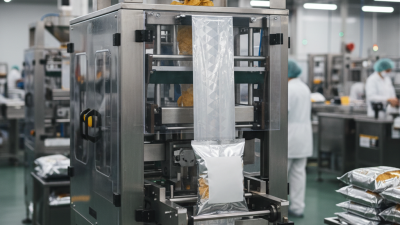
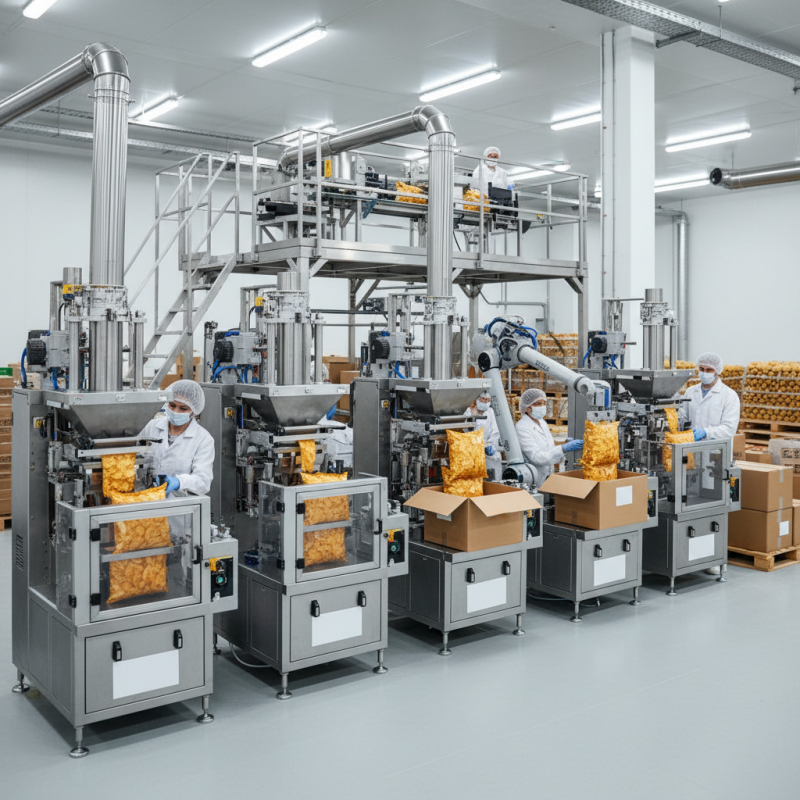
When it comes to packaging potato chips, several machine types stand out. Each type caters to different production needs and speeds. Vertical form-fill-seal machines are popular for their efficiency. They can produce up to 100 bags per minute. This type is ideal for small to medium-sized manufacturers.
Another key player is the horizontal flow wrapper. It provides excellent sealing and ensures the freshness of the chips. These machines can handle various chip sizes, making them versatile. The market research report from Smithers Pira noted that demand in the snack packaging sector is growing, driven by consumer preference for convenience.
***Tips:*** Investing in a good machine can cut costs in the long run. Consider automation for higher volumes. However, it's crucial to evaluate ongoing maintenance costs.
A newer option is the robotic packing system. It offers precision and flexibility, adapting to various packaging styles. Though these systems can be pricey, they may improve productivity significantly. Balancing initial investment against long-term gains is important.
Lastly, some companies still use manual packing due to budget constraints. While this approach saves money, it may lead to inconsistency in the packaging process. Constant reflection on production efficiency can help identify areas for improvement.
Top 5 Potato Chips Packing Machines You Should Know
Key Features to Consider When Choosing a Packing Machine
When selecting a potato chips packing machine, several key features are crucial. One important aspect is speed. The machine needs to pack chips quickly without compromising quality. High-speed machines can boost productivity, yet they may pose a risk of mistakes. Accuracy is vital too. Misalignment can lead to waste and deter customers. A packing machine should provide precision in every bag sealed.
Another factor to consider is flexibility. Machines that can handle different bag sizes and materials are beneficial. This versatility allows manufacturers to adapt to market demands. However, not all machines excel in every area. Some may struggle with particular materials, leading to downtime. Maintenance is also essential. Regular upkeep ensures longevity, but it can be overlooked in busy operations.
User-friendliness is essential as well. Even the best machines can cause frustration if they are complex. Training staff may be time-consuming. Machines that are intuitive can save time initially and in the long run. It's important to weigh these features against each other. Finding the right balance may require adjustments and patience. Balancing efficiency and quality is key for success in the packing process.
Top 5 Potato Chips Packing Machines You Should Know?
| Machine Model |
Speed (Bags/min) |
Bag Size (mm) |
Power (kW) |
Weight (kg) |
Features |
| Model A |
50 |
250 - 400 |
1.5 |
200 |
Automatic, user-friendly interface |
| Model B |
60 |
200 - 350 |
2.0 |
250 |
Multi-format compatible, high accuracy |
| Model C |
45 |
180 - 300 |
1.8 |
180 |
Compact design, energy-efficient |
| Model D |
55 |
250 - 450 |
2.5 |
220 |
Easy maintenance, advanced technology |
| Model E |
70 |
200 - 400 |
2.2 |
300 |
High-speed operation, intuitive controls |
Cost Comparison of Different Potato Chips Packing Machines
When considering potato chips packing machines, cost is a crucial factor. Different models have varying price ranges depending on features and capabilities. Basic machines offer simplicity and efficiency at a lower cost. These are accessible for small-scale operations. However, they may lack advanced functions.
Mid-range machines typically include automated features. They can significantly increase production rates. These models might cost more, but offer better reliability. Many companies find them a worthwhile investment for larger batches. Yet, some users report initial complexities. They suggest understanding all features before purchase.
High-end machines offer comprehensive automation and advanced technology. They come with price tags to match, often demanding large capital outlay. These features could ultimately reduce labor costs. Still, potential buyers hesitate, fearing long-term commitments. Their effectiveness depends heavily on the specific production needs. Consider all aspects carefully before deciding.