What is a Small Scale Potato Chips Machine and How to Choose One?
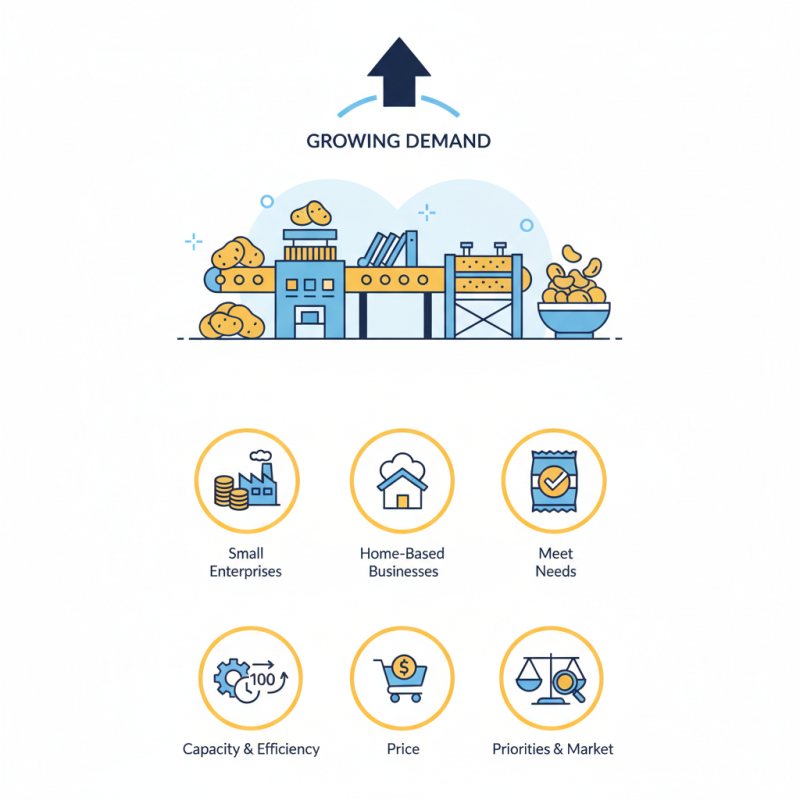
In recent years, the demand for crispy potato chips has surged. Many entrepreneurs see this as a business opportunity. A Small Scale Potato Chips Machine can meet this need effectively. This machine allows for easier production, even in small quantities. It is perfect for home-based businesses or small enterprises.
Choosing the right machine is crucial. Factors like capacity, efficiency, and price play a significant role. Some machines require more power, while others are portable. Entrepreneurs often feel overwhelmed by options. They want a machine that meets their specific needs without breaking the bank.
However, potential buyers must reflect on their priorities. Will they prioritize speed or quality? Balancing both can be challenging. Understanding the market is essential before making a purchase. Ultimately, a Small Scale Potato Chips Machine can be a valuable asset, shaping the future of a budding snack business.
What is a Small Scale Potato Chips Machine?
A small-scale potato chips machine is designed for producing snacks in smaller quantities. Ideal for small businesses or home use, it typically needs less space. Moreover, these machines are often less expensive than larger counterparts. They can transform fresh potatoes into crispy chips, offering a fun way to explore food processing.
When selecting a small-scale potato chips machine, consider its capacity. Some machines handle a few kilograms of potatoes per hour, while others can do more. The size of the machine is important. You should ensure it fits your kitchen or workspace. Additionally, check the energy consumption. Energy-efficient models can save money in the long run.
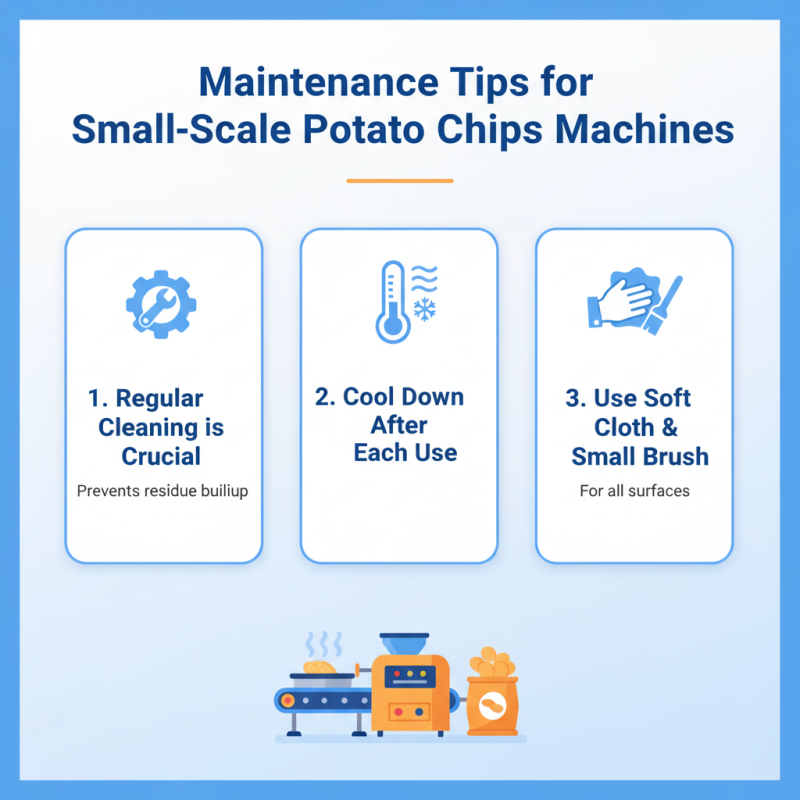
Think about the ease of cleaning, too. Machines with complex parts could be challenging to maintain. Simple designs can lead to better hygiene. Moreover, look for reliable customer support. Sturdiness matters, as cheaper models may break down easily. Ultimately, weighing durability against cost is crucial for long-term satisfaction. Making the right choice requires careful consideration and occasional reassessment of needs.
Key Features of Small Scale Potato Chips Machines
When considering a small scale potato chips machine, key features are crucial. These machines should have a reliable cutting mechanism. Consistent chip thickness is vital for uniform frying. Reports indicate that thicker chips retain more moisture, leading to a softer texture, while thinner ones are crisper. A machine with adjustable settings is beneficial for achieving the desired thickness.
Frying efficiency cannot be overlooked. Energy consumption varies widely among machines. Some models may use advanced heating technologies that reduce cooking times. Efficient machines can save up to 30% on energy costs compared to traditional fryers. Also, equipment with built-in filtration systems enhances oil life, reducing the need for frequent oil changes.
Ease of cleaning is often underrated. Machines should have removable parts, enabling quick and thorough cleaning. Studies show that neglected equipment can lead to higher contamination levels. Regular maintenance is essential. Counter-intuitively, simpler machines may be easier to maintain than those with complex features. Reflecting on these factors can help in making an informed choice.
Factors to Consider When Choosing a Potato Chips Machine
When selecting a small scale potato chips machine, several critical factors come into play.
The capacity of the machine is essential. For instance, a unit that processes 100 kg of potatoes can produce about 20-25 kg of finished product per batch.
This capacity influences your production planning and potential profits.
Efficiency is also a key consideration. Many top models achieve over 90% efficiency in oil usage, which can significantly reduce operational costs.
Another important factor is the machine's durability.
Look for materials like stainless steel, which resist corrosion and wear.
This can extend the life of the equipment and reduce maintenance costs.
Industry reports indicate that a well-maintained machine can last seven to ten years, depending on usage.
It's worth noting that some users have experienced unexpected breakdowns, leading to costly downtimes.
Additionally, the size and layout of your production area should be evaluated.
A compact machine might fit your space better, yet it may limit production volume. Balancing size with capacity can challenge operators.
Finally, user-friendliness is crucial.
Machines that are hard to operate can lead to mistakes and waste.
Simplified controls can make a significant difference in daily operations.
Types of Small Scale Potato Chips Machines Available
When considering small scale potato chips machines, it’s essential to understand the types available. These machines vary in size and functionality. Some are manual, while others are fully automatic. Manual machines require more labor but can be more cost-effective. Automatic machines save time but may come with higher upfront costs.
The most common types include slicers, fryers, and de-oilers. Slicers come in various designs. Some can produce uniform chips, while others may create unique shapes. Fryers generally use oil to cook chips. They come in different capacities, catering to diverse production needs. De-oilers remove excess oil, ensuring healthier snacks.
Choosing the right machine involves examining your production goals. A smaller machine may be suitable for small businesses, but it could limit output. Conversely, a large machine could lead to higher expenses with maintenance. Reflecting on these factors can help avoid potential pitfalls in your investment, leading to better production efficiency.
Types of Small Scale Potato Chips Machines and Their Production Capacities