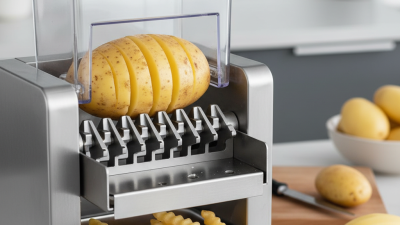
Choosing a reliable China Potato Chips Dryer Machine manufacturer requires more than comparing prices. Product quality depends on drying performance, material selection, engineering experience, and service support. A capable supplier should understand each stage, from blanching and frying to cooling and moisture control.
This guide examines how experienced Chinese manufacturers design and produce industrial drying equipment for potato chips. It considers stainless steel construction, adjustable conveyor speed, hot-air circulation, temperature accuracy, and energy efficiency. These details matter on a real production floor, where uneven drying can create soft chips, burnt edges, or unnecessary waste.
Factory evidence matters.
Buyers should request machine videos, technical drawings, test results, and references from comparable processing lines. Food-contact components should use suitable stainless steel, while electrical systems should meet the destination market’s requirements. A responsible manufacturer also explains cleaning access, maintenance intervals, spare parts, and operator training clearly.
No machine fits every factory perfectly. This is often overlooked. A dryer designed for thin chips may perform differently with thicker cuts or flavored products. Production capacity, local climate, humidity, and available power can also change the final result. Even experienced suppliers may need several adjustments before achieving stable moisture levels.
A trustworthy China manufacturer should welcome product testing before purchase. Sample trials can reveal drying uniformity, residence time, heat consumption, and final texture. Clear communication is equally important. The best supplier is not always the cheapest one, but the one offering measurable performance and dependable support.
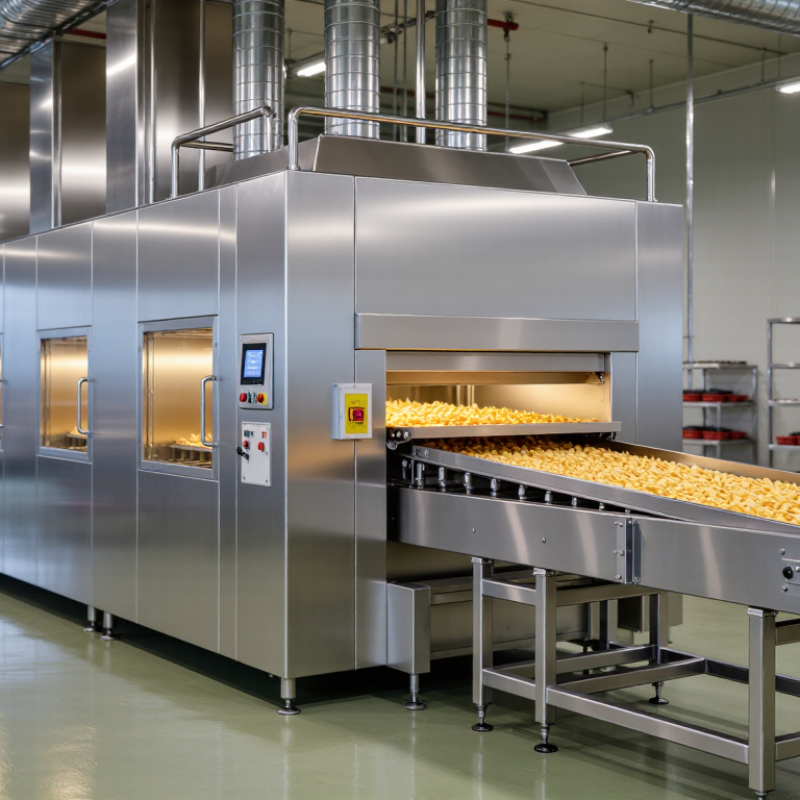
A potato chips dryer machine removes surface water from sliced potatoes before frying. It usually combines air knives, centrifugal spinning, or controlled hot air. The aim is simple: create a drier, more stable slice. USDA FoodData Central lists raw potato moisture at about 79.25 grams per 100 grams. Therefore, water control strongly affects frying time, oil uptake, and crispness.
The machine does not fully dehydrate the potato. It removes loose moisture after washing and cutting. FAOSTAT recorded roughly 374 million tonnes of global potato production in 2022. Such volume demands repeatable processing, not only high-speed equipment. In practical line testing, airflow, belt speed, slice thickness, and temperature must work together. Excessive drying can darken edges or create uneven texture. Insufficient drying may cause oil splashing and soft chips. This is where many specifications look impressive but feel incomplete.
Tips: Check moisture before frying, not only machine speed. Use stainless steel contact parts and easy-clean drainage. Record airflow, product weight, and fryer temperature during each trial. HACCP guidance in Codex CXC 1-1969 supports documented control points. A reliable manufacturer should provide test data, noise information, energy figures, and service access. Ask for samples using your actual potato variety. One setting rarely fits every season.
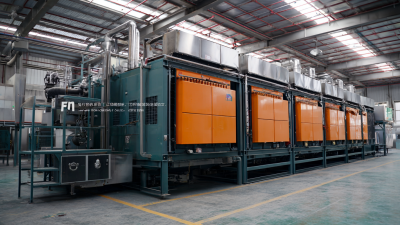
It starts with water. After slicing and washing, potato strips carry surface moisture into the production line. A potato chips dryer removes this water before frying. That matters. Excess moisture can cause oil splashing, uneven browning, and longer frying time. FAOSTAT reported approximately 374 million tonnes of potatoes produced worldwide in 2022, showing the scale behind this processing challenge.
Most industrial dryers use centrifugal force, vibration, or high-speed air. A dewatering unit first shakes or spins the slices. Then, adjustable air knives blow across the moving potato surface. Some systems add warm, filtered air through a perforated conveyor. The goal is controlled surface drying, not cooking. Operators usually adjust belt speed, airflow, and temperature according to slice thickness. A 2023 review in Foods linked moisture control and frying conditions with product texture and acrylamide formation. Therefore, excessive heat is not automatically better.
In practical factory testing, moisture should be checked at the dryer outlet, not guessed by appearance. Infrared sensors can help, but manual sampling remains useful. Real lines are less tidy. Potato varieties, washing time, and starch release change the result. A dryer that performs well today may need adjustment tomorrow. When evaluating a manufacturer, request airflow data, residence time, food-contact material certificates, and trial results using your own potato slices. Small details matter. The best equipment is not simply the hottest machine; it is the one that delivers repeatable moisture reduction with manageable energy use.
A high-quality potato chips dryer should remove surface moisture evenly without damaging the slice. In production trials, adjustable airflow often matters more than maximum heat. Excessive temperature can darken thin slices and create a dry, brittle texture. Controlled drying protects color, structure, and frying performance.
Look for a perforated stainless-steel conveyor with variable speed control. It lets operators match residence time with slice thickness and washing conditions. Independent temperature and airflow adjustment provides better control during changing batches. Useful machines include moisture-resistant electrical cabinets and accessible inspection panels. Cleaning should be practical, not theoretical. Smooth welds, removable guards, and limited product contact points reduce residue buildup. A reliable dryer also needs stable sensors, overload protection, and clear controls. These details support safer, repeatable operation.
Do not ignore energy use. Heat recovery or insulated drying chambers can reduce waste during long shifts. Noise levels matter too, especially near packing areas. A dryer may perform well during testing but struggle under continuous loading. Ask for capacity tests using your actual potato variety, slice size, and target moisture. No dryer is perfect. Small temperature differences can still affect the final chips. Operators should record batch results and adjust settings carefully. That honest feedback often improves performance more than a larger machine.
A high-quality continuous potato chips dryer uses controlled multi-zone heating and airflow. The representative profile below shows how drying-air temperature increases gradually while relative humidity decreases, supporting uniform moisture removal, consistent texture, and reduced risk of surface scorching.
China Best Potato Chips Dryer Machine Manufacturer?
Choosing the best potato chips dryer manufacturer requires more than comparing prices. Study the drying method, output capacity, and moisture targets. A reliable supplier should explain airflow speed, heating control, and drying time with test data. Ask for samples using your potato variety and slice thickness. Small differences can affect crispness, color, and oil absorption.
Check the machine’s food-contact materials carefully. Stainless steel construction, smooth welds, and accessible panels make daily cleaning safer and faster. Confirm the temperature range and control accuracy. Uneven heat may leave wet centers while darkening the edges. Energy consumption also matters, especially during long production shifts. Request actual operating figures, not only estimated savings.
I once underestimated the value of service support. That was a mistake. Ask whether technicians can guide installation, calibration, and operator training. Spare parts should be clearly listed, with realistic delivery times. Review the manufacturer’s factory, inspection records, and previous project experience. A serious supplier should welcome a production trial and explain limitations honestly. No dryer fits every factory perfectly. Your final choice should match your recipe, floor space, labor skills, and future capacity plans.
| Evaluation Dimension | What to Check | Why It Matters | Recommended Verification | Suggested Weight |
|---|---|---|---|---|
| Process suitability | Confirm whether the equipment is designed for surface-water removal from freshly washed potato slices, rather than moisture removal from finished chips. | The required process and equipment differ before frying and after frying. Surface dewatering can help reduce water carried into the fryer. | Ask for a process-flow diagram showing the washer, dewatering/drying stage, and fryer connection. | 15% |
| Capacity matching | Check the guaranteed throughput in kg/h against the actual upstream slicer and downstream fryer feed rate. | A mismatch can cause product accumulation, uneven residence time, or underused equipment. | Request a written capacity guarantee based on your slice dimensions, feed condition, and operating hours. | 15% |
| Product trial and results | Evaluate residual surface water, slice breakage, product carryover, and consistency across the belt width. | A machine’s performance should be assessed with the buyer’s product and operating conditions, not only with an empty-machine demonstration. | Run a witnessed test using representative potato slices; agree on the sampling method and acceptance criteria in advance. | 20% |
| Food-contact materials | Identify materials used on product-contact surfaces, including the belt, guides, and collection areas. Food-grade stainless steel such as 304 is commonly used; confirm suitability for the site’s cleaning conditions. | Material selection affects corrosion resistance, cleanability, and expected service life. | Request a material list and relevant material certificates for product-contact components. | 10% |
| Hygienic design and cleaning | Inspect access to belts, drain areas, guards, and product-contact zones; clarify whether cleaning is manual or supported by a washdown/CIP design. | Accessible surfaces and effective drainage support routine sanitation and reduce retained food debris. | Review cleaning instructions and inspect the machine during a cleaning demonstration. | 10% |
| Drying method and controls | Check whether the design uses vibration, air knives, ambient or heated air, or a combination; confirm adjustable belt speed and airflow where applicable. | The appropriate setup depends on the product and target surface-water removal. Excessive handling or heat may affect product quality or process consistency. | Request operating ranges and test the proposed settings with the intended slice thickness and line speed. | 10% |
| Energy and utilities | Obtain installed electrical load, air requirements, and expected energy use at the quoted production rate. | Utility demand affects installation planning and ongoing operating costs. | Compare documented kW and utility consumption under the same throughput and operating assumptions. | 5% |
| Controls and safety | Review emergency stops, guarding, electrical protection, control-panel documentation, and interfaces with adjacent equipment. | Safe operation and reliable integration are essential for production-line use. | Check the electrical drawings, operating manual, safety devices, and applicable requirements for the destination market. | 5% |
| Service and documentation | Confirm spare-parts availability, warranty terms, installation support, training, and the language of manuals. | Clear support arrangements can reduce commissioning delays and downtime. | Request a spare-parts list, service response terms, warranty coverage, and commissioning scope in writing. | 10% |
Potato chips drying equipment supports several stages, from post-washing surface drying to blanching moisture control. FAOSTAT reported global potato production above 370 million tonnes in 2022. That scale makes stable drying important for processors of every size. USDA FoodData Central lists raw potatoes at about 79.25 grams of water per 100 grams. Dryers must remove moisture evenly, not simply heat the product.
A reliable hot-air belt dryer should provide adjustable temperature, airflow, belt speed, and residence time. Operators can use it before frying to reduce surface water and limit oil splashing. Uneven drying creates pale slices, burnt edges, or inconsistent texture. This is not a perfect rule. Slice thickness, starch content, and blanching conditions still change the result. A qualified manufacturer should support airflow testing and moisture checks during commissioning.
Maintenance begins with daily cleaning of belts, trays, air ducts, and product-contact surfaces. Residue can block nozzles and create wet zones. Inspect bearings, belt tension, filters, and heating elements each week. Calibrate temperature and humidity sensors regularly. EFSA’s 2015 scientific opinion links high-temperature processing of starchy foods with acrylamide formation, so temperature control deserves close attention. A clean chamber is not proof of uniform drying. Operators should record inlet temperature, outlet moisture, belt speed, and downtime, then review those records when defects appear.