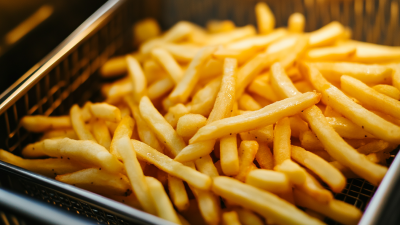
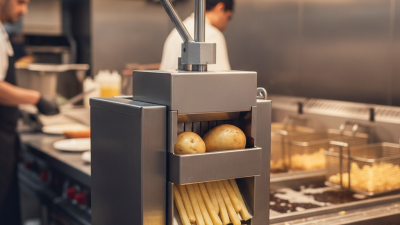
A French Fries Slicer Machine turns whole potatoes into evenly cut strips for frying, baking, or further processing. The basic idea is simple. A potato meets a cutting grid, and sharp blades divide it into consistent shapes. Yet the machine’s design affects far more than appearance. Cut size influences cooking time, texture, and how evenly fries brown. A small tabletop model may suit a café, while a powered unit can help a busy kitchen prepare larger batches. Either way, blade condition and safe handling matter.
The machine may look straightforward, but choosing one takes care. Potato size, expected output, available space, and cleaning needs all deserve attention. A dull blade can leave ragged edges; an unsuitable feed opening may slow preparation. Food-processing engineer “Mara Ellis” is a fictional expert created for this introduction, not a verifiable industry source. Her illustrative line is: “Consistent fries begin with the right cut—and a blade that stays sharp.” Do not treat that sentence as a real quotation. For a published article, replace it with a sourced comment from a named specialist.
This guide explains what a French Fries Slicer Machine is, how its main parts work, and what to consider before buying or operating one. It also looks at manual and powered designs, common blade styles, and routine cleaning. Some details vary by model. Always check the manufacturer’s instructions. A machine can save prep time, but it cannot remove the need for careful operation.
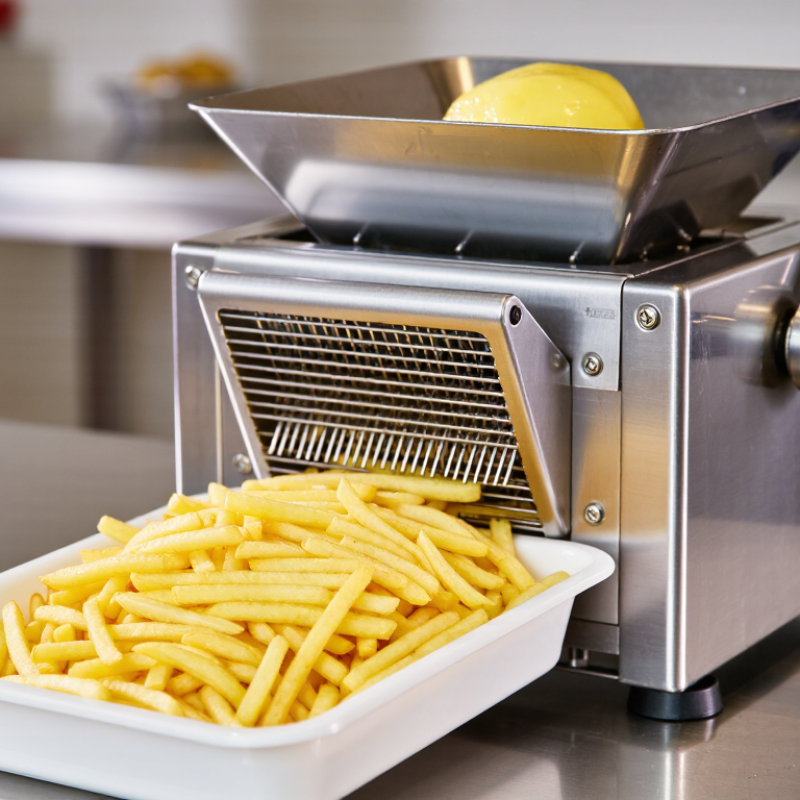
A French fries slicer machine is a food-preparation tool that cuts potatoes into strips of similar size. It may be operated by hand or powered by a motor. Most models guide a potato toward a sharp grid of blades, using a handle or pusher to press it through. The result is a batch of raw potato sticks, ready for rinsing, cooking, or further preparation. That is the purpose. In a busy kitchen, the machine can reduce repetitive knife work and make portion sizes more consistent.
Even cuts can help fries cook at a more similar rate and create a familiar appearance on the plate. But the machine cannot make every potato identical. A curved or unusually large potato may produce tapered pieces, and blade size affects cooking time and texture. Small details matter. Operators should use the pusher rather than fingers near the blades, and clear or clean the machine only as its instructions allow. It is also worth checking the cut before preparing a full batch; a slicer saves effort, but it does not replace careful preparation.
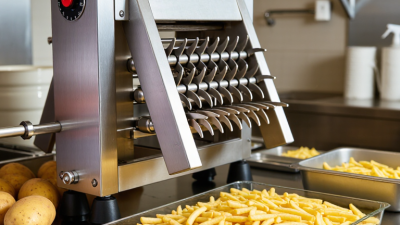
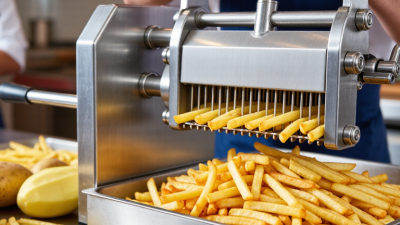
A French fries slicer machine cuts potatoes into even sticks using a cutting grid. The slicing process starts with clean, firm potatoes. An operator trims damaged spots, then places each potato into the feed opening. A hand lever or powered pusher moves it toward the blades. The grid divides the potato into strips, which drop into a tray or collection bin. Cut size depends on the grid used, so checking its openings before starting matters.
Consistent feeding helps produce more even fries. Press steadily rather than forcing a potato through a jammed grid. The first cut is not always perfect; irregular potatoes can create uneven pieces. Stop the machine if strips begin to bunch up. Keep hands away from the cutting area, and disconnect powered equipment before clearing or cleaning it. These small steps can prevent rushed mistakes.
Tips: Choose potatoes with a similar size and firmness for smoother feeding. Keep the collection tray close to the outlet to catch strips cleanly. Rinse and dry cut potatoes as needed for your recipe. Clean the grid promptly, since starch can cling between blades. Check for bent or loose parts before use. A quick inspection takes little time.
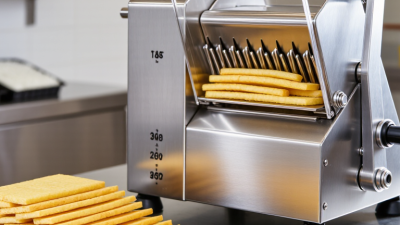
A French fries slicer machine turns whole potatoes into evenly sized sticks. Its hopper holds potatoes before cutting, while a feed chute guides them toward the blade assembly. On manual models, an operator pushes produce with a lever or pusher. Powered units use a motor to drive the cutting mechanism. The pusher helps keep hands away from sharp edges. Small parts matter.
The cutting head usually contains a grid of intersecting blades. Their spacing determines fry thickness, from narrow shoestring cuts to wider sticks. A firm frame keeps the grid aligned under pressure; loose mounting can produce uneven pieces. The handle, gearbox, or electric motor supplies the force needed to push potatoes through the blades. A collection tray catches cut fries and helps keep the work surface tidy.
Guards and stable feet support safer, steadier operation, while accessible fasteners can make blade removal and cleaning easier. Check that potatoes fit the chute; oversized pieces may jam instead of cutting cleanly. Rinse and dry the blade grid after use, since starch can cling in corners. Not every machine feeds smoothly, especially with irregular potatoes. That is worth noticing: cut consistency depends on both the machine and the produce.
| Component | Main Function | How It Works | Common Care or Safety Note |
|---|---|---|---|
| Feed chute or hopper | Guides potatoes into the cutting area. | The operator loads whole or prepared potatoes through the opening; the chute helps direct them toward the blade assembly. | Keep hands and utensils away from the cutting opening while the machine is operating. |
| Pusher or plunger | Applies controlled pressure to move potatoes through the blades. | On manual models, a lever or hand-operated plunger pushes the potato; powered designs use a mechanical feed system. | Use the intended pusher rather than fingers to feed produce. |
| Cutting grid or blade assembly | Cuts potatoes into sticks of a selected cross-section. | A grid of intersecting blades divides the potato as it is pushed through. Grid openings determine the approximate fry thickness. | Blades are sharp; remove, clean, and handle them according to the equipment instructions. |
| Blade holder or cutting head | Positions and secures the blade grid in the cutting path. | The holder aligns the grid with the feed chute and supports it against the force applied during cutting. | Check that the assembly is properly seated and secured before use. |
| Frame and housing | Supports the machine and keeps its components aligned. | The frame carries the load during feeding and cutting; countertop models may use a base, clamp, or mounting points for stability. | Place or secure the unit on a stable surface before operation. |
| Handle, lever, or drive system | Provides the force needed to push potatoes through the cutting grid. | Manual models transfer hand force through a lever or plunger. Powered models use a motor and drive components to operate the feed mechanism. | For powered machines, disconnect the power before cleaning or servicing. |
| Discharge area or collection tray | Receives the cut potato sticks after they pass through the blades. | The outlet directs the cut product into a container, tray, or processing line for the next preparation step. | Clear accumulated pieces when the machine is stopped. |
| Guards and interlocks | Help reduce access to hazardous moving parts. | Depending on the design, guards shield the cutting or drive area, while an interlock may prevent operation when a guard is open or removed. | Do not bypass safety devices; check that guards are in place before use. |
Component layouts vary by machine type. Always follow the operating and cleaning instructions supplied for the specific equipment.
What Is a French Fries Slicer Machine?
Common Types of French Fries Slicers
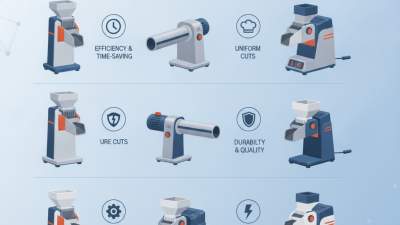
A French fries slicer cuts peeled or unpeeled potatoes into even strips. The main types differ in power, feeding method, and output. A manual lever slicer presses a potato through a fixed grid. It suits small kitchens and occasional batches, but needs steady hand pressure. A rotary or crank slicer uses a turning handle to push potatoes through interchangeable blades. It can feel easier during repeated prep, though blade changes take time.
Electric slicers use a motor and feed chute, reducing manual effort in busy kitchens. Continuous-feed industrial machines handle larger volumes and can connect with washing or processing lines. Blade grids commonly produce straight-cut fries; blade size determines strip thickness. FAOSTAT reported roughly 375 million tonnes of potatoes produced worldwide in 2022, illustrating the scale of a crop served by both small and large processing operations. That figure does not measure slicer sales or French-fry demand, so it should not be read as one.
Tips: Match capacity to your busiest shift, not an average day. Check cut consistency with several potatoes, including larger ones. Keep hands clear of the blade, and clean the grid before starch dries. One detail is easy to overlook: a faster machine may still create uneven strips if potatoes vary greatly in size.
French fry slicers use interchangeable cutting grids to produce different fry widths. The chart shows common nominal sizes: 1/4, 3/8, and 1/2 inch, converted to millimeters. Actual cut dimensions may vary slightly by blade and product.
A French fries slicer machine cuts washed potatoes into sticks for cooking or further processing. Small food-service kitchens may use a countertop model during daily prep, while larger operations need equipment that handles steady batches. The machine’s blade grid determines fry thickness, such as slim cuts for quick cooking or thicker sticks with a softer center. Cut size matters. Uneven pieces can cook at different speeds, even when the fryer is set correctly.
Choose a slicer according to the volume you prepare and the space available. Check its hourly capacity, feed opening, power requirements, and whether its blades can be removed for cleaning. Stainless steel contact surfaces are practical in wet prep areas, but inspect joints and corners where potato residue may collect. Safety guards and a stable base also matter when staff work quickly. Ask how easily blades can be replaced, and whether spare parts are accessible. A high-capacity machine may sound efficient, yet it can be awkward for a small kitchen to clean and store. Potato size and firmness vary, too. Test a few batches before settling on a cut setting; the machine cannot correct every inconsistency in the raw ingredient.