The Complete Guide to French Fries Processing Line Equipment?
The world of French fries has evolved significantly, offering not just taste but also innovation in processing. The French Fries Processing Line is crucial for ensuring quality and efficiency. It consists of various machines that automate sorting, cutting, and frying. Understanding these components is essential for anyone interested in the food industry.
There are countless options available when it comes to equipment selection. Some machines may promise high outputs but compromise on quality. Operators need to evaluate each piece of equipment thoroughly. Attention to detail can make a significant difference in the final product.
It’s also essential to recognize that not all processing methods work for every type of potato. Different varieties yield different results. This variability prompts ongoing reflection and adjustment in processes. By focusing on the right French Fries Processing Line, businesses can achieve an optimal balance between efficiency and quality.
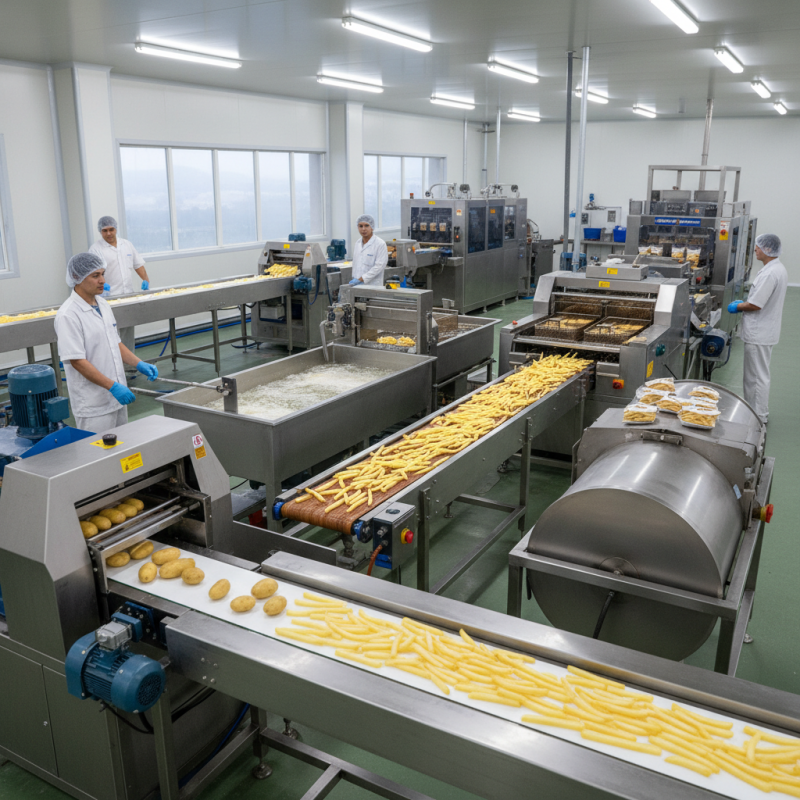
Overview of French Fries Processing Line Equipment
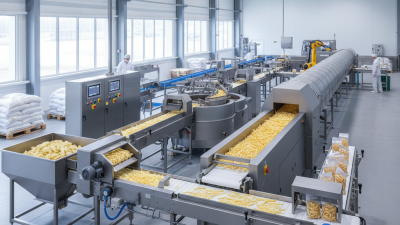
French fries processing line equipment plays a crucial role in food production. This equipment ensures that potatoes are transformed into delicious fries efficiently. It includes several key components, each with specific functions.
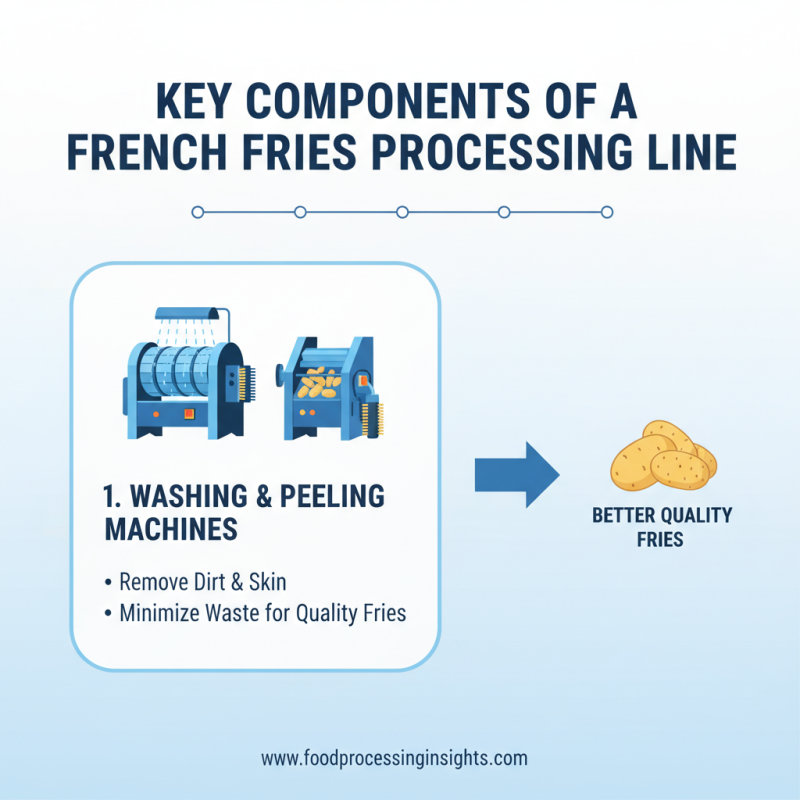
The line typically starts with a washing unit. Here, dirt and impurities are removed from the potatoes. Following this, the peeling machine strips away the skin.
Next is the slicing equipment. This part is essential, as even cuts are vital for consistent cooking. A fryer then follows to achieve that golden-brown finish.
Quality control is also an important aspect. Color, texture, and size must be monitored. Even minor mistakes can affect the final product. It’s easy to overlook these details in a busy production line. However, maintaining high standards is crucial for customer satisfaction.
Step-by-Step Process of French Fries Production
The production of French fries involves several critical stages. The first step is potato selection. It’s essential to choose high-quality potatoes. Data shows that about 55% of fries' quality depends on the raw material. Poor selection impacts the final product's taste.
Next comes washing and peeling. This process removes dirt and skin, and it typically uses water and mechanical peelers. Around 10% of the raw potatoes may be lost here. After peeling, the potatoes are cut. Cutting machines vary in size and type. Striking a balance between speed and uniformity is crucial.
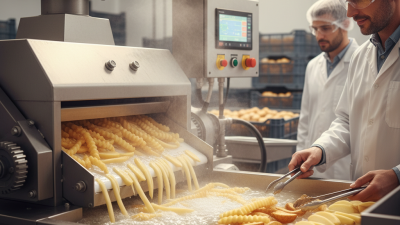
Blanching is another key step. It pre-cooks the fries in hot water or steam. The goal is to reduce sugars and enhance the color. However, overcooking can lead to mushiness, affecting texture. Proper timing is essential in this phase. After blanching, fries are cooled rapidly to prevent cooking from continuing.
Frying follows next. Many prefer oil with a high smoke point. Data indicates that the oil's quality affects the final crunchiness and flavor. However, managing frying temperatures is a common challenge. Overheating can render fries greasy, while undercooking results in a soggy product. Lastly, frozen packaging preserves freshness. Careful attention during this step significantly impacts shelf life.
Maintenance and Troubleshooting for Processing Equipment
Maintaining French fries processing equipment is crucial. Regular maintenance prevents costly breakdowns and unplanned downtime. Statistics show that over 30% of machinery issues stem from inadequate upkeep. Operators must be diligent in routine inspections.
Inspect components such as fryers, blanchers, and conveyors. Look for wear and tear on belts. Check for clogs in the fryer system. A simple blockage can slow down production. It's recommended to perform weekly checks on filters and oil levels to ensure optimal performance.
Troubleshooting requires a keen eye. Noise from machinery can indicate underlying issues. Vibrations might signal alignment problems. Regularly checking for loose bolts or screws can prevent bigger issues down the line. Operators often overlook correlation between small maintenance tasks and overall efficiency. Ignoring these doubts can lead to more serious problems.
Innovations and Future Trends in French Fries Processing Technology
French fries processing technology is evolving. In recent years, innovations have transformed how these popular snacks are produced. Modern equipment now features advanced automation. This reduces labor costs and increases efficiency. Sensors and AI play a crucial role, optimizing cooking times and temperatures. The trend is towards precise control, ensuring consistent quality.
Moreover, sustainability is becoming a focus. Companies are exploring eco-friendly farming and production practices. More efficient fryers consume less energy. Water recycling systems also minimize waste. Some manufacturers are even experimenting with alternative ingredients. Health-conscious consumers are now interested in lower-fat options. This shift presents a real challenge for traditional recipes.
Yet, despite these advancements, there are still hurdles. Balancing taste and health remains complex. Many innovations may not meet consumer expectations. Equipment failures can disrupt entire production lines. Manufacturers must navigate these obstacles carefully. Continuous improvement and adaptability are essential. The future will likely bring more changes. Embracing new technologies while staying true to quality may define success in the industry.