10 Essential Tips for Buying a Potato Flakes Processing Line?
Investing in a Potato Flakes Processing Line can significantly elevate your food processing business. In recent years, the global demand for convenience foods has surged, with potato flakes witnessing a remarkable growth rate of 5.2% annually, as reported by industry analysts. This shift is driven by the increasing popularity of quick meal solutions among consumers.
Choosing the right processing line is critical for maintaining quality and efficiency. Inadequate equipment can lead to subpar products and potential financial losses. Data indicates that brands with optimized processing setups enjoy up to a 30% increase in production efficiency. However, many buyers overlook essential factors when selecting equipment.
Understanding the technology and market standards becomes vital. Factors such as cost, scalability, and machine reliability play crucial roles in the decision-making process. Even seasoned industry players sometimes grapple with these considerations. Having a strategic approach can help mitigate risks and enhance your production capabilities. A comprehensive assessment will guide you towards making an informed investment in your Potato Flakes Processing Line.
Understanding the Basics of Potato Flakes Processing Lines
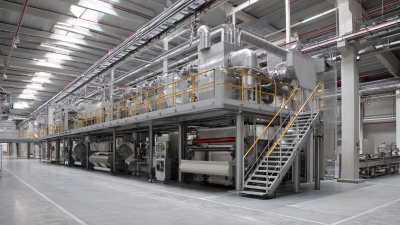
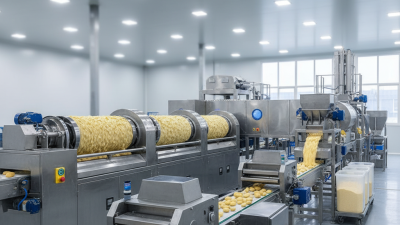
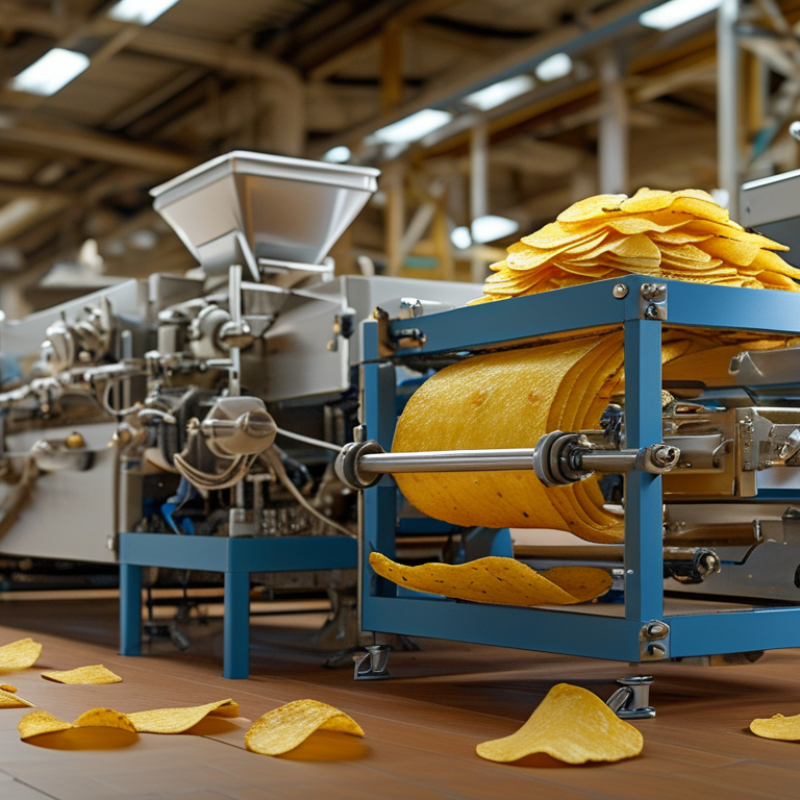
When exploring potato flakes processing lines, understanding the basics is vital. This includes grasping how these lines work. A potato flakes processing line typically involves multiple stages. These range from washing potatoes to flaking and drying. Each stage must be efficient to ensure high-quality output.
One essential tip is to evaluate the capacity of the line. Choose a line that matches your production goals. Overestimating can lead to wasted resources. Another critical factor is energy consumption. Select energy-efficient equipment to maintain cost-effectiveness over time. This choice will impact your long-term profitability.
It’s also important to consider maintenance requirements. A line that is hard to maintain can lead to downtimes. Regular servicing becomes a must, often costing you more in the long run. Finally, seek advice from industry experts. Their insights can help identify pitfalls and successful practices that may not be immediately apparent. This knowledge can guide your decisions effectively.
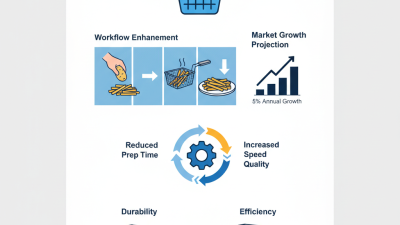
Potato Flakes Processing Line Efficiency Comparison
Key Components of a Potato Flakes Processing Line
When considering a potato flakes processing line, understanding its key components is vital. The process begins with raw potato handling. Effective washing and peeling machines are crucial. A recent industry report highlighted that up to 30% of potatoes can be lost during this phase if not adequately managed. An efficient peeler ensures minimal waste and maximum yield.
After peeling, the next step is slicing and blanching. Blanching plays a critical role in preserving flavor and color. Some processing lines utilize steam blanching, which is known to maintain nutrients better than other methods. A study found that steam blanching can enhance the final product's quality by up to 25%. Following blanching, the dehydration phase transforms sliced potatoes into flakes. Here, the choice of a dehydrator significantly influences the final texture. Uniform drying ensures that all flakes rehydrate evenly, addressing common complaints about inconsistent product quality.
Finally, packaging is a crucial consideration. Effective packaging prevents moisture absorption and extends shelf life. A report indicated that poor packaging could lead to a 15% reduction in product viability. Thoughtful investment in these key components can influence overall operational efficiency and product quality. However, it’s essential to continuously review and optimize each phase for improvement.
Factors to Consider When Choosing a Potato Flakes Processing Line
Choosing a potato flakes processing line involves several critical factors. First, consider the production capacity. Determine how much potato flakes you want to produce daily. This will guide your decision on the size and specifications of the equipment. A line that is too small will limit your output, while an oversized one may result in unnecessary costs.
Quality is another key aspect. Evaluate the technology involved in processing. Look for machines that efficiently maintain the nutritional value of potatoes. Research various technologies to identify those that offer the best quality flakes. Additionally, pay attention to the energy efficiency of the line. High energy consumption can quickly elevate operating costs, impacting your profit margins.
The layout of the processing line is often overlooked. A well-organized system can streamline operations and enhance productivity. Think about the space you have available. Issues with flow and congestion can hamper efficiency. It's also wise to consider customer support from the manufacturer. Prompt assistance can be essential in maintaining production. Investing in a reliable processing line is vital, but do not shy away from questioning the suppliers about their experience.
Evaluating Manufacturer Credibility and Support
When selecting a potato flakes processing line, evaluating the credibility of manufacturers is vital. In the competitive food processing market, reliable manufacturers can greatly influence product quality and operational efficiency. According to industry reports, over 40% of processing failures stem from poor equipment sourcing. This statistic highlights the need to investigate potential suppliers thoroughly.
Look for manufacturers with strong industry experience. Those with more than a decade of expertise often provide superior support. Read reviews and seek testimonials from previous clients. These insights can reveal a company’s commitment to customer service. Ideally, choose a manufacturer that offers maintenance support and training programs for staff. This not only ensures optimal operation but also reflects the company’s dedication to long-term partnerships.
Additionally, consider the technological advancements incorporated in their processing lines. Many reputable manufacturers now integrate automation and precision technologies. Advanced systems can improve efficiency by over 30%. This statistic cannot be overlooked when assessing potential suppliers. Remember, thorough research can save significant costs in the long run.
10 Essential Tips for Buying a Potato Flakes Processing Line
| Criteria |
Description |
Importance Level |
| Manufacturer Experience |
Years in the industry and experience level in potato processing equipment. |
High |
| Customer Testimonials |
Feedback from previous clients regarding reliability and service. |
Medium |
| Technical Support |
Availability of support and training during installation and after sales. |
High |
| Warranty and Service Options |
Extent of warranty and availability of service contracts. |
High |
| Customization Options |
Ability to tailor the processing line to specific needs. |
Medium |
| Production Capacity |
Volume output of the potato flakes processing line. |
High |
| Energy Efficiency |
Energy consumption and sustainability of the processing line. |
Medium |
| Compliance with Standards |
Adherence to industry regulations and safety standards. |
High |
| Financial Stability |
Manufacturer's financial health and ability to support long-term relationships. |
Medium |
| Availability of Parts |
Ease of obtaining spare parts and components for maintenance. |
High |
Cost Analysis and Budgeting for a Processing Line Purchase
When considering the purchase of a potato flakes processing line, cost analysis is crucial. Initially, it's essential to estimate the overall budget. This includes machinery costs, installation expenses, and training for staff. Don't overlook ongoing costs like maintenance and utilities. They can significantly impact profitability over time.
Many potential buyers underestimate the hidden costs. These can arise from delays in production or unexpected repairs. Thorough research can help identify reliable suppliers and avoid pitfalls. Understanding the features that enhance efficiency is equally important. Investing in advanced technology may seem costly initially but can lead to long-term savings.
Incorporating a comprehensive cost-benefit analysis is beneficial. This will help you evaluate different processing line options. Consider the scalability of the equipment. As demand increases, the ability to expand production without major investments is vital. Gathering insights from industry experts can provide valuable perspectives that lead to informed decisions.