How to Choose the Best French Fries Processing Line for Your Business
When it comes to establishing a successful business in the food industry, the quality of your products is paramount, and for many operators, nothing says quality like perfectly processed French fries. The French Fries Processing Line is a vital component in achieving that perfect taste and texture, capable of enhancing efficiency and productivity in your operations. Choosing the best processing line isn't just about picking any machinery; it involves a thorough understanding of your business needs, production capacities, and the market you aim to serve.
In this increasingly competitive landscape, investing in the right French Fries Processing Line can set your business apart. It's essential to examine various factors including the technology used, the scalability of the equipment, cost-effectiveness, and the support service provided by the manufacturer. As you make this critical choice, think about how different processing lines can affect the quality and consistency of your fries, ultimately influencing customer satisfaction and loyalty. The right processing line can streamline your operations, enhance product quality, and drive your business towards success in the bustling food market.
Understanding the Types of French Fries Processing Lines Available
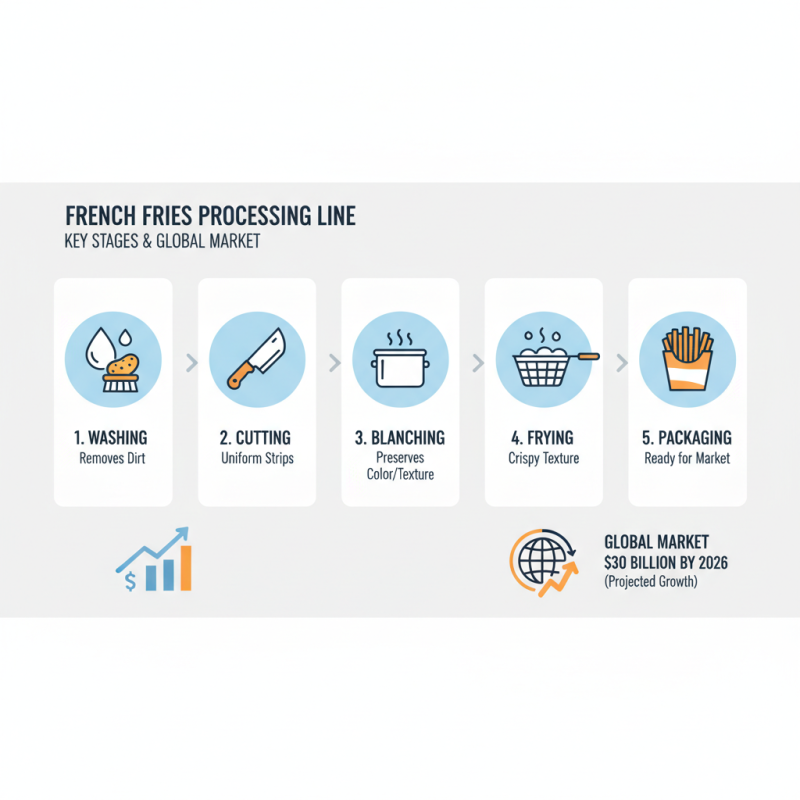
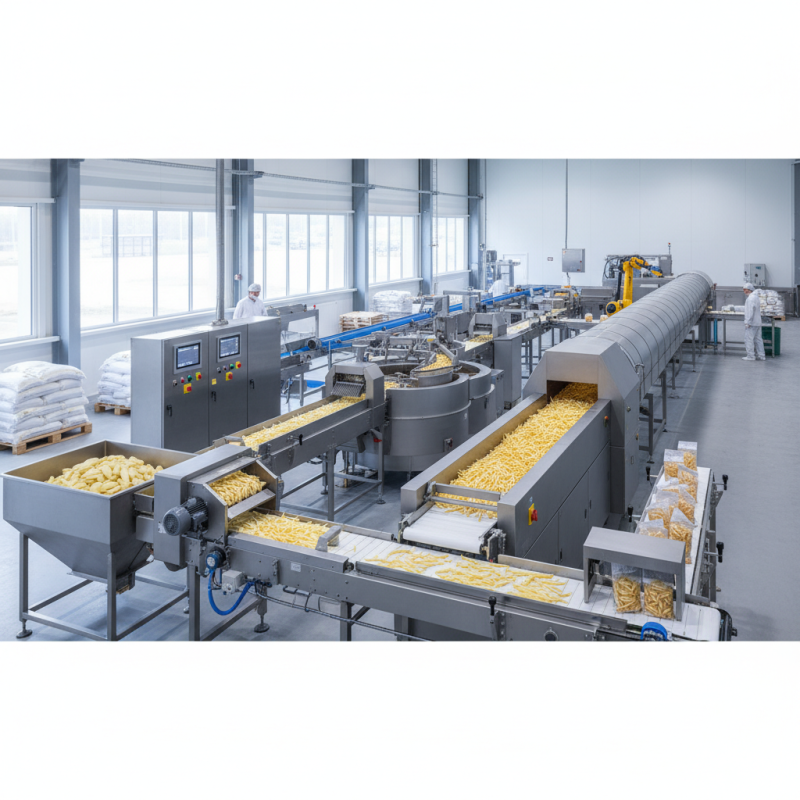
When selecting a French fries processing line for your business, it’s essential to understand the various types available to cater to your production needs. The processing line typically consists of several stages: washing, cutting, blanching, frying, and packaging. Each of these stages can be customized with specific equipment designed for different capacities and product characteristics. According to industry reports, the global French fries market is expected to reach approximately $30 billion by 2026, showcasing the demand and opportunity for efficient processing solutions.
There are primarily three types of French fries processing lines: batch systems, continuous systems, and semi-continuous systems. Batch systems are ideal for small-scale producers and allow for flexibility in operations but may face limitations in large-volume production. Continuous systems, on the other hand, are designed for high-capacity operations, ensuring a consistent output, while minimizing labor costs and waste. Semi-continuous systems strike a balance between the two, offering moderate capacity with some level of operational flexibility.
Tip: Assess your production volume and available space before choosing the processing line. Larger facilities may benefit from continuous systems that handle higher outputs efficiently, while smaller businesses might opt for batch or semi-continuous systems that can adapt to changes in demand without significant investment.
Furthermore, consider the technology incorporated within the processing line. Modern lines often feature automated processes, which enhance efficiency and reduce labor costs. Reports indicate that integrating advanced technology can improve yield and product quality, making a significant difference in profitability.
Tip: Look for processing lines that include energy-efficient machines, as these can lead to substantial cost savings in the long run, providing both economic and environmental benefits.
Key Features to Consider When Choosing a Processing Line
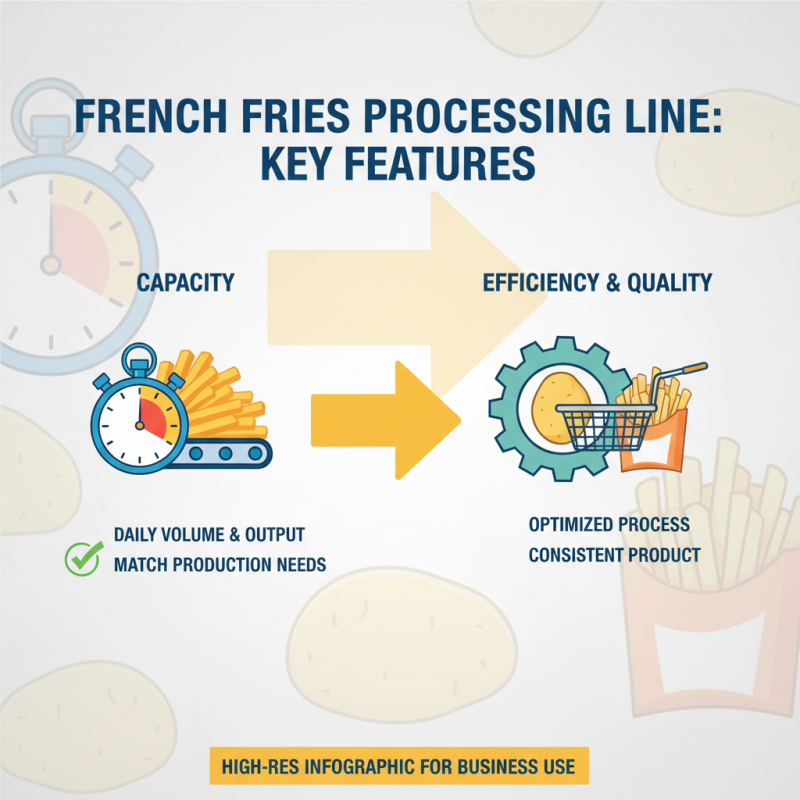
When selecting the best French fries processing line for your business, it is essential to focus on several key features that can significantly influence efficiency and product quality. First, consider the capacity of the processing line. Assess your production needs based on the volume of fries you intend to produce daily. A processing line that can handle your expected output without compromising quality is crucial for meeting customer demand and ensuring timely delivery.
Another important feature is the versatility of the processing line. Look for equipment that can accommodate different types of potatoes and processing methods, such as cutting, blanching, and frying. This flexibility is vital, as it allows you to adapt to market trends and consumer preferences without needing substantial investments in new machinery. Additionally, energy efficiency should not be overlooked. Opting for a processing line that minimizes energy consumption can lead to significant cost savings over time, enhancing the overall profitability of your operation.
Evaluating Production Capacity and Efficiency Requirements
When choosing a French fries processing line, evaluating production capacity and efficiency requirements is crucial for the long-term success of your business. First, determine your production needs based on market demand and sales forecasts. Consider the volume of product you aim to produce daily or weekly, as this will guide your selection of machinery. A processing line that can accommodate a higher capacity than your current needs may offer room for growth, while a line that barely meets your needs could become a bottleneck, impacting your productivity.
Efficiency is another essential factor. Look for processing lines designed to minimize waste and maximize output. Investigating aspects like energy consumption, labor costs, and maintenance requirements will provide insights into the total cost of ownership. Automated systems often enhance efficiency, leading to higher throughput and improved product quality. It’s also beneficial to assess how adaptable the equipment is to different types of potatoes and frying techniques, as this flexibility can significantly affect your operational efficiency and ability to cater to diverse consumer preferences.
French Fries Production Capacity Analysis
Assessing Cost-Effectiveness and Budget Constraints
When selecting a French fries processing line for your business, assessing cost-effectiveness and budget constraints is crucial. According to a recent industry report by Market Research Future, the global demand for processed potato products, such as French fries, is expected to reach $71 billion by 2025. This growing market indicates a healthy opportunity for businesses; however, it also underscores the need for a well-planned investment in processing equipment. A cost-effective processing line should not only match production capacity requirements but also optimize operational efficiency and energy consumption.
When evaluating potential processing lines, consider long-term operational costs alongside the initial capital expenditure. Factors such as energy consumption, maintenance frequency, and labor costs significantly impact the total cost of ownership. For instance, a study from the Food Processing Suppliers Association highlighted that energy-efficient machinery could reduce operational energy costs by up to 30%. Additionally, invest in technology that minimizes waste and enhances yield—these operational efficiencies can lead to significant savings in both raw materials and labor over time, ensuring that the processing line not only fits within your budget but also contributes to sustainable growth for your business.
Exploring Supplier Reputation and Support Services
When selecting a French fries processing line for your business, supplier reputation is a critical factor to consider. A reputable supplier typically demonstrates a history of reliability, quality, and customer satisfaction. Researching suppliers involves examining their experience within the industry, testimonials from previous clients, and the overall track record of their equipment. A well-established supplier often has proven technologies and understands the nuances of efficient processing that can elevate the quality of your product while optimizing production efficiency.
Equally important are the support services offered by the supplier. After-sales support can be a decisive factor in the long-term success of your processing line. This includes technical assistance, regular maintenance, and quick response times for troubleshooting any issues that arise. A supplier that invests in customer support not only provides training for your staff on equipment operation but also ensures that spare parts are readily available, minimizing downtime in your production line. This level of commitment can significantly enhance your operational productivity and help you navigate challenges as your business grows.