How to Choose the Best Finger Chips Cutter Machine for Your Needs?
Choosing the right Finger Chips Cutter Machine can be challenging. With many options available, it’s essential to understand your specific needs. A quality machine can streamline your kitchen operations and enhance productivity.
When evaluating machines, consider factors like size, capacity, and ease of use. Some machines offer various cutting styles, while others are more straightforward. Think about the volume of chips you plan to produce. Not every machine suits every environment, and choosing the wrong one can lead to frustration.
Durability and maintenance are also crucial. A machine that is hard to clean may become a hassle over time. Look for user reviews and expert recommendations to gauge reliability. Balancing your budget with performance and quality is vital. Be prepared to invest in a machine that best fits your requirements, even if it seems expensive at first glance.
Understanding Different Types of Finger Chips Cutter Machines
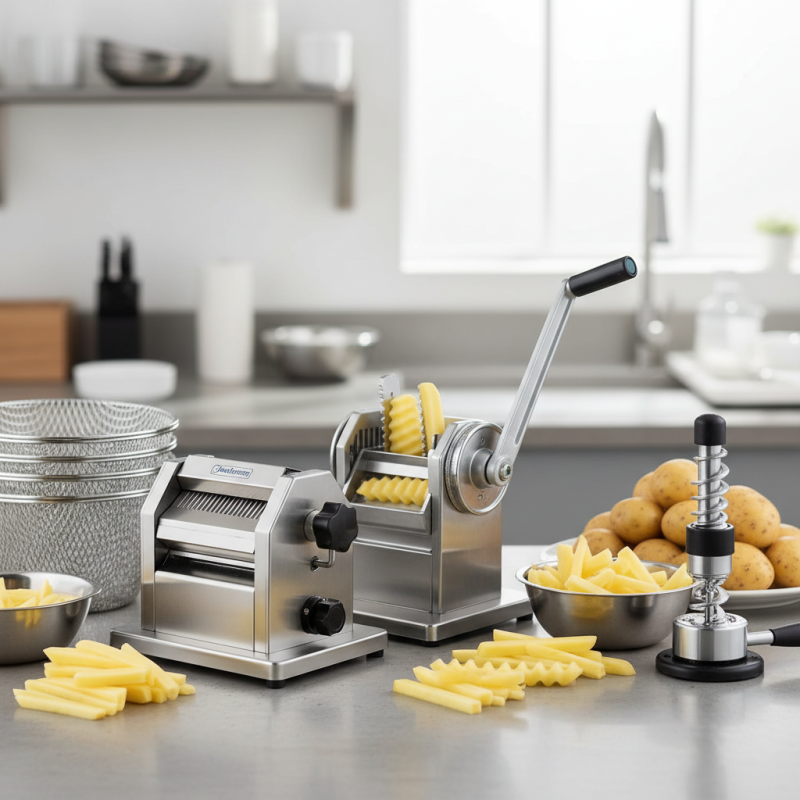
When choosing a finger chips cutter machine, it's essential to understand the various types available. Different machines cater to different needs, from home use to heavy commercial operations. For instance, manual cutters are portable and budget-friendly. They require some physical effort but can produce consistent results with practice. Conversely, electric cutters save time and offer uniform slicing with minimal effort. They are ideal for busy kitchens or small businesses.
Another critical aspect to consider is the material of the cutter's blades. Stainless steel blades are durable and less prone to rusting, making them reliable for ongoing use. Some machines feature adjustable cutting thickness, allowing versatility in chip size, which can affect cooking times and crispiness. You might find a machine that excels in one area but lacks in another, leading to potential dissatisfaction.
Don’t forget to look at user reviews and testimonials. They can provide real insights into a product's performance and durability that specs alone won't reveal. It's helpful to identify any common complaints, like difficulty in cleaning or inconsistent cuts. A machine may look perfect on paper, but user experiences can highlight flaws. Careful consideration of these factors will guide you toward the right choice for your finger chips cutter needs.
How to Choose the Best Finger Chips Cutter Machine for Your Needs?
| Type |
Features |
Capacity (kg/h) |
Power (W) |
Price (USD) |
| Manual Finger Chips Cutter |
Compact, Easy to Use |
50 |
None |
50 |
| Electric Finger Chips Cutter |
Automatic, High Efficiency |
200 |
500 |
200 |
| Commercial Finger Chips Cutter |
Heavy-duty, Multi-functional |
500 |
1500 |
500 |
| Industrial Finger Chips Cutter |
Robust, High Output |
1000 |
3000 |
1500 |
Key Features to Consider When Choosing a Finger Chips Cutter
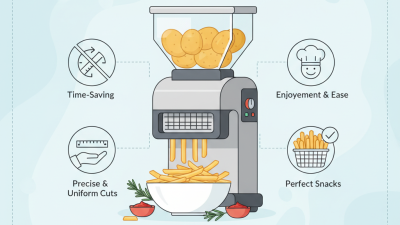
When selecting a finger chips cutter machine, several key features should guide your decision. Blade quality is paramount. A sharp, durable blade ensures clean cuts, which are crucial for consistent frying and texture. Studies indicate that evenly cut potatoes fry better, achieving uniform crispiness. Machines with stainless steel blades offer longevity and easier maintenance, critical for busy kitchens.
Another essential feature is the machine's capacity. Depending on your needs, you may require a model that can handle larger batches efficiently. For instance, a machine that processes 50 kg of potatoes per hour makes it suitable for catering businesses. Conversely, if you serve a smaller clientele, a compact model may suffice. Users often overlook the importance of safety features, such as automatic shut-off mechanisms. These protect both the operator and the equipment, preventing accidents that can occur during high-speed operation.
Ease of cleaning is also vital. Machines that disassemble quickly allow for thorough washing, which is necessary to maintain hygiene standards. In a survey conducted by the Food Industry Research Organization, 35% of businesses reported food safety as their top priority. While some advanced machines offer excessive features, asking whether all are necessary can be a vital reflection point. Ultimately, assessing your specific needs against these features can lead to a better purchasing decision.
Assessing Your Production Needs for Finger Chips Cutting
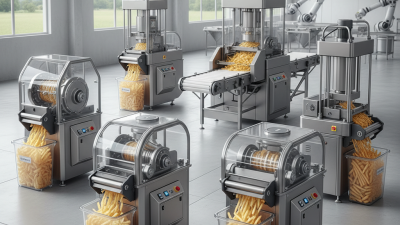
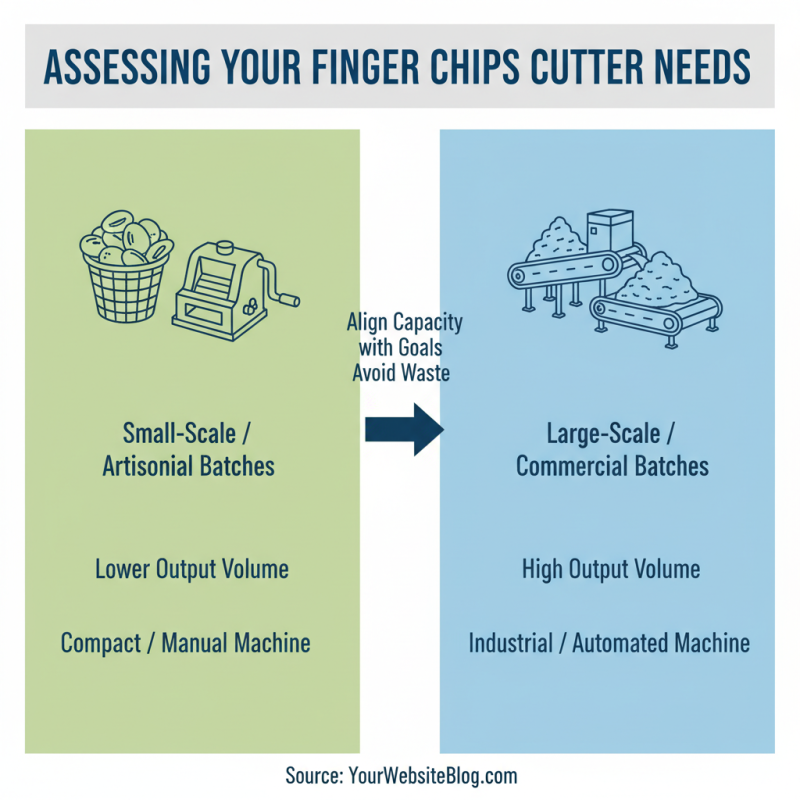
When choosing a finger chips cutter machine, assessing your production needs is crucial. Consider your intended output volume. Do you plan to produce large batches or smaller, artisanal batches? The machine's capacity should align with your production goals. A device meant for small-scale production may not suffice for a high-demand environment. Conversely, over-investing in a large-capacity machine for a modest output can waste resources.
Next, think about the type of finger chips you want to make. Different machines have varying capabilities. Some handle only raw potatoes, while others can manage various vegetables. Determine whether you need uniform cuts or different shapes for creative presentations. This choice can significantly impact your final product's appeal.
Don't overlook the ease of use and maintenance. Complexity in operation can lead to delays and inaccuracies. Some machines require frequent cleaning, which can interrupt your workflow. This consideration may encourage you to rethink your choice if you're not prepared for regular upkeep. Identifying these factors early can help prevent future headaches and ensure a smooth operation.
Comparing Price and Quality: Finding the Right Balance
When selecting a finger chips cutter machine, price versus quality becomes crucial. Many low-cost options may seem appealing at first glance. However, cheaper machines often compromise on durability. They may break down quickly, leading to additional costs in repairs or replacements. A robust machine, while initially pricier, can save money over time. Investing in quality can enhance your production efficiency.
Quality also relates to performance. Machines with better build and technology can produce more uniform cuts. This consistency ensures a better cooking experience. User feedback, reviews, and expert recommendations become valuable here. It's important to examine the materials used in construction. Stainless steel machines are durable and easier to clean.
Finding the right balance requires careful thought. Think about your production needs and volume. A small café might not need an industrial-grade machine. Reflect on your budget and assess where you can compromise. Sometimes, a slightly more expensive machine saves you time and effort. Quality machines often come with warranties, offering peace of mind. Make an informed choice based on real-world experiences and reliable feedback.
Comparison of Finger Chips Cutter Machines
This chart compares the price and quality ratings of different finger chips cutter machines based on user reviews and market research. The quality is rated on a scale from 1 to 10, while prices are represented in USD.
Maintenance and Support Considerations for Finger Chips Cutters
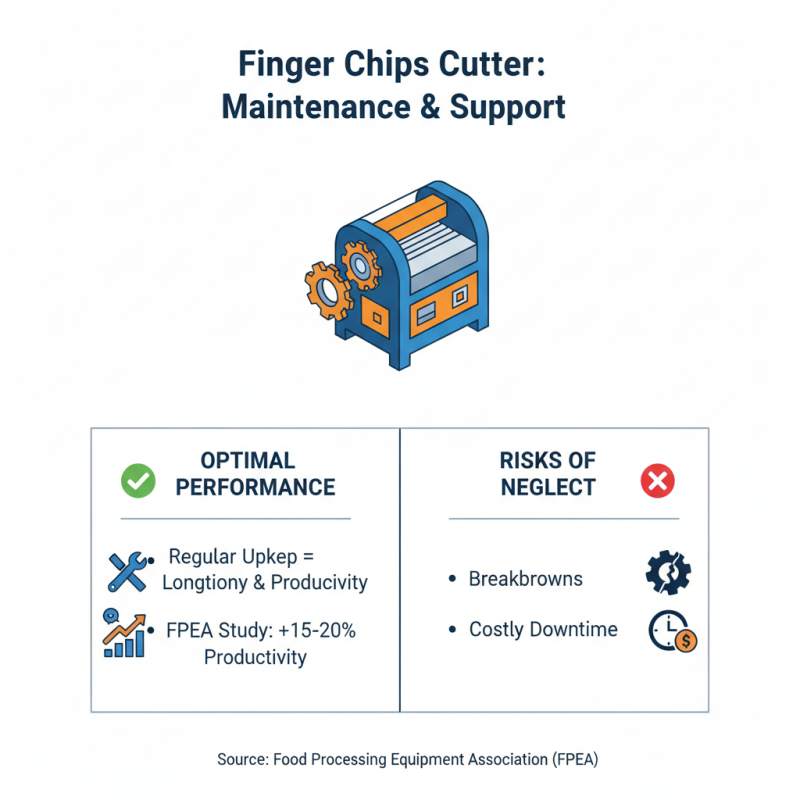
When selecting a finger chips cutter machine, maintenance and support are crucial. Regular upkeep ensures longevity and optimal performance. A study by the Food Processing Equipment Association (FPEA) indicates that well-maintained machines can increase productivity by 15-20%. However, neglect can lead to breakdowns, resulting in costly downtime.
Consider accessibility to replacement parts. If parts are hard to obtain, your operation could suffer delays. Regular inspections are essential too. Clean blades improve cutting quality. A dirty machine not only reduces efficiency but also compromises safety. Each cleaning session should be documented for future reference.
Tip: Choose a machine with a comprehensive support package. This may include technician visits and user training. Such support can reduce repair time significantly. Also, keeping a maintenance schedule can prevent unexpected failures. It's worth noting that many small businesses overlook these aspects, which often leads to bigger problems later. Regularly consult your user manual; it often contains valuable maintenance guidelines.