How to Choose the Best French Fry Cutter Commercial Options?
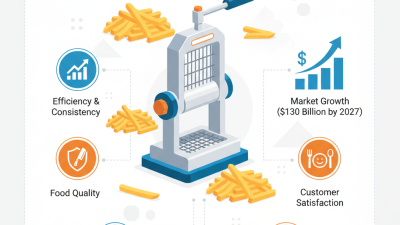
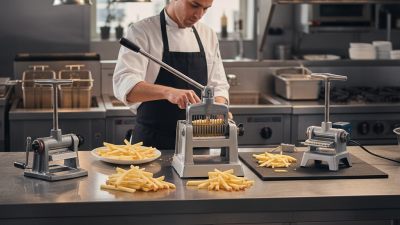
Choosing the right French Fry Cutter Commercial is essential for any food business. This task may seem straightforward, but factors like efficiency and quality can complicate decisions. It is crucial to understand that not all fry cutters deliver the same results. Some models may struggle with harder potatoes, while others excel.
When selecting a French Fry Cutter Commercial, consider the volume of fries you serve daily. A higher output requires robust machinery. Additionally, ease of use and maintenance can significantly impact your kitchen workflow. Is the cutter easy to clean? Can it withstand daily use? Questions like these are vital for long-term success.
Quality also matters. Investing in a durable French Fry Cutter Commercial can save you money in the long run. Look for products backed by positive reviews from other restaurant owners. They can provide insights that may go unnoticed in product descriptions. Ultimately, finding the right cutter involves research and thoughtful consideration to meet your unique needs. Reflecting on these details will guide you toward a sound purchase decision.
Factors to Consider When Selecting a French Fry Cutter for Commercial Use
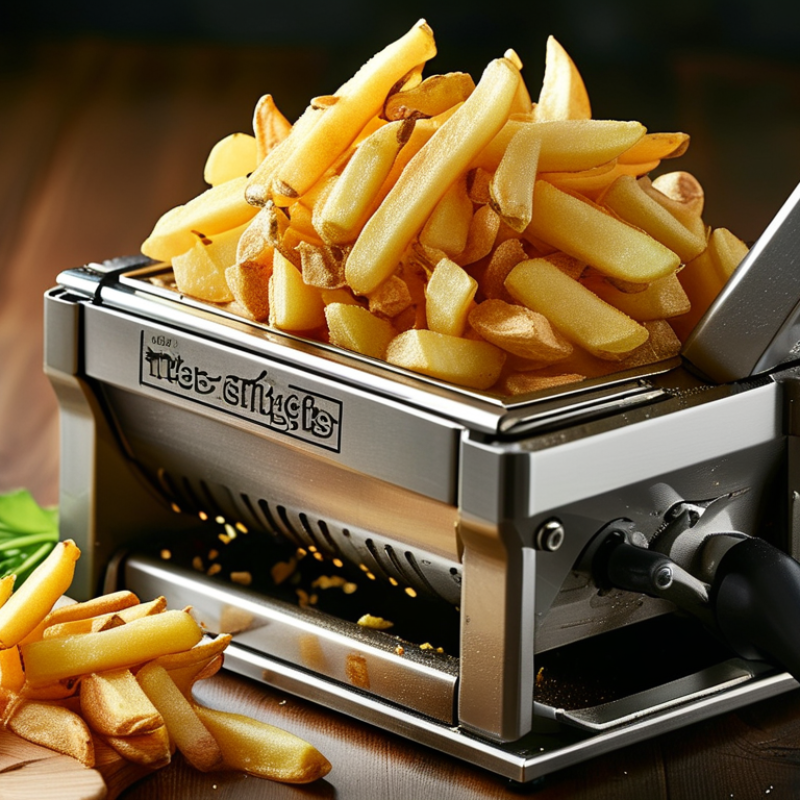
When selecting a French fry cutter for commercial use, several factors demand careful consideration. Efficiency is one key aspect. According to industry reports, businesses that utilize high-performing fry cutters can significantly increase output. A commercial cutter can reduce prep time by up to 60%. Fast food outlets often rely heavily on speed, making this a pivotal choice.
Another important factor is durability. Commercial environments are demanding, and equipment must withstand ongoing use. Stainless steel models tend to offer the best longevity. A survey indicated that 70% of operators prefer stainless steel over plastic for its robust nature. However, it's crucial to balance durability against weight. Heavier models may provide stability, but can also be cumbersome to handle.
Ease of cleaning is another consideration. A complex design can lead to food buildup, complicating maintenance. Data shows that 30% of food industry professionals struggle with cleaning efficiency. This can lead to contamination risks and wasted product. Look for models that disassemble easily for quick washing. Balancing these factors will help you choose the right cutter for a busy kitchen while ensuring long-term value and reliability.
Comparing Different Types of French Fry Cutters: Manual vs. Electric
When it comes to choosing between manual and electric French fry cutters, both options have their unique advantages.
Manual cutters are typically more affordable, lightweight, and easy to store.
They often require less maintenance, making them appealing for smaller establishments or those just starting in the food industry.
According to industry reports, about 70% of small restaurants still prefer manual options due to cost-effectiveness and simplicity.
On the other hand, electric fry cutters save time and labor, especially during peak hours.
These machines can process large volumes quickly, which is essential for busy kitchens.
A report from a leading food service publication indicates that restaurants using electric fry cutters can increase output by up to 50% during high-demand periods.
However, they come with higher upfront costs and require regular maintenance, which can be a drawback for some operators.
Both types of cutters have their place in commercial kitchens. It's crucial for operators to evaluate their specific needs.
Factors may include the volume of fry orders, labor costs, and available kitchen space.
While electric options offer efficiency, manual models can be just as effective in the right setting.
Balancing cost and efficiency is key, leading to reflection on what truly aligns with your business model.
Evaluating the Cutting Efficiency and Speed of French Fry Cutters
When evaluating the cutting efficiency and speed of French fry cutters, several factors come into play. The sharpness of blades is crucial. A sharper blade yields cleaner cuts, enhancing the aesthetics of fries. Also, consider the thickness options. Versatile cutters allow for various fry sizes, catering to different customer preferences.
Speed is another determining factor. A faster cutter can process large volumes, crucial for busy restaurants. However, speed should not compromise the quality of the cuts. Observing user experiences can provide insights. Some find certain models difficult to operate, which can slow down production.
User feedback often highlights the importance of stability during use. Cutters that wobble can lead to uneven cuts, negatively affecting presentation and taste. Moreover, easy cleanup should not be overlooked. Maintenance plays a role in long-term efficiency. Taking the time to review these aspects can lead to better purchasing decisions.
Comparison of French Fry Cutter Cutting Efficiency and Speed
Assessing Durability and Build Quality in Commercial French Fry Cutters
When selecting a commercial French fry cutter,
durability and build quality
are paramount. The materials used in construction can significantly impact longevity.
Stainless steel offers resistance to corrosion and wear,
while certain plastics might not withstand daily use. Look for models with solid metal frames.
They provide stability and ensure precise cuts over time. Weak connectors can lead to frequent repairs or replacements.
Another area to assess is the
design of the cutting blades.
High-quality blades should be sharp and able to handle various potato sizes.
Thicker blades may resist bending, but they could also result in uneven cuts.
Some equipment may promise quick chopping but can cause safety issues if not designed well.
Read user reviews to gauge reliability. Often, the most praised cutters are those that balance sharpness with
ease of maintenance.
Finally, consider the warranty offered by manufacturers. A solid warranty typically indicates
confidence in the product. If a cutter fails due to a manufacturing defect,
a robust warranty can save costs. Be mindful of wear patterns as well; even the best tools can wear down over time.
Regular assessments and maintenance can prevent unexpected losses of efficiency. This proactive approach can enhance
the overall durability and functionality of your commercial fry cutter.
Understanding Price Ranges and Warranty Options for Fry Cutters
Selecting the right French fry cutter for commercial use involves understanding price ranges and warranty options. Many industrial fry cutters fall into a wide price spectrum. According to industry reports, basic models start around $100, while high-capacity, heavy-duty options can exceed $1,000. This range can reflect the materials used, design quality, and output efficiency.
Warranty options can greatly influence long-term costs. A well-designed warranty can save money over time. Data shows that fry cutters with a warranty of three years or more often indicate a robust build. However, not all warranties cover parts or labor comprehensively, so careful reading is essential. Customers should prioritize models with clear terms.
It’s also crucial to assess the actual needs of the establishment. A busy kitchen may require higher-capacity cutters, while smaller venues might opt for basic styles. Assessing volume demand is essential, as some models may be overkill for light tasks. Evaluate ergonomics and ease of maintenance. Investing in a reliable cutter can enhance efficiency but might require a larger initial investment.