How to Choose the Best Potato Chip Seasoning Machine?
In the competitive world of snack production, choosing the right Potato Chip Seasoning Machine is crucial. According to industry expert James Carter, "The right seasoning machine can elevate your chips to a whole new level." With so many options available, it can be overwhelming.
Selecting a Potato Chip Seasoning Machine requires careful consideration. Think about your production volume and the types of seasonings you want to use. Choosing a machine that fits your needs is essential, yet often overlooked. Businesses can sometimes prioritize cost over quality, which may lead to disappointing results.
Look for features like adjustable settings and ease of use. A good machine should enhance flavor consistency and efficiency. However, some manufacturers may lack transparency about their products. Research and customer reviews can help you avoid difficult choices. In this crowded market, making informed decisions about your Potato Chip Seasoning Machine can ultimately make or break your success in the snack industry.
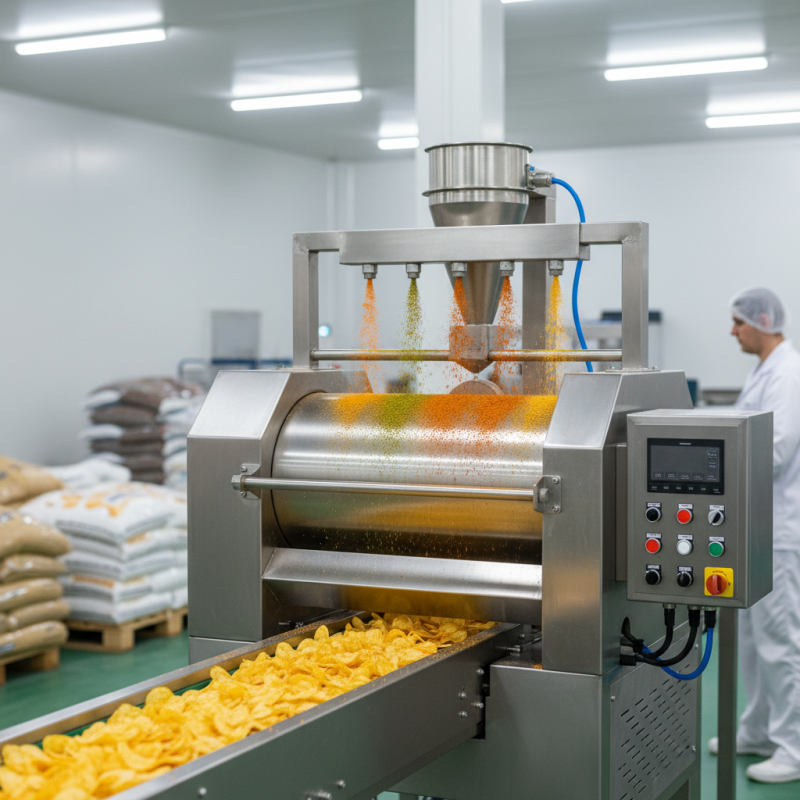
Understanding Potato Chip Seasoning Machines
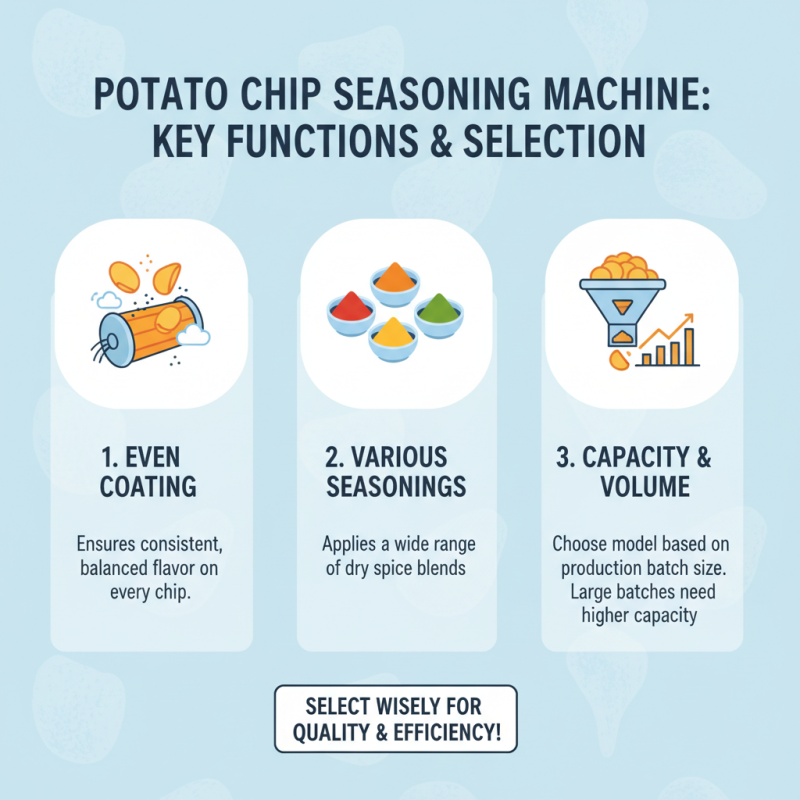
When selecting a potato chip seasoning machine, understanding its key functions is crucial. These machines are designed to evenly coat chips with various seasonings. This ensures a balanced flavor in every bite. Consider the capacity of the machine. If you produce large batches, opt for a model that accommodates more volume.
Tip: Always check the material used in the machine. Stainless steel options are often more durable. They are easier to clean too, which can prevent flavor contamination. Maintenance is vital. A poorly maintained machine can lead to uneven seasoning. Regular cleaning can make a big difference.
Another aspect to consider is the machine's efficiency. Some machines have advanced features that allow you to adjust the seasoning levels. This can save time and reduce waste. Be cautious, though. Complex machines can be harder to operate and troubleshoot.
Tip: Start with simpler models. They can give you insights on how your production process works. If you're new to chip seasoning, a basic machine allows for learning and experimentation. Each improvement you make can enhance your final product significantly.
Key Features to Consider in Seasoning Machines
Choosing the right potato chip seasoning machine involves considering several key features. One important aspect is the machine's capacity. It needs to match your production scale. A small operation may not require a large, industrial-grade machine. On the other hand, larger facilities need robust machinery to keep up with demand.
Another critical feature is the ability to customize seasoning applications. Some machines allow for fine-tuning of spice levels. This flexibility can enhance flavor profiles. Users should also evaluate the ease of cleaning. A machine that’s hard to clean can lead to cross-contamination and longer downtime. Accessibility of parts is worth discussing as well. You want a machine that supports easy maintenance and operation.
Noise levels may be overlooked but are essential, especially in a busy environment. Machines that are excessively noisy can create an uncomfortable working atmosphere. Finally, consider the price versus features. Sometimes, cheaper machines might compromise on essential functions. Think carefully about what you really need. Balancing cost and capability is a common challenge in the selection process.
Comparing Different Types of Seasoning Machines
When selecting a potato chip seasoning machine, it's essential to compare various types available in the market. There are several models, each designed for different production scales. Some machines are compact and ideal for small businesses, while others are larger and suited for commercial operations. Understanding your production capacity helps narrow down your choices.
Some machines offer adjustable settings for seasoning application. This feature is crucial for achieving the perfect chip flavoring. However, finding the right balance can be tricky. Too much seasoning can lead to an overly salty snack, while too little might disappoint customers. Experimentation is often necessary.
The type of mixing mechanism also varies. Some machines use tumbling techniques, while others rely on vibration. Each method has its pros and cons, affecting the final product’s coating. It's vital to consider maintenance and cleaning processes, as complex designs can lead to delays. Always revisit your choice after some time. It’s possible that your needs may evolve as your business grows.
Comparison of Different Types of Potato Chip Seasoning Machines
Evaluating Production Capacity and Efficiency
When choosing a potato chip seasoning machine, production capacity and efficiency are key factors. A machine with high capacity can churn out large batches of flavored chips quickly. This is essential for meeting market demand. Look for machines that offer adjustable settings. This allows flexibility in seasoning application, adjusting to various recipes and flavors.
However, efficiency can sometimes be compromised for higher capacity. Some machines may produce quickly but waste seasoning. This leads to higher costs and less flavorful chips. It’s crucial to assess the seasoning distribution mechanisms. An even coating is vital for consistent taste. Pay attention to how the machine handles different seasoning types, whether they are powdered or liquid.
Consider machine maintenance as well. A complicated cleaning process can slow down production. Regular checks are necessary to ensure optimal performance. Over time, wear and tear can affect efficiency. It's important to find a balance between capacity and quality. Investing in a good machine may initially seem costly but can pay off in the long run. Be sure to evaluate these aspects thoroughly before making a decision.
Budgeting for Your Potato Chip Seasoning Machine
When budgeting for a potato chip seasoning machine, consider the initial cost. Machines vary in price depending on their features. Some basic models cost less but may lack advanced capabilities. Researching options within your budget is crucial.
Tips: Set a realistic budget. Factor in not just the purchase price but maintenance costs and potential upgrades. Decide on essential features that you truly need.
Another point to consider is the long-term value. A cheaper machine may require more repairs. Sometimes, investing a bit more can save money later. Talk to other users about their experiences. Their insights can reveal hidden costs.
Tips: Always read reviews and ask for demonstrations. Don’t rush your decision. A thoughtful choice will yield better results in the kitchen.