How to Choose the Best Potato Blanching Machine for Your Needs?
Choosing the right Potato Blanching Machine can significantly impact processing efficiency and product quality. The global potato processing equipment market was valued at over $20 billion in 2022, with blanching machines being a crucial segment. As stated by industry expert Dr. Caroline Meadows, “The right blanching machine can enhance texture and flavor retention in frozen potato products.” This highlights the importance of careful selection.
When looking for a Potato Blanching Machine, several factors come into play. Capacity, energy consumption, and automation levels are essential considerations. An efficient machine should minimize water and energy waste. According to recent reports, businesses can reduce energy costs by up to 30% with high-efficiency models.
Yet, finding the perfect machine isn't always straightforward. The variety of options can be overwhelming, and what's best for one operation may not work for another. Many processors face challenges when trying to balance initial investment with long-term returns. Understanding specific needs is crucial for making an informed decision.
Understanding the Importance of Potato Blanching Machines
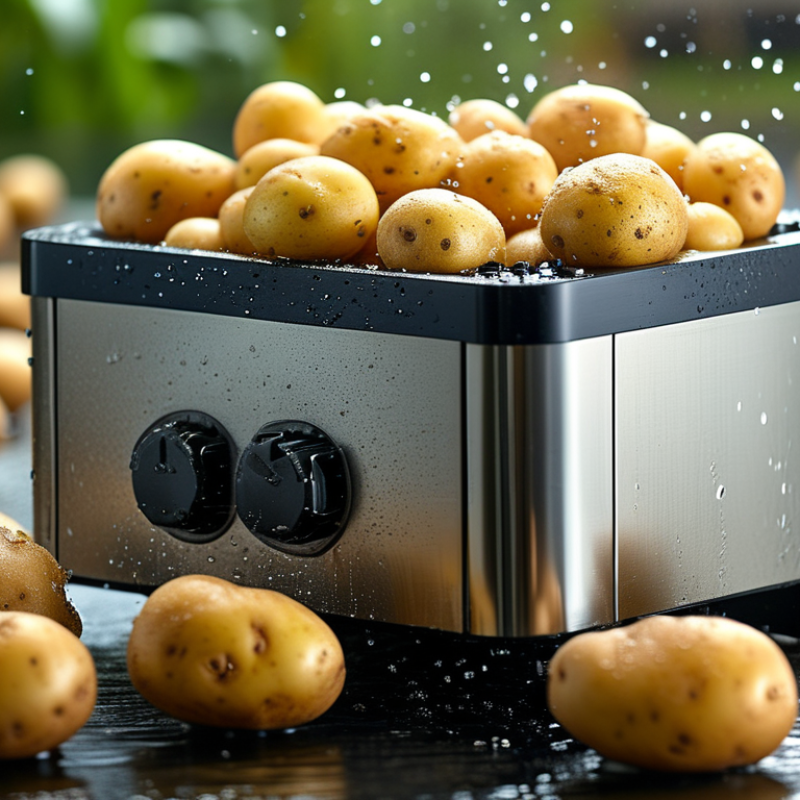
Potato blanching machines are crucial in food processing. They help preserve the color, flavor, and nutritional value of potatoes. Blanching also removes surface bacteria, ensuring a safer product. Understanding their role can significantly enhance the quality of your potato products.
When choosing a blanching machine, consider capacity and efficiency. A machine that matches your output needs will save time and resources. Pay attention to the heating method. Steam blanchers are often preferred. They use less water and energy.
**Tips:** Always check for user reviews. Feedback from other customers provides valuable insights. Make sure your machine is easy to clean. A well-maintained machine promotes hygiene. Lastly, consider the energy consumption. A lower energy usage means savings in the long run.
Deciding on the right machine can be daunting. Be open to adjusting your preferences. Your production needs may change over time. Research and evaluate regularly to ensure optimal performance. The right potato blanching machine can make a significant difference in your processing plant.
Potato Blanching Machine Performance Comparison
Key Factors to Consider When Selecting a Blanching Machine
When choosing a potato blanching machine, several key factors are crucial. The machine's capacity should match your production scale. A larger facility may need machines with higher output. Smaller operations might benefit from compact designs. Think about the volume of potatoes you process regularly. Efficiency in blanching can save time and reduce energy costs.
Temperature control is another significant aspect. Proper blanching involves maintaining specific temperatures to inactivate enzymes. Machines with precise temperature settings will ensure consistent results. Look for units with reliable heating systems. Inconsistency can lead to undercooked or overcooked potatoes, affecting quality.
Ease of cleaning is essential for any food processing equipment. Machines should have accessible parts for effective maintenance. Regular cleaning can prevent cross-contamination and maintain hygiene standards. An overlook in cleanliness may pose risks. Lastly, consider the durability of the materials used. Stainless steel is often preferred, as it is robust and resistant to corrosion. Investing thoughtfully in these factors will enhance your potato processing experience.
Types of Potato Blanching Machines Available on the Market
When considering a potato blanching machine, it's essential to understand the various types available. Each type serves different needs in food processing. The most common machines include batch blanchers, continuous blanchers, and steam blanchers.
Batch blanchers are ideal for smaller operations. They process one batch at a time, making them suitable for businesses with lower volumes. On the other hand, continuous blanchers are designed for higher output. They allow for a steady flow of potatoes, increasing efficiency but requiring more space and investment. Lastly, steam blanchers offer a more gentle approach. They preserve flavor and nutrients but may not be suitable for all types of operations.
Choosing the right one isn't easy. Users should consider factors like volume, space, and budget. Consideration of processing times and energy efficiency is critical, too. Testing a few options can provide insight into performance. Balancing cost and efficiency often leads to questions. Are cheaper machines less durable? Do high-end models justify the expense? These are reflections worth exploring as you make a decision.
How to Choose the Best Potato Blanching Machine for Your Needs?
| Machine Type |
Capacity (kg/h) |
Heating Method |
Energy Source |
Price Range ($) |
| Batch Blanching Machine |
100-150 |
Steam |
Electric |
3000-5000 |
| Continuous Blanching Machine |
200-500 |
Hot Water |
Gas |
5000-8000 |
| Vacuum Blanching Machine |
50-100 |
Steam |
Electric |
6000-9000 |
| Hydro Blanching Machine |
150-300 |
Hot Water |
Electric |
4000-7000 |
| Multi-Purpose Blancher |
50-200 |
Steam/Water |
Gas/Electric |
3500-6500 |
Evaluating the Efficiency and Performance of Blanching Equipment
When selecting a potato blanching machine, efficiency and performance are critical aspects to consider. A high-capacity machine should process large batches quickly without compromising quality. Check machine specifications for temperature control features. Consistent temperature ensures even blanching, which affects the final product's texture and taste.
Tips for evaluating machines include assessing energy consumption. Machines with lower energy requirements save costs in the long run. Consider also the ease of cleaning and maintenance. Equipment that is hard to clean can lead to bacteria build-up.
Another vital factor is the size of the machine. Ensure it fits your production space and workflow. Sometimes, larger machines aren’t always better. They can complicate the process, making operations less efficient. Conducting a trial run can reveal if a machine meets your efficiency needs. Choosing the right blanching equipment takes careful thought and practical testing.
Cost Considerations and Budgeting for a Potato Blanching Machine
When considering the purchase of a potato blanching machine, budgeting is crucial. The initial cost can vary widely, from a few hundred to several thousand dollars. Evaluate your production needs carefully. A more expensive model may offer efficiency and durability, but are those necessary for your operation? Do thorough research to match your requirements with the right machine.
Include maintenance costs in your budget. This often-overlooked factor can add significantly to your overall expenditure. Regular servicing is vital to keep the machine operational. Spare parts and repairs can be frustratingly unpredictable. It's wise to allocate funds for these unexpected expenses. Understand your total cost of ownership for a clearer financial picture.
Consider used machines as an option. They can provide considerable savings but may come with hidden problems. Thoroughly inspect any used equipment before purchasing. Sometimes, cheaper options mean more frequent breakdowns or inefficiency. It’s essential to weigh the upfront savings against potential long-term costs. Investing in quality, even at a higher price, may ultimately prove to be more cost-effective.