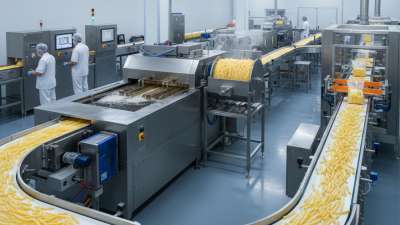
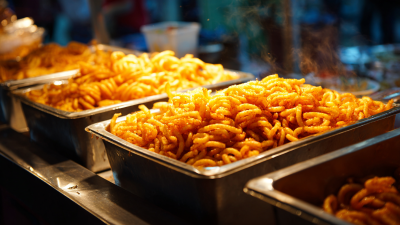
How to Choose the Best French Fries Processing Line for Your Business?
Choosing the right French Fries Processing Line for your business is essential. With the growth of the fast-food industry, the demand for quality French fries has increased. Industry expert John Smith, who has over 15 years of experience in food processing technology, states, “The right processing line can significantly enhance your product’s quality and profitability.”
When selecting a French Fries Processing Line, consider factors such as efficiency, capacity, and technology. Each business has unique needs. A small restaurant may not require the same high-capacity machine as a large-scale manufacturer. Analyzing your production goals will lead you to better options.
Quality is non-negotiable. Look for lines that ensure uniform cutting and high cooking standards. Remember, not every machine suits every business. Investing time in research, consultation, and even trials can provide insights. Striking the right balance between cost and quality can be challenging but vital for success.
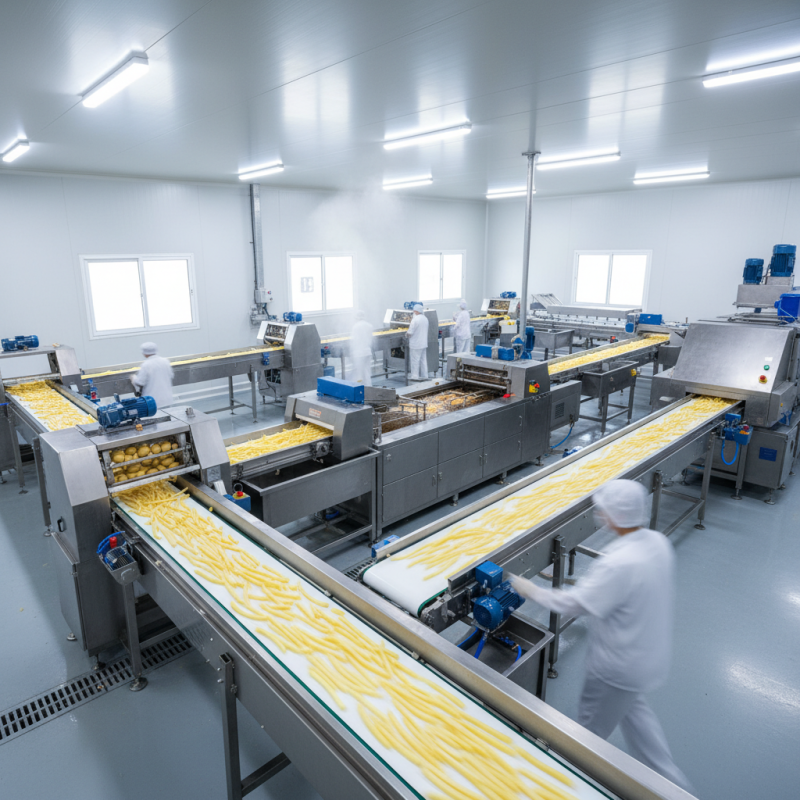
How to Assess Your Business's Needs for French Fries Production
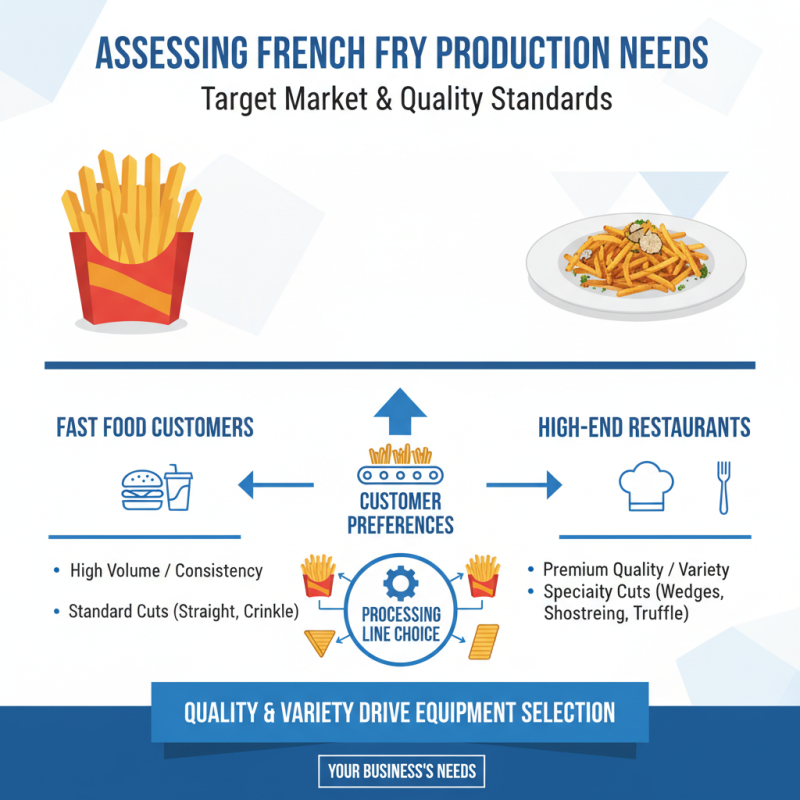
When evaluating your business's needs for French fries production, it’s crucial to consider your target market. Are you serving fast food customers, or are you aiming for high-end restaurants? Different markets demand different standards of quality and variety. Understanding customer preferences can direct your choice of processing line. You may require a line that accommodates specific cuts, such as crinkle-cut or wedges.
Next, assess your production capacity. How much volume do you intend to process daily? Consider fluctuations in demand. Seasonal peaks can change your production needs. It’s also vital to reflect on your operating space. A compact processing line may be ideal for smaller facilities, while larger operations might afford expansive setups. This fosters a balance between space efficiency and production capability.
Additionally, think about the level of automation you wish to integrate. Fully automated lines can streamline processes and reduce labor costs. However, they come with higher upfront costs. Semi-automated options provide flexibility and might be more suited for startups testing the waters. It’s an imperfect balance—each choice carries risks and benefits, prompting deeper analysis of your long-term goals.
Understanding the Different Types of French Fries Processing Equipment
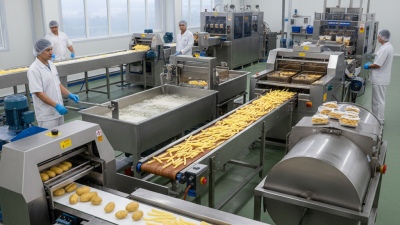
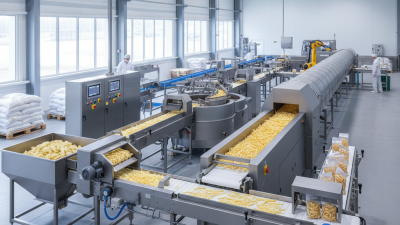
When selecting the right French fries processing equipment, it's essential to understand the available types. A well-informed decision can significantly impact your business efficiency and product quality. Key equipment includes peelers, cutters, blanchers, fryers, and packaging machines. Each plays a vital role in ensuring perfectly cooked fries.
A tip for choosing equipment is to assess your production volume. Larger operations may benefit from high-capacity fryers and automated cutting machines. Smaller businesses might find manual equipment sufficient. Always consider the space your equipment will occupy. Compact machines can save valuable floor space while still maintaining productivity.
Also, think about your end product. Different frying techniques can achieve varying textures and tastes. For instance, batch fryers provide more control but require more labor. Automated systems are efficient but may lack the personal touch. Remember to analyze maintenance needs as well. Investing in reliable equipment can reduce downtime and improve quality over time.
French Fries Processing Equipment Comparison
Key Features to Look for in a French Fries Processing Line
When selecting a French fries processing line, it’s crucial to understand key features that can greatly impact your production efficiency. The industry reports indicate that the global market for potato processing equipment is projected to reach $3.5 billion by 2025, highlighting the potential profitability of investing in advanced processing technology.
One important feature to consider is the line's capacity. A processing line that can handle at least 1,000 kg of raw potatoes per hour allows for greater production scaling. Automated systems that reduce manual labor can also improve your operational efficiency. According to industry benchmarks, automation can increase production rates by up to 30%, so investing in automation technology may pay off in the long run.
Another vital aspect is the versatility of the processing line. Look for equipment that can handle different cuts and sizes of fries. A study found that 45% of consumers prefer thicker fries, while many still enjoy the traditional thin cut. This flexibility can cater to diverse consumer preferences and expand your product range. In addition, ensure that the line is energy-efficient, as it can reduce operational costs. German studies have shown that energy-efficient machines can save up to 20% in power consumption. Evaluating these features thoroughly can significantly influence your business success in the competitive French fries market.
Evaluating Production Capacity and Scalability Options in Processing Lines
Choosing the right processing line for French fries is crucial. A key aspect to consider is the production capacity. It directly influences your ability to meet market demand. When evaluating options, look at the line's output per hour. A line with a higher capacity can help you serve more customers and increase profit margins.
Scalability is another significant factor. As your business grows, your processing line should adapt. Look for equipment that can handle increased volumes without compromising quality. Modular designs are often favored for their flexibility. This allows you to add components as needed.
Tip: If your production volume varies seasonally, consider a processing line that offers adjustable settings. This can optimize efficiency during peak times and minimize waste during slower periods.
Another tip is to analyze energy consumption. Equipment that operates efficiently can reduce overall costs. High operational costs can lead to unexpected challenges. It's essential to strike a balance between capacity and energy efficiency for sustainable growth.
Analyzing Cost-Effectiveness and ROI of French Fries Processing Solutions
Choosing the right French fries processing line is crucial for maximizing profitability. Analyzing cost-effectiveness involves understanding initial investment and ongoing operational costs. A report from the Food Processing Technology Association indicates that modern processing lines can reduce labor costs by up to 30%. This is significant for businesses looking to improve margins.
Returning on investment (ROI) also plays a vital role. Studies show that efficient processing lines can achieve payback periods within 12 to 24 months. Factors contributing to this include energy efficiency and automation. A well-designed processing line can enhance yield by reducing waste, increasing the amount of quality fries produced. Industry benchmarks suggest that optimizing machinery can lead to a 15% boost in productivity.
However, not every solution suits every business. Individual circumstances can make a seemingly great option less effective. Some companies experience challenges such as integration with existing systems. Misalignment can lead to inefficiencies. It's essential to consider these aspects before committing to a decision. By conducting thorough research and analysis, businesses can identify the right fit that meets both operational needs and financial goals.
How to Choose the Best French Fries Processing Line for Your Business? - Analyzing Cost-Effectiveness and ROI of French Fries Processing Solutions
| Processing Line Type |
Initial Investment ($) |
Annual Operating Cost ($) |
Hourly Output (kg) |
Estimated ROI (%) |
| Small Scale Manual Line |
10,000 |
5,000 |
50 |
150% |
| Semi-Automatic Line |
30,000 |
10,000 |
200 |
200% |
| Fully Automatic Line |
100,000 |
30,000 |
500 |
250% |
| Advanced High-Capacity Line |
200,000 |
50,000 |
1000 |
300% |