How to Choose the Best Cut Potatoes Into Fries Machine?
Choosing the right Cut Potatoes Into Fries Machine is essential for efficient operations. A perfect machine can transform raw potatoes into delicious fries quickly. However, selecting the best one isn't always straightforward.
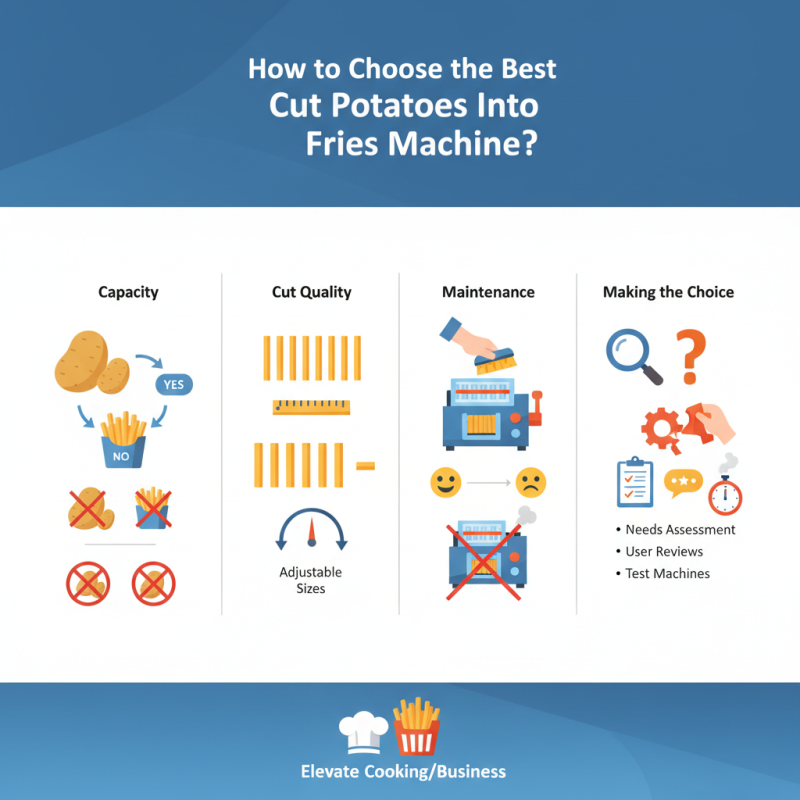
Consider the machine's capacity. Some devices may not meet your production needs. Waste can happen if the machine is too small or too large. Also, think about the quality of the cut. Uniform fries cook evenly, enhancing texture and taste. Features like adjustable cutting sizes make a significant difference.
Don't overlook maintenance requirements. A machine that’s hard to clean can slow you down. Frequent breakdowns can lead to frustration. Reflecting on your specific needs can help you avoid costly mistakes. Test various machines and read user reviews. The right Cut Potatoes Into Fries Machine can elevate your cooking or business.
Understanding the Different Types of Potato Cutting Machines
When selecting a potato cutting machine, it's crucial to understand the different types available. Each type caters to specific needs, whether for a small kitchen or a large restaurant.
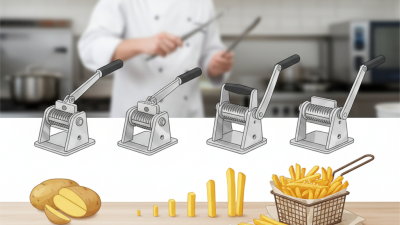
The most common varieties include manual cutters, electric slicers, and industrial machines. According to industry reports, electric fry cutters can process up to 300 pounds of potatoes per hour, streamlining large-scale operations. Manual machines, while slower, offer a more hands-on approach for small-scale uses, with accuracy in every cut.
Tips: Ensure the blade's material is high-quality. Stainless steel blades are durable and easier to clean.
Electric machines often come with various slicing options, allowing for versatility in fry thickness. Users report that adjusting thickness can influence cooking times and texture, so it's essential to experiment. In contrast, industrial machines, while efficient, may require higher maintenance and can lead to potential wastage if not used correctly. A common oversight is ignoring the size of input potatoes; using improperly sized potatoes can complicate the cutting process.
Tips: Regular maintenance can prolong the longevity of your machine. Don't overlook the importance of cleaning after every use.
Evaluating the Size and Capacity of the Fries Machine
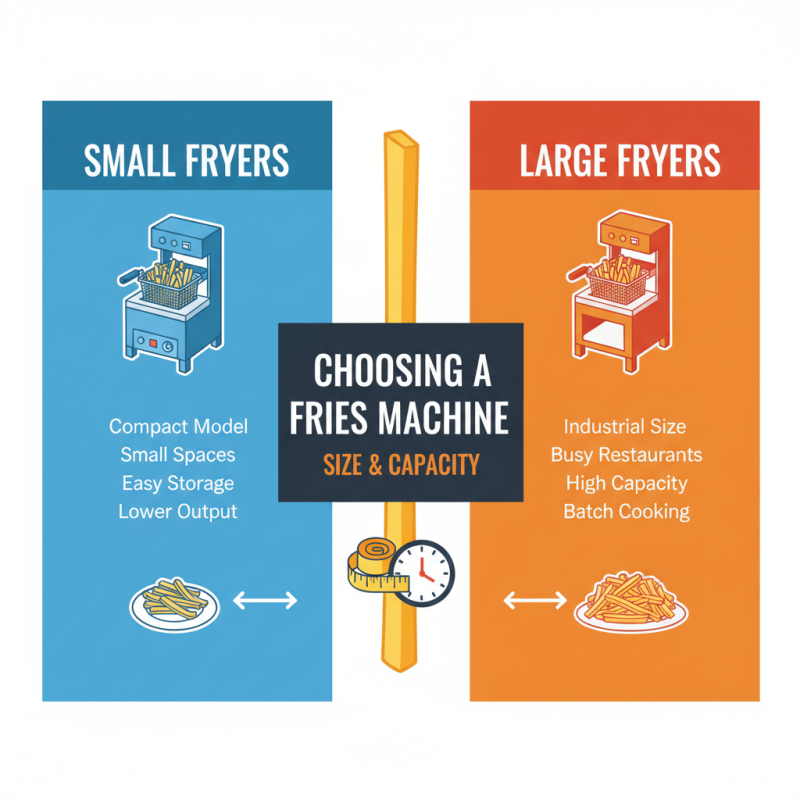
When choosing a fries machine, size and capacity are crucial factors. The machine’s dimensions should fit comfortably in your kitchen or workspace. A compact model might work for small spaces. It allows easy storage and access. However, a larger machine can handle bigger batches. It is beneficial for busy restaurants.
Consider how much you plan to produce daily. Estimating the fry output is not always straightforward. You may think you need a larger machine, but smaller operations can suffice. A machine with a capacity of 10-20 pounds might be ideal for moderate demand. But if you serve fry dishes regularly, a 30-pound capacity could be more appropriate.
Think about the type of potatoes you will use. Different models may excel with specific cuts or kinds of potatoes. Some machines may struggle with thicker cuts. Look for options that offer versatility in size cut settings. Reflect on your needs and preferences. It’s not just about size; it’s about what works best for you. You might face challenges initially, but careful evaluation can lead to better choices.
Key Features to Look for in a Potato Cutting Machine
When looking for a potato cutting machine, key features are vital. Pay attention to the blade type. A quality machine should have sharp, durable blades. They determine the consistency of your fries.
For best results, choose machines with adjustable blade sizes. This allows for various fry thicknesses.
Tip: Consider machines that offer easy cleaning options. A machine that’s hard to clean can lead to food safety issues. It’s crucial to keep hygiene in mind. Stainless steel parts are preferable for durability and cleanliness.
It's important to reflect on your kitchen space. Some machines can be bulky. Ensure it fits comfortably on your countertop. Lightweight options may be convenient, but they shouldn’t compromise quality. Balance is essential.
Tip: Look for user-friendly controls. Complicated machines can lead to frustration. Check online reviews for insights on ease of use. Choosing the right machine requires careful consideration. Aim for something that suits your cooking style.
Assessing the Ease of Use and Maintenance Requirements
When choosing a potato cutter for fries, ease of use is critical. Operators should feel comfortable using the machine daily. A study by the Food Equipment Manufacturers Association highlights that nearly 70% of kitchen staff prioritize user-friendly design. Simple controls, ergonomic handles, and lightweight construction can enhance efficiency.
Maintenance is often overlooked but essential for longevity. Machines should be easy to clean and service. A report from the National Restaurant Association reveals that about 30% of kitchen devices fail due to poor upkeep. Regular maintenance checks can help prevent costly repairs and downtime. However, some models might be challenging to take apart for cleaning. This could lead to food residue build-up, which poses health risks.
Consider the materials used in construction. Stainless steel is preferred for its durability and ease of cleaning. Some machines might use cheaper materials, making them prone to rust or damage. A thorough review of product specifications is necessary. Not all machines are created equal. Balancing ease of use with reliable maintenance requirements can be challenging. Ultimately, the right choice should enhance productivity while keeping safety as a priority.
Budget Considerations When Choosing a Fries Cutting Machine
When selecting a potato cutting machine, budget is often the most critical factor. A professional report from the Food Machinery Association indicates that the average cost of commercial potato cutting machines ranges from $1,000 to $5,000. The wide price range reflects features, capacity, and durability. However, many new businesses may find it challenging to allocate significant funds upfront.
For smaller establishments, options are available under $1,000, but these machines may lack efficiency. High volume operations might require investing in machines at the higher end of the spectrum. Performance varies significantly. According to recent studies, a machine that performs well under high demand can yield up to 300 pounds of fries per hour. In contrast, lower-cost models may struggle to exceed 100 pounds, leading to bottlenecks during rush hours.
It's essential to consider not just the purchase price. Maintenance costs can add up quickly. Industry experts suggest budgeting an additional 15% of the initial purchase cost annually for maintenance and repairs. Furthermore, features like the ease of cleaning and replacement parts availability should not be overlooked. Investing too little can lead to frustration and a loss of productivity. Budgeting wisely is key to making a well-informed decision.
Budget Considerations for Choosing the Best Potato Cutting Machine
This chart represents the performance rating of potato cutting machines across different budget ranges. As the budget increases, the performance rating typically improves, reflecting better efficiency and reliability in production.