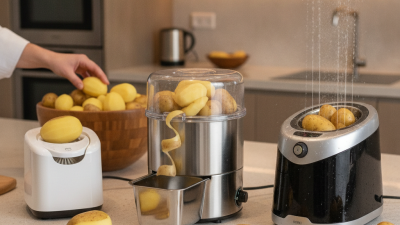
Why Choose a Potato Chip Seasoning Machine for Your Business?
In today's competitive snack industry, businesses striving for success must focus on quality and flavor. A Potato Chip Seasoning Machine is essential for achieving consistent seasoning across every batch. This equipment allows for precise application of spices, ensuring that every chip bursts with flavor.
Investing in a Potato Chip Seasoning Machine can enhance your production line. It streamlines the seasoning process, reducing labor and minimizing waste. This machine offers versatility, accommodating various seasoning blends. This adaptability can invigorate your product line and attract a broader customer base.
However, businesses must reflect on their specific needs. Not every machine suits every operation. Understanding your capacity and desired flavors is crucial. While some may find the initial cost daunting, the long-term benefits often outweigh these concerns. Ultimately, a Potato Chip Seasoning Machine can be a game-changer for your business growth.
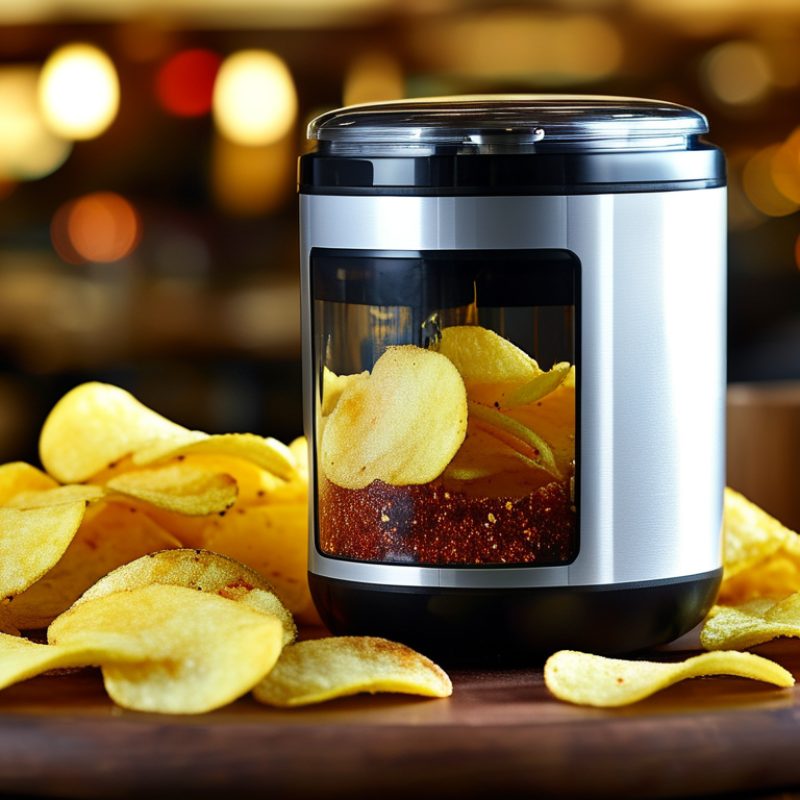
Advantages of Using a Potato Chip Seasoning Machine for Production
The potato chip seasoning machine is a game-changer for snack production. It ensures consistent flavoring of each chip, eliminating the variability that manual seasoning often introduces. This reliability enhances product quality and customer satisfaction, as every batch meets the same high standards. Automation also speeds up production, allowing businesses to increase output without sacrificing taste.
Investing in this machinery facilitates scalability. As demand grows, the machine can handle larger volumes efficiently. This helps meet customer needs without the stress of increased labor costs. However, companies must consider the initial investment and ongoing maintenance of the machine.
A well-calibrated seasoning machine can minimize waste by applying the exact amount of seasoning needed. This precision not only saves money but also reduces flavor imbalance. Workers may require training, and adjustments are sometimes needed to optimize the machine for specific recipes.
When planning your seasoning process, keep variations in seasoning levels in mind. Test different combinations to discover the most popular flavors. Adaptation is key; don't shy away from tweaking recipes as you learn from customer feedback. Understanding your audience is essential for continuous improvement.
Key Features to Look for in a Potato Chip Seasoning Machine
When considering a potato chip seasoning machine, certain features stand out. Look for machines with adjustable settings that allow you to control the amount of seasoning. This feature ensures that every batch has consistent flavor. A machine with a stainless steel build is also valuable. It ensures durability and ease of cleaning, reflecting reliability.
Another key aspect is the machine's production capacity. If you anticipate high demand, select a model that can handle large volumes efficiently. This capability helps in meeting customer expectations without delays. Find machines that offer versatility as well. A model that can handle different seasonings provides flexibility in product offerings.
Cost-effectiveness is crucial too. It’s important to balance initial investment against long-term benefits. Sometimes, a cheaper machine may require more maintenance. Seek machines with warranties or good after-sale support. These can provide peace of mind and reduce unexpected expenses. As you explore options, don’t overlook user reviews and testimonials. They can reveal practical insights that might not be apparent at first glance.
Cost-Effectiveness of Automating Seasoning Processes
Automating the seasoning process with a potato chip seasoning machine offers significant cost-effectiveness. Many businesses often overlook this technology’s potential to minimize labor costs. According to recent industry reports, companies can reduce seasoning labor expenses by up to 30% with such machines. This automation enhances accuracy in flavor distribution, significantly decreasing ingredient waste.
Operational efficiency is another critical factor. Studies indicate that an automated system can season chips at a rate of 200 kilograms per hour. In contrast, manual seasoning takes considerably longer and can vary in quality. Consistency in flavor is vital; customers expect uniform taste. Automated machines help businesses meet these expectations while maintaining low operational costs.
However, the initial investment may raise concerns. Some small businesses hesitate to make this leap due to perceived high upfront costs. Nevertheless, analysis reveals that the return on investment is often realized within the first year of operation. Many operators witness improved productivity and sales growth following automation. It is essential for businesses to weigh these benefits against their budget and consider long-term gains. Reflecting on overall efficiency and customer satisfaction can be a turning point for many firms.
How Potato Chip Seasoning Machines Enhance Flavor Consistency
Potato chip seasoning machines are transforming the snack food industry. These machines ensure flavor consistency, a key factor for consumer satisfaction. According to a report by the Snack Food Association, 65% of consumers prefer products with consistent flavor profiles. This statistic highlights the importance of accurately applying seasonings on each chip.
Flavor consistency comes from controlled application processes. These machines utilize advanced technology to evenly distribute seasonings. As a result, the risk of over-seasoning or under-seasoning is minimized. Some manufacturers report a 30% reduction in seasoning waste when using these machines. This efficiency is crucial for managing production costs.
However, not all machines are created equal. Some might struggle with moisture regulation, leading to clumping of seasonings. Others may require frequent maintenance. Businesses need to choose machines that offer reliability and ease of use. Feedback from operators indicates that ease of cleaning is vital for maintaining quality and safety standards. Investing in the right equipment can yield better flavor consistency and higher customer satisfaction.
Impact on Operational Efficiency and Labor Savings in Snack Production
Investing in a potato chip seasoning machine can significantly enhance operational efficiency. Automating the seasoning process reduces manual labor and decreases the chances of inconsistent flavoring. With precise control over seasoning amounts, manufacturers can achieve uniform taste across batches. This consistency is crucial for maintaining customer satisfaction and brand reputation.
Labor savings are another vital benefit. Relying on machines for seasoning means fewer staff are needed for repetitive tasks. Employees can focus on higher-level responsibilities, improving overall productivity. However, transitioning to automated systems can lead to challenges. Some staff may need retraining, and adjustments to workflow may be necessary. These shifts require careful planning but ultimately lead to a more streamlined production process.
Potential downsides should not be overlooked. Initial investments in technology can be steep, and not all machines may deliver the expected results. Regular maintenance and updates are necessary to keep equipment running efficiently. Businesses must weigh these factors against the long-term benefits of automation in their snack production lines.