Leave Your Message

China Top 10 Potato Chips Slicer Cutter Manufacturers

Choosing a Potato Chips Slicer Cutter is not just a matter of comparing prices. Blade design, slice thickness, throughput, and cleaning access can all affect daily production. A machine that cuts uniform slices on paper may behave differently with real potatoes. Small details matter.

This guide to China’s top 10 potato chips slicer cutter manufacturers helps buyers compare suppliers through practical criteria, including product range, customization options, technical documentation, and after-sales support. It is an introduction, not a substitute for factory checks or product testing. Ask for clear specifications, sample cuts, and details about materials that contact food. If possible, inspect the machine under conditions close to your intended production process. That takes testing.

Supplier claims deserve careful review. A polished catalog does not prove consistent output, and a low quotation may leave important service terms unclear. Compare lead times, spare-part availability, installation support, and warranty coverage in writing. Also consider whether the manufacturer can explain blade replacement and routine cleaning without vague promises. These checks can make supplier discussions more useful and reduce avoidable surprises. Still, no shortlist can predict every buyer’s needs; production volume, potato varieties, and operator experience all matter. Use the profiles that follow as a starting point, then verify each detail directly with the manufacturer.
China Top 10 Potato Chips Slicer Cutter Manufacturers

Understanding Potato Chips Slicer Cutters and Their Role in Production

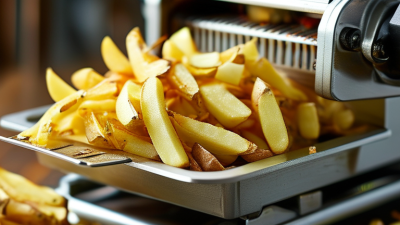
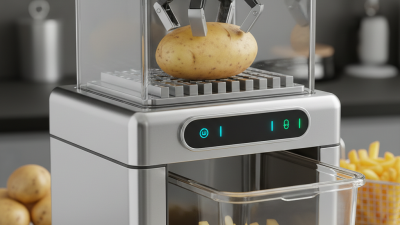
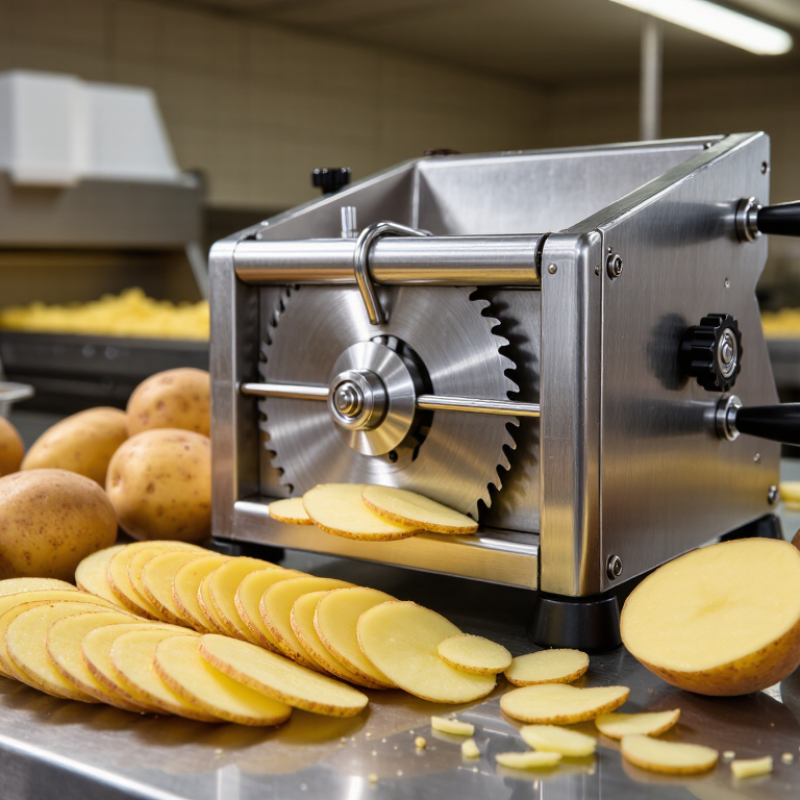
A potato chips slicer cutter turns washed potatoes into slices with a thickness suited to the chosen product. Its blades may be arranged as a rotating disc or a set of parallel knives. The right setup depends on potato size, feed rate, and the texture a producer wants. Small changes matter. A fraction of a millimeter can affect frying time and crispness.

In production, operators watch more than the blade. They check whether potatoes feed steadily, slices stay consistent, and cut surfaces look clean rather than torn. Uneven slices can fry at different speeds, leaving some pale and others too dark. That is not always caused by the cutter alone; potato shape and condition also play a part. A quick visual check helps, but it cannot replace measured thickness checks.

Blade sharpness and alignment need regular attention. Dull edges may crush potato tissue, while a poorly seated blade can create uneven cuts or vibration. Cleaning routines should follow the machine maker’s instructions, with power isolated before hands approach the cutting area. There is a trade-off, too: faster feeding can raise output, but it may reduce consistency. Operators sometimes discover this the hard way. Record blade changes, slice measurements, and feed settings, then adjust one variable at a time.
Key Features and Types of Potato Chips Slicer Cutters

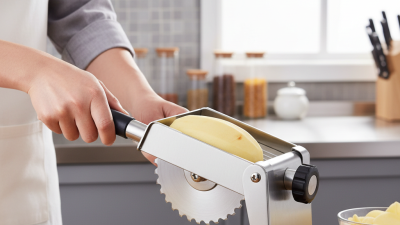
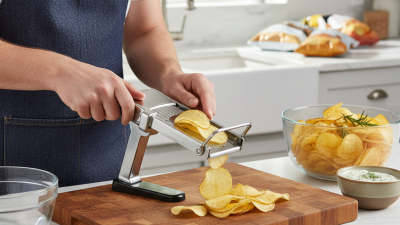
Potato chips slicer cutters differ in how they feed, hold, and slice potatoes. A manual mandoline-style cutter suits small batches and simple kitchens. Its adjustable blade can produce thin slices, but consistent thickness depends on steady pressure. A hand-cranked rotary cutter may feel easier during longer sessions, though its feed opening limits potato size.

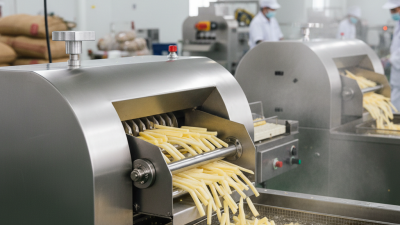
For higher output, commercial machines often use a powered feed and interchangeable cutting discs. Straight blades make familiar flat chips, while crinkle blades create ridged slices that hold seasoning differently. Check whether the blade gap can be adjusted in small increments. A test slice tells more than a brochure. Look for stable feet, guarded blades, and parts that can be removed for cleaning. Wet potato starch can cling around blade edges.

Capacity matters, but it is not the only measure. A fast cutter may still produce uneven slices if potatoes vary in shape or are pushed inconsistently. That matters. Compare the usable slice range, cleaning time, and replacement-blade availability before choosing. Stainless steel contact parts are practical in damp work areas, while a compact countertop model may be easier to store. There is no perfect setting for every potato; even a well-made cutter needs occasional adjustment and careful handling.

How to Evaluate Chinese Potato Chips Slicer Cutter Manufacturers

Evaluating Chinese potato chips slicer cutter manufacturers requires more than comparing catalog prices. FAOSTAT reports global potato production at roughly 375 million tonnes in 2022, highlighting the scale and variation of the raw-material supply. A capable supplier should explain how its cutter handles different potato sizes, firmness, and moisture levels. Ask for a live test using your own potatoes, not only demonstration footage. Small details matter.

During the trial, record slice thickness, breakage, output per hour, and cleaning time. Request the test conditions in writing; a speed figure without potato size or operating duration is hard to compare. Check whether food-contact surfaces are documented, and inspect welds, guards, bearings, and blade replacement access. Ask for drawings, a parts list, and a clear warranty process. For context, FAOSTAT’s production data describes crop volume, not machine performance, so it cannot verify a supplier’s claims. A factory visit or independent acceptance test can fill that gap. I would still treat one successful trial cautiously: blades wear, and results can change between batches.

China Top 10 Potato Chips Slicer Cutter Manufacturers - How to Evaluate Chinese Potato Chips Slicer Cutter Manufacturers

A 10-point supplier evaluation checklist. It compares verifiable equipment and supplier information; it is not a verified ranking of manufacturers.

No. Evaluation Dimension What to Check Evidence to Request Comparison Guidance
1 Food-contact materials Identify the materials used for product-contact surfaces, including the hopper, feed parts, and cutting components. Material specifications, supplier declarations, and applicable test reports. For China-market products, check relevant GB 4806 requirements; for EU-market products, assess applicable food-contact rules, including Regulation (EC) No 1935/2004. Confirm that documents identify the actual materials and intended conditions of use; do not rely on a general “food grade” claim alone.
2 Slice-thickness adjustment Check the stated adjustment range, adjustment method, and whether settings can be repeated reliably. Operating manual, dimensional drawings, and sample cuts taken at several settings. Compare the demonstrated range with the target product specification; verify actual slice thickness rather than relying only on brochure figures.
3 Cut quality and consistency Assess thickness variation, breakage, edge quality, and performance with the buyer’s potato varieties and feed conditions. A witnessed trial or recorded sample test using agreed raw materials and operating settings. Set acceptance limits before testing and compare samples under the same conditions.
4 Throughput and operating conditions Review rated capacity and the conditions used to calculate it, such as potato size, feed method, and slice setting. Technical data sheet and a timed production test with recorded input and output weights. Compare capacity only when test conditions match; distinguish rated output from sustained production performance.
5 Blade design and maintenance Check blade material specifications, replacement procedure, sharpening guidance, and availability of spare blades. Blade drawings, maintenance instructions, and a spare-parts list with part numbers and lead times. Confirm that routine replacement can be completed safely and that compatible parts can be ordered for the expected service life.
6 Machine safety Inspect access to moving blades, guards, emergency-stop arrangements, and safe procedures for cleaning and blade changes. Risk assessment, safety instructions, machine drawings, and relevant conformity documentation for the destination market. Check the complete machine and intended use; a component certificate alone does not establish machine-level conformity.
7 Cleaning and sanitation Review access to product-contact areas, removable parts, drainage, and cleaning steps. Cleaning instructions, disassembly demonstration, and photographs or drawings of product-contact areas. Confirm cleaning procedures suit the site’s hygiene program and do not expose electrical components to unsuitable washdown.
8 Electrical and utility compatibility Verify voltage, frequency, phase, motor rating, plug or connection type, and any compressed-air or water requirements. Electrical schematic, nameplate details, and installation requirements. Match the machine configuration to the installation site before placing an order; confirm any requested electrical changes in writing.
9 Quality control and traceability Check incoming-material controls, assembly inspection, functional testing, and machine identification records. Inspection checklist, sample test record, serial-number policy, and applicable quality-system documentation. Prefer records that are specific to the ordered machine and can be reviewed before shipment.
10 Warranty, service, and delivery Review warranty scope, exclusions, response channels, spare-parts lead times, packaging, and agreed delivery terms. Written warranty terms, service contact process, parts quotation, packing details, and signed order specifications. Compare total ownership requirements and contractual commitments, not just the purchase price or quoted lead time.

China’s Top 10 Potato Chips Slicer Cutter Manufacturers

China’s Top 10 Potato Chips Slicer Cutter Manufacturers is a useful starting point for buyers comparing equipment, not a guarantee of quality. Manufacturers may offer different blade layouts, feed systems, and output capacities. Check whether a machine can produce the slice thickness your process needs. Even a small variation can affect frying time and texture.

Ask for practical specifications, including cutting capacity, blade material, adjustment range, and cleaning access. Request a demonstration with potatoes similar in size and firmness to yours. Watch how slices leave the cutter: Are they even? Does the machine clog when fed continuously? Clear answers matter. So does the service plan. Confirm spare-part availability, installation support, and operator training before comparing prices.

A supplier’s technical documents should match the machine being quoted. Compare stated output with a real test, and ask how results were measured. Photos are not enough. A short video helps, but it cannot replace a sample run. I would also inspect welds, guards, and the ease of removing blades for cleaning. No shortlist is perfect. Buyer requirements differ, and a lower-cost cutter may suit a small line better than a high-output model. Keep records of trial results; that detail is easy to overlook.

China’s Top 10 Potato Chips Slicer Cutter Manufacturers

A non-brand-specific reference to typical potato chip slice thicknesses—not a manufacturer ranking.

Typical settings vary by slicer, potato variety, and processing conditions. Confirm the required thickness with the equipment supplier before production.

Choosing the Right Manufacturer for Your Production Needs

Choosing a potato chips slicer cutter manufacturer starts with your actual product, not the machine’s headline capacity. FAO’s FAOSTAT 2022 crop data records global potato production at roughly 375 million tonnes, underscoring the scale and variability of the raw-material supply. Potato size, moisture, and shape can change slicing results. Ask manufacturers to test your potatoes and target thickness, then inspect samples for consistent slices and breakage. A crisp chip starts with a controlled cut.

Compare throughput at your required slice thickness, not just the maximum figure on a brochure. Check blade adjustment, feed stability, food-contact materials, cleaning access, and spare-part lead times. Ask for a factory acceptance test using your own product. Request measured output, slice-thickness variation, and waste figures. I would also watch a full cleaning cycle. It can reveal awkward guards or hard-to-reach corners. One trade-off remains: a faster line may need more careful calibration.

Tips: Send the same potato variety and size range to each shortlisted supplier. Ask for a written test report, operating instructions, and maintenance schedule. If possible, run a small production trial before committing. It takes time. But a polished demonstration may not reflect a long shift on your factory floor.