China Top Potato Blanching Machine Insights and Innovations?
The global potato processing industry is rapidly evolving, with the demand for efficient machinery increasing. The market for Potato Blanching Machines is expected to grow significantly. According to a recent report by Market Research Future, the global potato processing equipment market is projected to reach $4.5 billion by 2026, driven by the rising popularity of frozen potato products.
Experts like Dr. Liu Wei, a leading figure in food processing innovation, emphasize the importance of technology in this sector. He states, "The Potato Blanching Machine is crucial for enhancing product quality and extending shelf-life." As companies strive to meet consumer expectations, advances in blanching technology become essential. Blanching not only preserves color and texture but also reduces microbial load, making it a vital process.
Despite these advancements, challenges remain. Many producers struggle with energy efficiency and waste reduction. Enhancing the performance of Potato Blanching Machines requires ongoing research and development. While innovation is paramount, it is clear that the industry must also focus on sustainability and cost-effectiveness to keep pace with changing market demands. This balance will shape the future of potato processing technology.
Overview of Potato Blanching Techniques in China
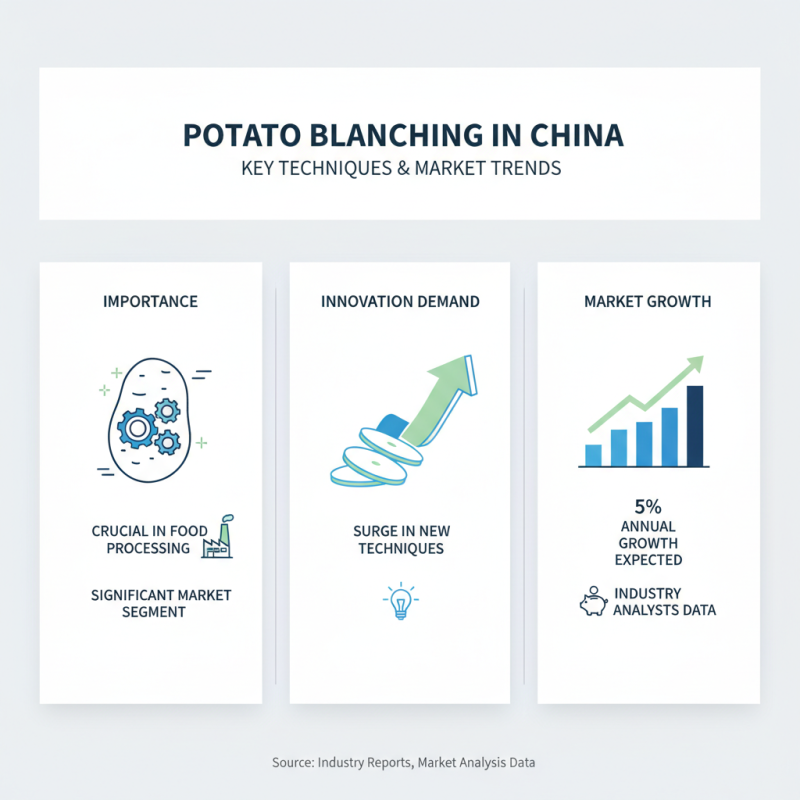
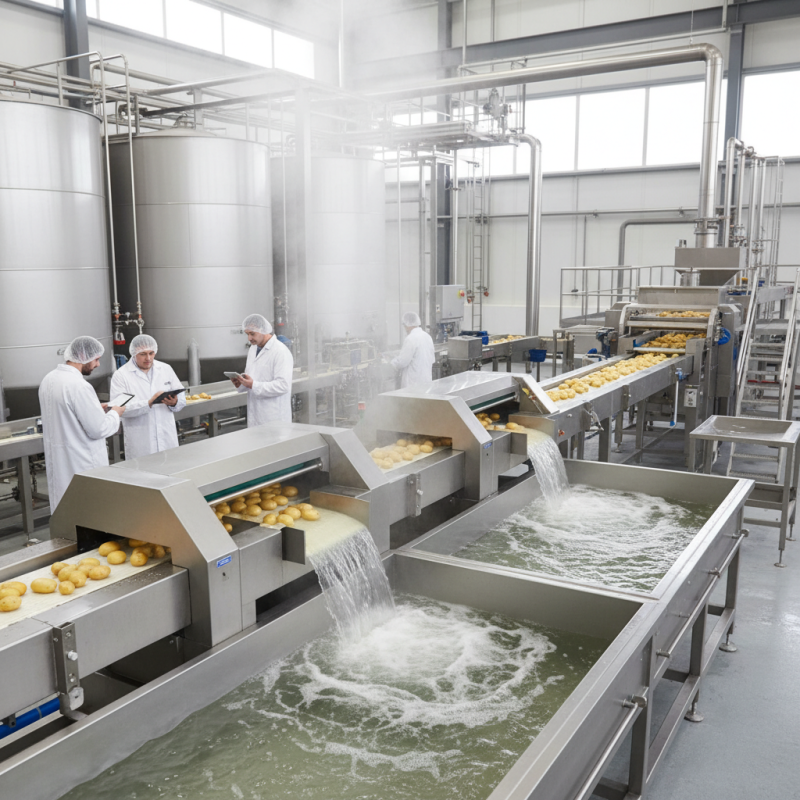
Potato blanching is crucial in food processing, particularly in China. Industry reports suggest that potato products make up a significant segment of the country’s processed food market. In recent years, the demand for innovative blanching techniques has surged. According to data from industry analysts, the potato blanching market is expected to grow by over 5% annually.
Common techniques in China encompass steam blanching and water blanching. Steam blanching is preferred for its efficiency and minimal water usage. This method helps retain the potato's nutrients, a key factor in health-conscious consumer trends. Water blanching, while popular, often results in nutrient loss. An estimated 20% of vitamins can be lost during this process.
Innovations in potato blanching machinery focus on energy efficiency and improved nutrient retention. Advanced technologies are emerging that adapt to varying potato sizes and types. However, the industry still faces challenges in standardizing these processes for small and medium enterprises. It's necessary for companies to reflect on these limitations while striving for improvement in their methods.
Key Innovations in Potato Blanching Machinery
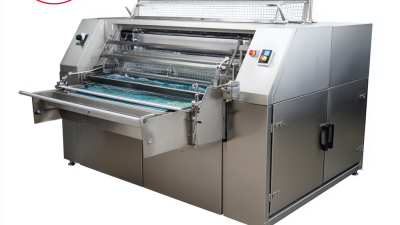
Potato blanching machines are vital in food processing. Recent innovations focus on efficiency and sustainability. New designs reduce water consumption while maintaining optimal blanching temperatures. This is important for preserving flavor and color in potatoes.
The integration of smart technology enhances control over the blanching process. Sensors monitor temperature and timing, ensuring uniform heating. However, reliance on technology may create challenges in maintenance and operator training. Balancing tech and traditional methods remains essential for best results.
Another notable advancement is the use of eco-friendly materials. Many manufacturers are exploring biodegradable components for machine construction. This shift reflects growing concerns about environmental impact. Yet, the challenge lies in ensuring durability and cost-effectiveness in these materials. Improving user interface and accessibility also needs attention, making these machines more user-friendly for all operators.
Insights on Key Innovations in Potato Blanching Machinery
Benefits of Modern Potato Blanching Machines
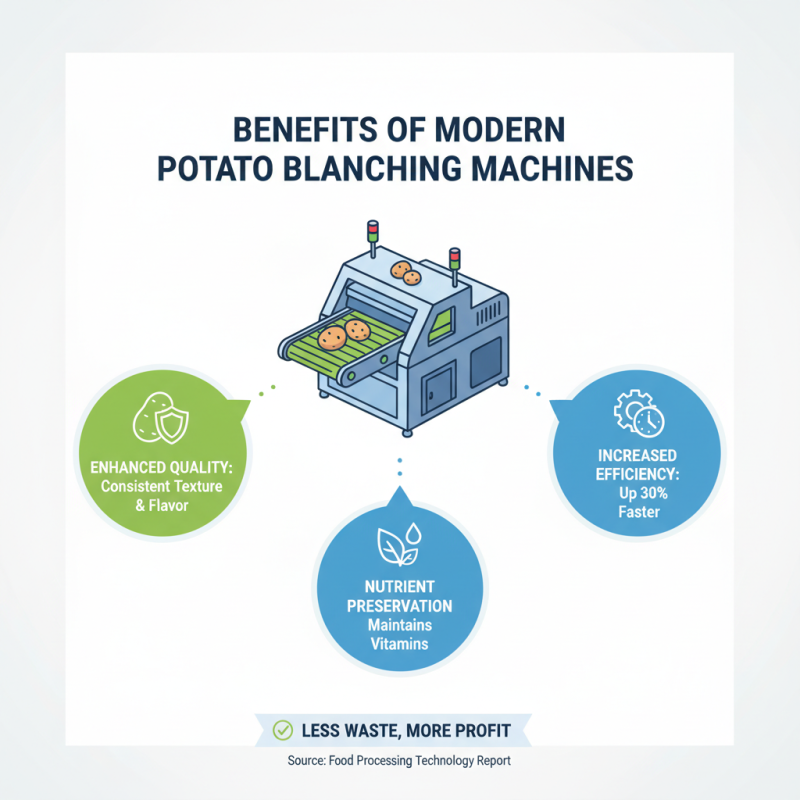
The modernization of potato blanching machines offers significant benefits to food processing industries. Traditional methods can lead to inconsistent quality and nutrient loss. A report from Food Processing Technology states that automated blanching can enhance process efficiency by up to 30%. This reduction in processing time helps maintain the potatoes' natural flavors and textures.
Modern machines incorporate advanced heating technologies. For instance, steam blanching ensures even temperature distribution. This process preserves vitamins, particularly vitamin C and B. Studies show that properly blanched potatoes retain 15% more nutrients compared to those processed with outdated methods. Furthermore, the precision of modern machines minimizes the risk of overcooking, which can result in undesirable color changes.
While these innovations present numerous benefits, awareness of their limitations is vital. Not every machine meets the specific needs of all potato varieties. Variations in moisture content can impact blanching results. Additionally, initial costs may deter smaller producers. The industry must consider these factors as they adopt new technologies.
Market Trends and Consumer Preferences in Potato Processing
In the potato processing industry, consumer preferences significantly influence market trends. Recent reports indicate that the global demand for processed potato products is rising. This trend is driven by increasing health awareness, leading consumers to seek convenient yet nutritious options. The potato processing sector is evolving, with advanced technologies making it possible to deliver high-quality products.
Innovation in potato blanching machines is one area of focus. These machines enhance product quality and extend shelf life. Reports reveal that efficient blanching can reduce enzymatic activity, preserving flavor and nutritional value. This is vital as consumers become more concerned about food quality. Innovations in automation and energy efficiency are also transforming production processes.
Tips: Always consider the energy efficiency of processing equipment. It can significantly impact operational costs. Regular maintenance of blanching machines can ensure optimal performance and quality. Lastly, staying informed about market trends can help producers align with changing consumer preferences. Adapting to these insights is crucial for success in the competitive potato processing landscape.
China Top Potato Blanching Machine Insights and Innovations
| Feature |
Current Trend |
Consumer Preference |
Market Growth (%) |
| Energy Efficiency |
High demand for energy-efficient solutions |
Preference for eco-friendly machinery |
15 |
| Automation |
Increased use of automation technologies |
Interest in user-friendly automated processes |
20 |
| Compact Designs |
Shift towards space-saving designs |
Rising popularity among small processors |
10 |
| Rapid Blanching |
Demand for quicker blanching processes |
Preference for faster processing times |
12 |
| Quality Control |
Integration of advanced quality control systems |
High demand for consistent product quality |
18 |
Future Prospects for Potato Blanching Technology in China
The future of potato blanching technology in China shows great promise. Innovations aim to enhance efficiency and quality. Advances in machine design focus on automation and energy-saving features. As the demand for potato products rises, efficient blanching methods become crucial. This presents opportunities for businesses to upgrade existing equipment.
Tips: Regularly evaluate your blanching process. Look for ways to reduce water usage. Consider the impact of machine maintenance on overall efficiency.
Emerging technologies such as AI and IoT integration could transform potato processing. These tools can provide real-time monitoring and data analytics. This data helps in optimizing the blanching conditions for better output. However, implementing these advanced systems requires investment and training. Many companies may hesitate due to the initial costs involved.
Tips: Invest in staff training when adopting new technologies. This can minimize errors and improve productivity significantly. Always assess the return on investment before making changes.