How to Choose the Best Potato Washer Machine for Your Needs?
Choosing the right Potato Washer Machine is crucial for achieving optimal food safety and quality. The potato washing market is projected to grow at a CAGR of 5.2%, highlighting the increasing demand for efficient cleaning equipment in the food processing industry. With more than 80% of food safety experts emphasizing the importance of clean produce, selecting a reliable machine becomes essential.
Factors to consider include capacity, speed, and ease of maintenance. A robust machine should handle varying loads without compromising efficiency. Many models on the market lack adequate filtration systems, which may lead to contamination. Consideration of user reviews and expert recommendations can provide insights into reliability and performance.
In this evolving industry, understanding technical specifications and user needs is vital. Research indicates that over 40% of potato processors face challenges with existing washing technology. By addressing these concerns, the right Potato Washer Machine can enhance operational efficiency and ensure high-quality output. Exploring these aspects will pave the way for informed decision-making.
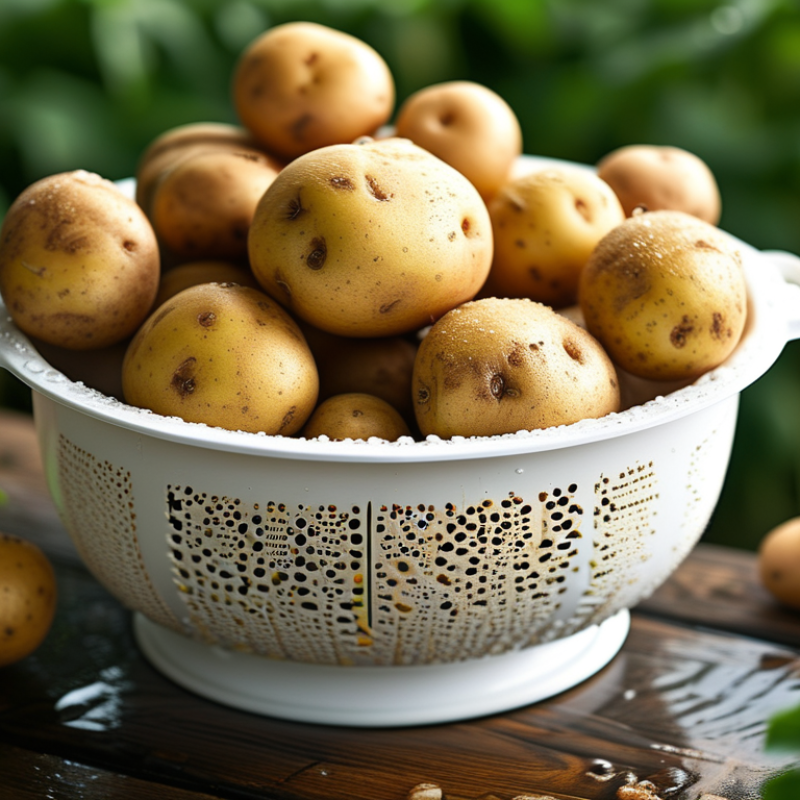
Understanding the Different Types of Potato Washer Machines
When selecting a potato washer machine, understanding the types available is crucial. There are three primary types: rotary, immersion, and wash-and-peel machines. Each operates differently, catering to various needs.
Rotary washers are common in larger operations. They use rotation and water to clean potatoes efficiently. However, they can be overwhelming for smaller businesses. According to industry reports, rotary models handle up to 3 tons per hour, making them ideal for high volumes. Yet, their size may pose challenges in limited spaces.
Immersion washers are best for small to medium-scale operations. They submerge potatoes in water, loosening dirt effectively. A typical unit can clean about 500-1,000 kg of potatoes per hour. However, they may struggle with very dirty potatoes, leading to the need for pre-cleaning.
Wash-and-peel machines combine washing and peeling functions. They are convenient but often come at a higher cost.
Understanding these differences helps in making an informed decision, ensuring the chosen machine fits both space and throughput needs. Each type has its pros and cons, which users must consider based on specific operational requirements.
Key Features to Consider When Selecting a Potato Washer
When selecting a potato washer machine, key features are crucial for optimal performance. One significant aspect is the washing capacity. A machine with a higher capacity can handle larger batches efficiently, reducing processing time. Reports show that units processing over 1 ton per hour are preferred in commercial settings. Understanding your production scale helps in making informed choices.
Another important feature is the washing method. Machines may use high-pressure water, brushes, or a combination. High-pressure washing is often more effective for removing soil and contaminants. However, it can cause damage to delicate potatoes if not calibrated properly. User feedback highlights that machines with adjustable settings are beneficial for varying types of potatoes.
Energy efficiency is also vital. Studies reveal that potato washer machines can consume significant power, impacting operational costs. Choosing models with energy-saving technologies can drastically reduce expenses over time. It's important to balance performance and energy use for sustainability.
Assessing the Capacity and Size Requirements for Your Needs
When selecting a potato washer machine, capacity and size are crucial. Certain data suggests that commercial kitchens often require machines with a capacity of at least 500 pounds per hour. This ensures high productivity, especially during peak hours. Evaluating your specific needs can save time and improve workflow.
Smaller operations may not need such robust equipment. A compact machine could suffice for restaurants with limited space. Consider the layout of your kitchen. Efficient use of space is vital. Industry reports indicate that optimal space utilization can enhance overall kitchen efficiency by up to 30%.
Take into account the types of potatoes you frequently wash. Different sizes may require unique handling. Machines with adjustable settings provide flexibility. However, complicated features can lead to user errors. It’s essential to balance advanced functionality with ease of operation. Test different models to gauge their suitability for your workflow.
Evaluating Budget Considerations for Potato Washer Machines
When considering the purchase of a potato washer machine, budget is a crucial factor. The cost of these machines can vary significantly based on their capacity, features, and technology. Reports indicate that small-scale potato washer machines can range from $500 to $2,000, while larger, industrial models may exceed $10,000. Understanding your specific needs and volume requirements is essential. It is important to assess whether the investment will yield a reasonable return based on your production demands.
Operating costs should also be factored into your budget. Maintenance and energy efficiency play a vital role in the long-term expenses associated with potato washer machines. Studies show that efficient machines can reduce water usage by up to 30%, impacting overall operational costs. Assessing the total cost of ownership, rather than just the initial price, can help in making an informed decision.
Consideration of the machine's features relative to its price is necessary. A cheaper model may lack the necessary capability to handle your workload efficiently. Alternatively, overspending on advanced features that do not align with your operations can be wasteful. Reflecting on these aspects can provide clarity. Ultimately, ensuring a balance between budget and functionality is key to selecting the right potato washer machine.
Comparison of Potato Washer Machine Features and Prices
Reading Reviews and Comparing Brands for Quality Assurance
When selecting a potato washer machine, reading reviews is essential. Not all machines are created equal. Each model has its features, and user feedback can reveal important insights. Look for common themes in reviews. Are users satisfied with the cleaning efficiency? Are there recurring issues with durability? Such questions matter.
Comparing brands is another crucial step. Different brands bring varying levels of expertise and technology to the table. Consider looking beyond just price. A cheaper model may seem appealing but could lead to frustration down the line. It's wise to evaluate customer support as well. Does the company offer reliable assistance if something goes wrong? This element can impact your experience significantly.
Not every well-reviewed machine may suit your needs. Sometimes, specific features may not align with your operational requirements. It's helpful to reflect on your own expectations. Do you need a machine that's easy to operate and maintain? Balancing your unique needs with the insights from other users can lead to a better purchase decision.
How to Choose the Best Potato Washer Machine for Your Needs?
| Model |
Cleaning Capacity (kg) |
Power (W) |
Water Consumption (L) |
Weight (kg) |
Price (USD) |
| Model A |
200 |
1500 |
50 |
30 |
200 |
| Model B |
150 |
1200 |
45 |
28 |
180 |
| Model C |
250 |
1800 |
60 |
35 |
250 |
| Model D |
300 |
2000 |
70 |
40 |
300 |