Top 10 Benefits of Using Automatic Steam Peeler for Businesses
In today’s fast-paced food industry, efficiency is key. The Automatic Steam Peeler stands out as a revolutionary tool for businesses. This innovative device enhances productivity and streamlines operations in peeling fruits and vegetables. With the ability to process large quantities, it saves time and labor costs.
The benefits of using an Automatic Steam Peeler extend beyond just speed. It also minimizes waste and improves product quality. The steam technology ensures a gentle yet effective peeling process, preserving the texture and flavor of the food. However, integrating such technology might pose challenges. Staff training and maintenance are crucial for optimal performance.
Many businesses may hesitate to invest due to initial costs. Yet, the long-term savings and efficiency gains often outweigh these concerns. Businesses must weigh these factors carefully. Investing in an Automatic Steam Peeler might be the change needed to elevate operations and quality standards.
Advantages of Enhanced Efficiency with Automatic Steam Peelers
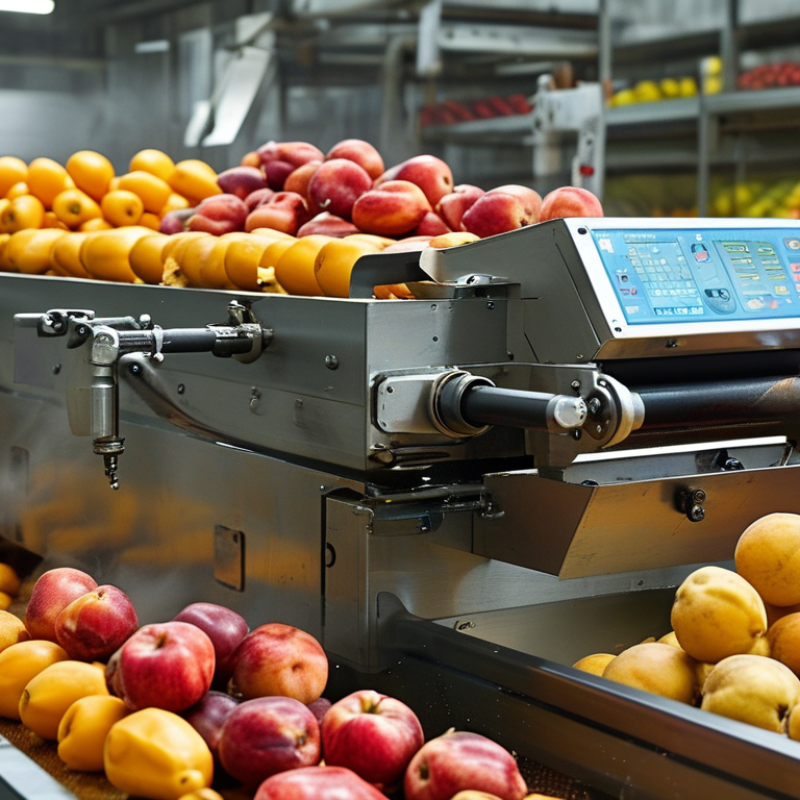
The use of automatic steam peelers in businesses has transformed food processing. These machines significantly enhance efficiency. They minimize manual labor and reduce product waste. With quicker processing times, companies can boost their output. This results in higher profits and improved customer satisfaction.
Moreover, automatic steam peelers require less water and energy compared to traditional methods. This eco-friendly approach not only lowers operational costs but also enhances the brand's reputation. The efficiency gains can be observed in various stages of production, from peeling to packing. However, finding the right balance between machine efficiency and product quality can be challenging.
While these peelers offer advanced features, ongoing maintenance is essential. Machines can face wear and tear, affecting performance. Businesses must ensure proper training for staff to limit misuse. Investing in automatic steam peelers is worthwhile, but it demands careful consideration to maximize benefits. Adapting to this technology is a journey that requires constant evaluation and adjustment.
Cost-Effectiveness in High-Volume Food Processing Operations
In the competitive world of food processing, efficiency is crucial. Automatic steam peelers can significantly enhance cost-effectiveness in high-volume operations. These machines operate quickly, peeling large quantities of vegetables or fruits with minimal manual intervention. They reduce labor costs, which can account for a significant portion of expenses in food processing.
Using an automatic steam peeler helps maintain consistent quality. This is vital for businesses focused on scaling production. The uniformity in peeling results ensures that products are more visually appealing and reduces waste. However, it’s not without challenges. Initial investments can be significant, and not all operations may see immediate returns. Businesses must evaluate if their volume justifies the cost.
Moreover, reliability is key when adopting new technologies. Businesses need to invest time in training staff to operate and maintain the equipment. Failure to do so may lead to inefficiencies. Ultimately, while automatic steam peelers offer many advantages, careful consideration is essential to maximize their benefits in food processing operations.
Improved Product Quality and Consistency in Peeling Process
The automatic steam peeler significantly enhances product quality by ensuring uniform peeling. Consistency is key in food processing. Traditional methods often lead to uneven results, which can affect taste and presentation. With steam technology, each piece is treated evenly, producing a better end product.
In addition to quality, the peeling process becomes more reliable. Businesses experience fewer discrepancies, which reduces waste. This increased efficiency ultimately boosts profitability. However, adapting to new technology may pose challenges. Staff training and initial setup require time and resources, which can be daunting.
Some may find the transition difficult. The machine's nuances take getting used to. Not all products respond alike to steam peeling. Some items might require adjustments to the process, which can lead to frustration. Balancing the benefits of improved quality with the learning curve is crucial for businesses.
Labor Savings: Reducing Workforce Requirements with Automation
Automatic steam peelers represent a significant advancement for businesses relying on efficient food processing. By embracing automation, companies can minimize their workforce requirements. According to a report from the International Journal of Food Engineering, businesses that adopt such technologies can reduce labor costs by up to 30%. This not only lowers expenses but also decreases the likelihood of workplace injuries associated with manual peeling.
With fewer staff needed, businesses can redirect their human resources to more strategic tasks. Employees can focus on quality control or product development instead of repetitive, labor-intensive activities. Additionally, automated systems can operate continuously, increasing output without the constraints of shifts and breaks. However, it’s essential to note that transitioning to automated systems requires initial investments and training. Staff must adapt to new technologies and processes.
Tip: When considering automatic steam peelers, assess the training needs for your current employees. This can ensure a smoother transition and minimize operational downtime during the switch.
Balancing automation with skilled workforce management is vital. Technological dependence might risk losing craftsmanship in peeling, which finer products require. Industries need to maintain a relationship with traditional practices. Monitoring this balance will preserve quality while benefiting from automation.
Top 10 Benefits of Using Automatic Steam Peeler for Businesses
Environmental Benefits of Using Steam Peeling Technology
Steam peeling technology offers notable environmental advantages for businesses in the food processing industry. This method efficiently removes peels from fruits and vegetables, significantly reducing waste. Unlike traditional peeling methods, steam peeling utilizes water vapor, minimizing the need for heavy chemical use. As a result, it can lower the overall environmental footprint of processing plants.
Another crucial benefit is energy efficiency. Steam peeling typically requires less energy than other peeling methods. This reduction in power consumption not only lowers operating costs but also decreases greenhouse gas emissions. Businesses adopting this technology can contribute positively to sustainability goals. However, it’s essential to recognize that implementing such technology may come with initial expenses. Companies must weigh these costs against potential long-term environmental benefits.
Moreover, the use of steam peeling can lead to higher-quality products. This method helps preserve nutrients by limiting physical damage during peeling. While there are many advantages to consider, businesses should also evaluate their specific contexts and operations. The ideal solution for one company may not suit another, necessitating careful reflection on their unique needs and goals.