What Is the Best Small Scale Potato Chips Machine?
Choosing the best Small Scale Potato Chips Machine starts with a practical question: how many bags do you plan to produce each day? A compact unit may suit a shop, pilot kitchen, or new snack brand, but its rated capacity is only part of the story. Actual output depends on slicing thickness, batch size, frying time, and operator workflow.
Look closely at the details. Does the machine cut potatoes evenly? Can its fryer hold a steady temperature during repeated batches? Check the oil capacity, heating method, drainage system, and ease of cleaning. A unit that fits through a narrow doorway may still need extra room for washing, cooling, and packaging. Ask suppliers for a live demonstration and written specifications. Useful evidence beats a polished brochure.
For a transparent editorial perspective, fictional small-scale processing specialist Elena Brooks offers this guiding line: “Choose equipment for the product and daily workflow, not the largest number on a capacity label.” Treat that as a principle, not a verified quotation from a real industry professional. The sections ahead compare machine types, core features, costs, and selection criteria, while noting where supplier claims deserve closer checking. No machine is perfect. A low purchase price can bring trade-offs in throughput, maintenance, or support. Small details matter. The right choice should match your available space, power supply, budget, and production goals, with room to reconsider as demand changes.
What Defines a Small-Scale Potato Chips Machine?
What Is the Best Small Scale Potato Chips Machine?
What Defines a Small-Scale Potato Chips Machine?
A small-scale potato chips machine is defined less by its size than by the amount of product it can process consistently. It suits a test kitchen, a small food workshop, or a shop making limited batches. There is no single output figure that makes a machine “small”; daily demand and available space matter more. A compact frame helps, but it should still leave room to load potatoes and handle hot oil safely.
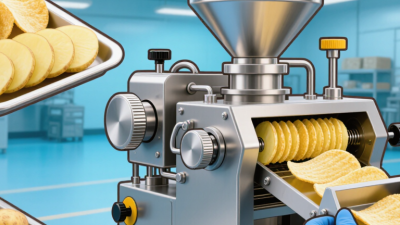
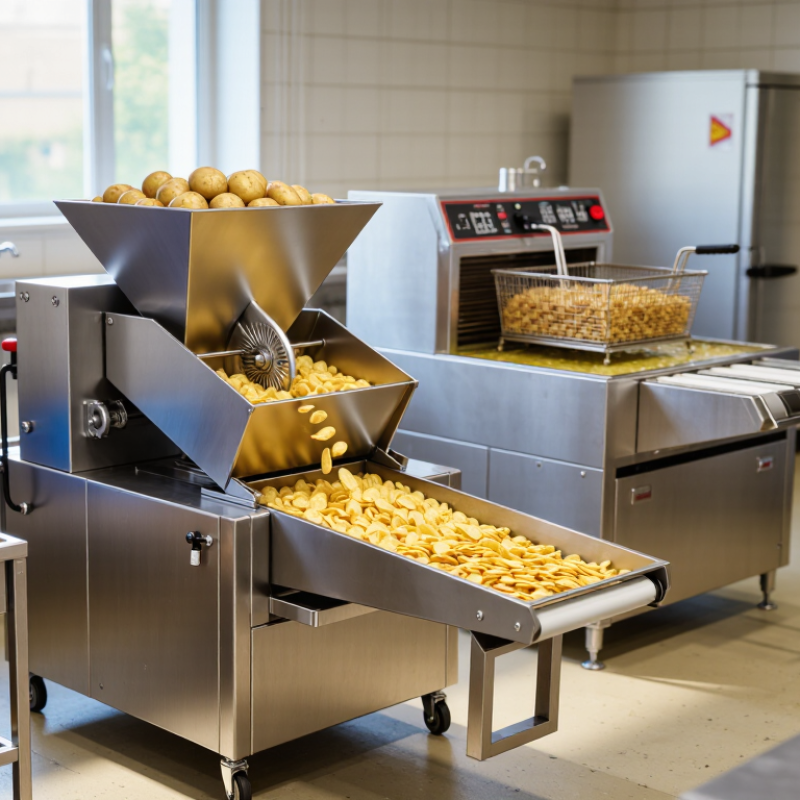
Look at the whole process, not just the fryer. A practical setup may include slicing, rinsing, frying, draining, and seasoning equipment. Slice thickness should be adjustable, since a few millimeters can change crunch and cooking time. Temperature controls and a clear drain path also help operators manage batches. Small, but capable. A machine that is difficult to clean can slow production, even when its footprint looks ideal.
In use, check how much attention each batch needs. Can one operator load slices, monitor the fryer, and move finished chips without reaching across hot surfaces? Food-contact parts should be accessible for cleaning, and the machine’s power requirements should fit the workspace. It is easy to focus on hourly capacity. That number can be optimistic if preparation, draining, and cleanup are excluded. A short production trial can reveal awkward steps before the equipment becomes part of a daily routine.
What Is the Best Small Scale Potato Chips Machine? - What Defines a Small-Scale Potato Chips Machine?
| Machine configuration |
Typical raw-potato capacity |
Main equipment |
Typical operating needs |
Best suited to |
| Manual or batch setup |
About 10–30 kg/hour |
Washer, slicer, batch fryer, draining or de-oiling trays, and a manual seasoning station |
Small footprint; more hands-on handling; fryer capacity and heating method determine the actual output. |
Product trials, very small businesses, and short production runs. |
| Semi-automatic batch line |
About 30–80 kg/hour |
Washer, slicer, rinse or blanching tank as needed, batch fryer, de-oiling equipment, and seasoning mixer |
Requires operators to load, transfer, and monitor batches; plan for suitable drainage, ventilation, and safe fryer access. |
Small commercial production with several product varieties or changing batch sizes. |
| Compact continuous line |
About 80–200 kg/hour |
Continuous washing, slicing and frying, followed by de-oiling, seasoning, and conveying equipment |
Needs more floor space and coordinated utilities; output depends on potato preparation, slice thickness, fryer design, and operating conditions. |
Regular production where a steadier flow and reduced batch handling are priorities. |
| Modular small-scale line |
Capacity selected to match the fryer, commonly within the ranges above |
Separate modules for washing, slicing, frying, de-oiling, seasoning, and packaging |
Allows staged purchasing; ensure connected modules have compatible capacities and food-contact surfaces are suitable for food processing. |
Businesses that want to start with core processing equipment and add automation later. |
Capacity figures are indicative ranges for raw potatoes, not guaranteed finished-chip output. Actual throughput varies with machine design, potato variety and size, slice thickness, frying conditions, operator workflow, and local utilities. A small-scale machine is generally defined by its modest production capacity, compact or modular setup, and suitability for limited-space or lower-volume operations—not by one universal capacity threshold.
How the Main Machine Types Differ
What Is the Best Small Scale Potato Chips Machine? How the Main Machine Types Differ
Small-scale potato chip machines generally use batch frying or continuous frying.
A batch fryer handles one load at a time. It suits test production or changing recipes, and operators can adjust each batch’s frying time. The trade-off is more hands-on work. Slices may vary in color if the load is uneven or oil temperature drops.
A continuous fryer moves slices through hot oil at a steady pace.
It can improve output consistency, but needs more floor space and careful setup. More capacity is not always better.
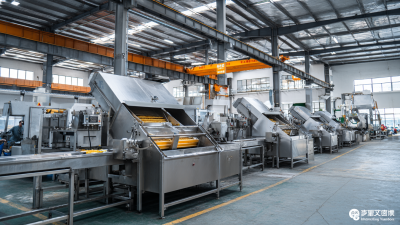
Some compact setups combine slicing, rinsing, dewatering, frying, and seasoning equipment. Others require separate units, which can be easier to maintain or upgrade. Look closely at slice thickness controls, oil filtration, heating accuracy, and cleaning access.
A machine’s stated capacity may not match your real output once loading, draining, and seasoning time are included. That detail is easy to overlook.
Tips:
Ask for a demonstration using your preferred potato variety and slice thickness. Check how quickly the oil recovers after loading, and inspect chips from several batches. Leave room for safe handling and cleaning. A compact line can still feel oversized in a small workspace.
Which Features Matter for Small-Scale Production?
What Is the Best Small Scale Potato Chips Machine?
Which Features Matter for Small-Scale Production?
For a small operation, choose a machine that delivers consistent slices, steady frying temperatures, and manageable cleaning. FAOSTAT reports global potato production of about 376 million tonnes in 2022. USDA NASS reported a U.S. potato crop of roughly 19 million metric tonnes in 2023. These figures show the scale of the raw-material supply, but they cannot predict your batch results. Potato variety, moisture, and slice thickness all affect texture and frying time.
Check whether the quoted capacity means raw potatoes or finished chips. Ask for a trial using your own potatoes, and record output, oil use, and rejected slices. Look for adjustable slicing, clear temperature controls, accessible oil filtration, and food-contact surfaces that are easy to clean. A compact footprint helps, but cramped access can turn routine cleaning into a chore. I would not trust a capacity figure without seeing a real production test.
Tips: Start with a small batch. Weigh the raw potatoes and finished chips, then note frying time and temperature. Repeat the test; one good batch proves little.
How to Match Capacity, Budget, and Workspace
What Is the Best Small Scale Potato Chips Machine?
How to Match Capacity, Budget, and Workspace
The best machine is the one that fits your actual production routine, not the biggest unit your budget allows. Estimate demand in finished chips per hour, then check whether the stated capacity refers to raw potatoes or finished product. Those figures can differ. A small fryer may process one batch quickly but still struggle with washing, slicing, draining, and seasoning during a full shift. Write down each step and the number of people available to run it.
Set a budget that includes more than the purchase price. Installation, electrical work, ventilation, spare blades, oil handling, and routine cleaning can add meaningful costs. Measure the workspace, including room to load potatoes and safely move hot product. Leave access for cleaning and maintenance; a machine that fits tightly on paper may be awkward to use every day. I have seen capacity estimates look convincing until preparation time is included. That part is easy to overlook.
Tips: Ask for a trial using your potato size and target slice thickness. Record output, cleanup time, and power needs before choosing.
How to Identify the Best Machine for Your Needs
Choosing the best small-scale potato chips machine starts with your actual production target, not the largest number in a brochure. Estimate how many kilograms of raw potatoes you can prepare and sell during a typical shift. Then check whether the machine’s stated output reflects finished chips or incoming potatoes. Those figures are not interchangeable. Small details matter. Consider the full workflow: washing, slicing, frying, draining, seasoning, and packing. A compact fryer may save floor space but create a bottleneck if slicing or cooling takes longer. Measure doorways, worktables, and clearance around the machine before ordering.
Look closely at slice thickness controls, temperature stability, and batch consistency. Uneven slices can leave some chips pale while others brown too quickly. Ask how the machine is cleaned, which parts need daily removal, and whether replacement components are readily available. Check the power supply, ventilation needs, and oil capacity against your workspace. Test it in person, if possible. Run a small batch using your own potatoes; their size and moisture can affect results. Compare output, texture, cleanup time, and energy use, not just the purchase price. There may be no perfect option. A slower machine that is easier to maintain can suit a small team better, though that trade-off deserves careful thought.