Top French Fries Processing Line Solutions for Global Buyers?
In the competitive world of food processing, the demand for high-quality French fries continues to rise. Global buyers seek efficient solutions to meet this growing need. The French Fries Processing Line plays a crucial role in this industry. It not only enhances productivity but also ensures consistent product quality.
Investing in a reliable processing line is vital. Buyers must consider machinery that offers flexibility and efficiency. Innovations in technology have transformed traditional methods. The best processing lines minimize waste and maximize flavor retention. Quality control is essential at every stage, from peeling to packaging.
However, selecting the right processing line isn’t straightforward. Each business has unique needs. This complexity requires careful evaluation of various options. Not all solutions will fit every market or scale. Buyers should reflect on these challenges to find the best fit for their operations.
Overview of French Fries Processing Lines
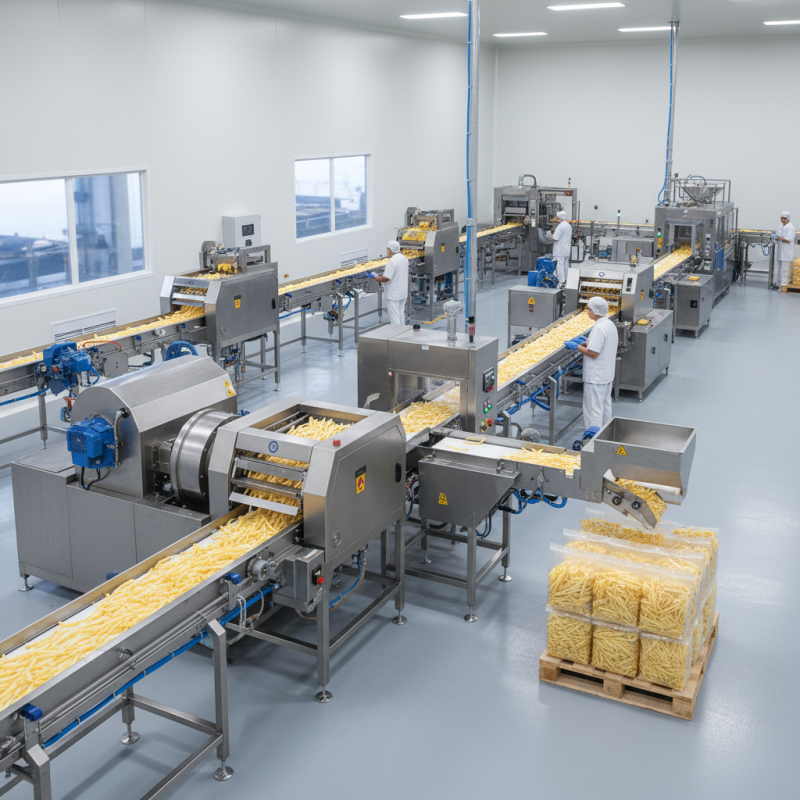
French fries processing lines have evolved significantly to meet global demand. These lines incorporate various stages, each designed for efficiency and quality. The initial stage involves washing and peeling potatoes, which is crucial for removing dirt and contaminants. Advanced systems use gentle scrubbing mechanisms to prevent damage, ensuring that the potatoes are intact and ready for the next phase.
After peeling, the slicing process begins. Automated cutters deliver consistency in fry size, which is important for even cooking. This stage can sometimes lead to waste if not calibrated properly, emphasizing the need for precision. Following slicing, blanching is key. This step helps in reducing the sugars and sets the right texture. Some lines utilize steam blanching, which can be more energy-efficient, yet many still rely on water blanching, raising questions about sustainability.
In addition to these steps, frying is where flavor development occurs. Continuous fryers provide a uniform cooking process but can also risk overcooking. Monitoring is essential to maintain the desired color and crispiness. Packaging then follows, where quality control systems are needed to ensure that the final product meets standards. A robust processing line focuses on minimizing waste while maximizing efficiency, but there’s always room for improvement and innovation in this dynamic field.
Key Components of a French Fries Processing System
When discussing key components of a French fries processing system, the focus begins with the raw materials. Selecting quality potatoes is crucial. According to a 2022 industry report, high-starch varieties yield better fries. They absorb less oil, resulting in a healthier final product. However, ensuring potato freshness can be a challenge. It directly impacts the processing time and flavor.
Another essential part of the processing line is the cutting equipment. Efficient cutting machines can drastically reduce preparation time. Automated systems can achieve precise cuts, leading to uniform cooking. Research indicates that uniform fry sizes cook more evenly, improving the overall quality. Nevertheless, maintaining these machines is often overlooked, which can lead to inconsistent sizes over time.
After cutting, the blanching process plays a pivotal role. This step helps remove excess sugars and pre-cooks the fries. Industry insights reveal that proper blanching can enhance color and texture. Yet, it is vital not to over-blanch, as this can diminish the final crunch. Monitoring temperature and time here is vital and often requires constant adjustment to get perfect fries. Each component contributes to a system that, while effective, demands careful oversight to avoid common pitfalls.
Top French Fries Processing Line Solutions for Global Buyers
Leading Global Suppliers of French Fries Processing Equipment
The global market for French fries processing equipment continues to grow. Buyers are searching for solutions that enhance efficiency and product quality. Renowned suppliers in this field understand the unique needs of their clients. They offer diverse machinery options suitable for various scales of production.
When selecting a supplier, consider their industry experience. Reliable suppliers often provide insights from years of practice. Their understanding of different market demands helps in customizing solutions. Ensure the equipment meets international safety and quality standards.
Tips: Always request a demo before purchasing. This allows you to assess machine performance firsthand. Also, examine the supplier's customer service. Responsive support can resolve issues quickly during production.
Understanding the technological innovations in processing is crucial. Modern machines often focus on energy efficiency and sustainability. Evaluate whether suppliers keep pace with these advancements. Adapting to trends can significantly impact operational success.
Innovative Technologies in French Fries Production
Innovative technologies in French fries production are transforming the industry. Automation plays a key role in increasing efficiency. For instance, automated peeling, cutting, and frying processes reduce labor costs significantly. According to industry reports, the global market for French fries processing is expected to grow at a rate of 4.5% annually.
Another major advancement is the use of advanced frying techniques. Oil management systems ensure optimal frying temperatures and durations. This results in consistent product quality while minimizing oil consumption. A recent study found that modern frying technologies can reduce oil usage by up to 30%. This not only lowers operational costs but also addresses sustainability concerns.
While these innovations are promising, there are challenges to consider. For instance, initial setup costs for automated systems can be high. Not all companies can afford the latest technology. Access to skilled technicians is another issue. A lack of trained personnel may limit the successful implementation of new systems. The quest for efficiency in French fries production continues, but careful consideration is necessary for long-term success.
Top French Fries Processing Line Solutions for Global Buyers
| Processing Line Component |
Description |
Technology |
Efficiency (%) |
Output (kg/h) |
| Peeler |
Removes skin from potatoes without damage |
Rotary or Abrasive |
95 |
2000 |
| Slicing Machine |
Cuts potatoes into fries of various sizes |
Automatic Induction |
98 |
2500 |
| Blancher |
Pre-cooks fries to preserve color and texture |
Water or Steam |
90 |
2000 |
| Fryer |
Fried at optimal temperature for perfect crispiness |
Batch or Continuous |
95 |
3000 |
| Freezer |
Rapidly freezes fries to lock in freshness |
Blast Freezing |
99 |
2000 |
Considerations for Selecting a Processing Line for French Fries
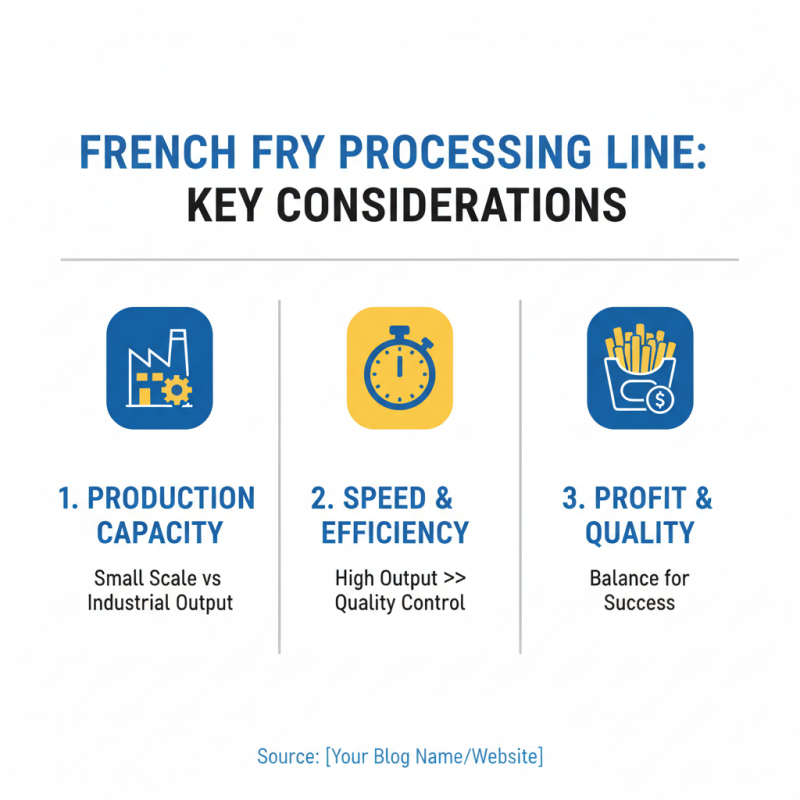
When selecting a processing line for French fries, several factors come into play. Understanding your production capacity is crucial. Different lines cater to various scales, from small local businesses to large industrial operations. Consider the line's speed and efficiency. A higher output can increase profits but may lead to quality issues if not managed well.
Equipment versatility is another major factor. Ideally, your processing line should handle different types of potatoes and cuts. This adaptability allows for more product offerings. Think about the technology involved. Advanced features can enhance consistency and reduce waste, but they also add complexity. Balancing innovation with ease of use is key.
Don't overlook the importance of maintenance and support. A reliable line requires regular upkeep. An easily serviced system can prevent costly downtime. Yet, many buyers underestimate potential maintenance issues. Assessing after-sales support and spare parts availability is critical. The initial purchase cost isn't everything; long-term reliability matters more.