Best Small Scale Potato Chips Machine for Global Buyers?
The global snack industry is witnessing rapid growth. According to recent market analysis, the potato chips segment is projected to reach USD 25 billion by 2025. This increasing demand highlights the potential for small-scale production. Small Scale Potato Chips Machine has become essential for new entrants wanting to capture a share of this lucrative market.
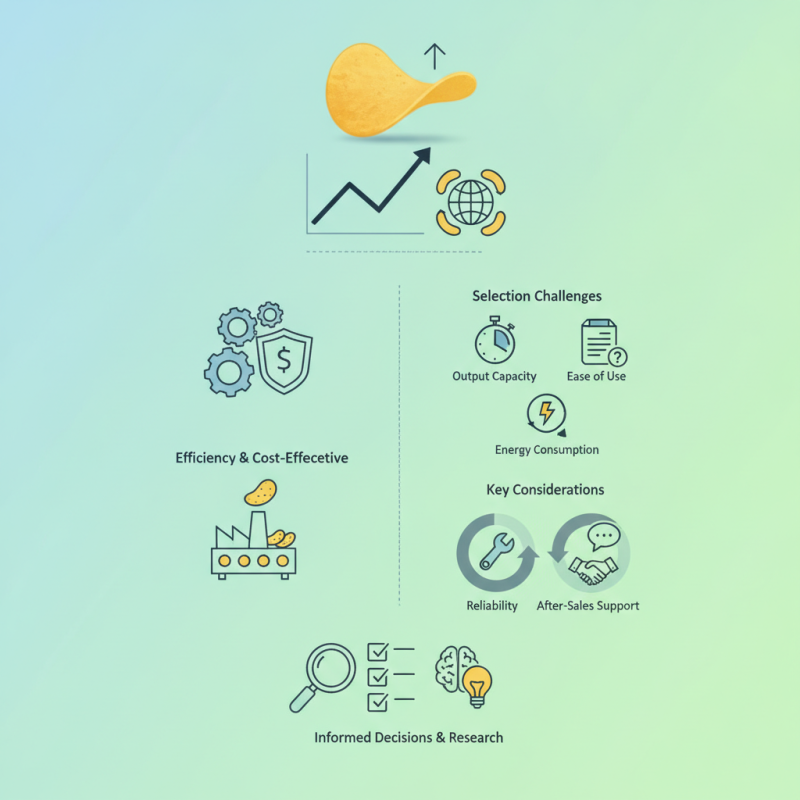
These machines offer efficiency and cost-effectiveness. They can produce high-quality chips that meet consumer expectations. Yet, not all machines are created equal. Buyers face challenges in selecting the right equipment. Factors like output capacity, energy consumption, and ease of use must be considered.
Investing in a small scale potato chips machine can be daunting. The options available vary significantly in quality and functionality. Seasoned manufacturers emphasize the importance of reliability and after-sales support. While many machines promise to deliver, it is crucial to conduct thorough research. This ensures that buyers make informed decisions that align with their business goals.
Overview of Small Scale Potato Chips Machines
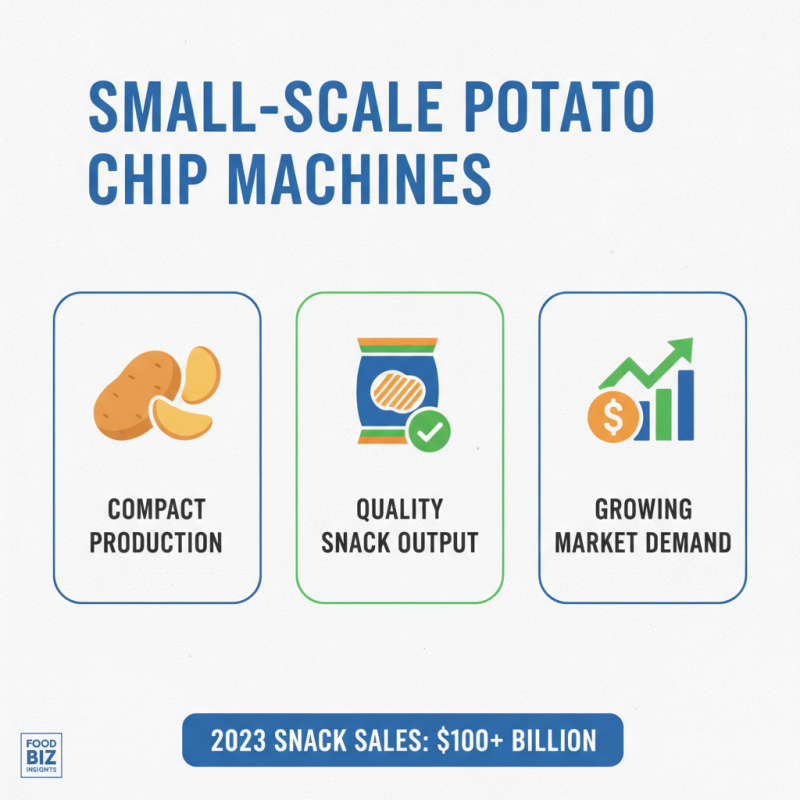
Small scale potato chips machines are gaining traction among food entrepreneurs. They provide a compact solution for producing quality snacks. These machines can efficiently process raw potatoes into delicious chips, meeting the rising consumer demand for healthy snacks. According to industry reports, snack food sales reached over $100 billion in 2023, signalling strong growth in this sector.
These machines offer various features. Many models come with automatic frying, seasoning, and cooling systems. This automation can increase output and reduce labor costs. Data shows that small-scale operations can boost local economies by creating jobs. However, selecting the right machine can be challenging due to numerous options available.
A common concern among buyers is energy consumption. Energy-efficient machines are often overlooked, yet they can significantly lower operational costs. A study indicates that energy-efficient models can reduce energy costs by up to 30%. Regular maintenance is paramount for machine longevity. Neglecting this can lead to higher breakdown rates and increased costs. Some users reported less-than-ideal performance during peak production times. Therefore, thorough market research and user reviews are vital before making a purchase.
Key Features to Consider in Potato Chips Machines
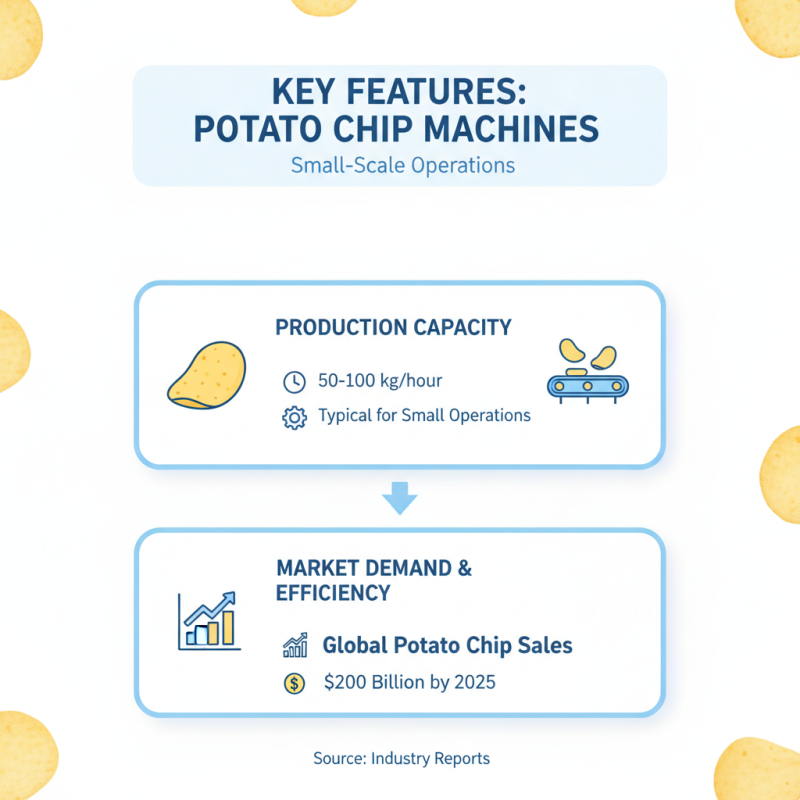
When selecting a small-scale potato chips machine, several key features merit attention. First, the production capacity is essential. A capacity of 50-100 kg per hour is typical for small operations. This output aligns with market demand. According to industry reports, global potato chip sales are projected to reach $200 billion by 2025. This trend emphasizes the need for efficient production.
Another critical aspect is the machine's energy efficiency. Energy costs can significantly impact profitability. Machines that utilize less energy while maintaining output can enhance profit margins. Additionally, easy cleanability should not be overlooked. Regular maintenance and sanitation are crucial for food safety. Users often report challenges with intricate designs that hinder cleaning. Choosing a design that allows for quick disassembly can save valuable time.
Quality consistency is paramount. Machines should be capable of producing evenly cooked chips. Uneven frying can lead to waste. Studies indicate that consumers prefer chips with uniform color and texture. This factor directly influences repeat purchases. Furthermore, adaptability is vital in a changing market. Machines that offer versatility in chip thickness and flavoring can better meet evolving consumer preferences.
Top Brands and Models for Small Scale Production
When considering small-scale potato chips machines, it's crucial to evaluate a few key features. Look for machines with efficient frying capabilities and adjustable temperature settings. These features can enhance the quality of the chips. Additionally, durable construction is essential for long-term use. Compact models are ideal for small spaces, making them perfect for local businesses.
Tips for choosing the right machine include assessing production capacity. A machine that processes a few kilograms at a time is often sufficient for small businesses. Review user feedback to identify reliability and performance. Find out which models have a reputation for consistency. This can save you time and potential regret.
Pay attention to energy efficiency as well. Machines that use less electricity can lead to cost savings over time. However, don’t overlook maintenance requirements. Some machines may seem affordable upfront but could become a hassle. Regular upkeep ensures better performance and longer lifespan. Be prepared to adjust your expectations based on initial experiences with the machine. Not every model will meet your ideal standards, and reflecting on those shortcomings can guide future purchases.
Cost Analysis: Budgeting for a Potato Chips Machine
When budgeting for a small-scale potato chips machine, various costs must be considered. The initial investment often includes the purchase price, which can range between $5,000 to $20,000, depending on capacity and features. A detailed cost analysis reveals that the machine's size and output greatly influence the purchase decision. For instance, machines with higher production capacity typically incur higher costs yet generate more profit.
Operational expenses are another crucial factor. These include costs for ingredients, energy, and maintenance. Reports indicate that the average cost of raw potatoes can fluctuate between $0.10 to $0.50 per pound, depending on the season. Energy consumption also plays a significant role. Some machines may require up to 30 kWh for every 100 pounds of chips produced, leading to higher electricity bills. Entrepreneurs should weigh these operational costs against expected revenue to achieve profitability.
Furthermore, potential buyers must reflect on the long-term financial viability of their investment. Market analysis suggests that demand for potato chips is consistently high, with the global market estimated at over $30 billion in 2021. However, competition can be intense. New entrants should prepare for potential challenges. Understanding these financial aspects will ensure informed decisions in the acquisition of a small-scale potato chips machine.
Market Trends and Buyer Preferences in the Potato Chips Industry
In the potato chips industry, market trends reveal a growing demand for small-scale production equipment. Buyers now prefer machines that offer efficiency and versatility. Many are looking for compact designs that fit smaller spaces without compromising quality.
Tips: Focus on energy efficiency. Advanced technology can save costs over time. Look for machines that offer multiple functions, such as slicing and frying. This can streamline production.
Additionally, buyers are influenced by health trends. Many seek machines that can produce healthier alternatives, like baked chips. The rise in plant-based diets also impacts preferences. Potential buyers need to consider these trends seriously.
Tips: Research local preferences. Tailoring your product line can create a loyal customer base. Flexibility in production runs can also attract diverse buyers. Remember to stay updated on health regulations in your area.
Best Small Scale Potato Chips Machine for Global Buyers? - Market Trends and Buyer Preferences in the Potato Chips Industry
| Machine Type |
Production Capacity (kg/h) |
Energy Consumption (kW) |
Price Range ($) |
Popular Features |
| Batch Frying Machine |
50 |
10 |
5000 - 8000 |
Automatic temperature control, easy cleaning |
| Continuous Fryer |
150 |
15 |
8000 - 12000 |
Oil filtration system, energy-efficient |
| Vacuum Fryer |
40 |
8 |
10000 - 15000 |
High-quality product, low-fat content |
| Chip Cutting Machine |
N/A |
2 |
1000 - 2000 |
Variable slice thickness, user-friendly |
| Dehydrator |
70 |
5 |
3000 - 5000 |
Energy-efficient, adjustable settings |