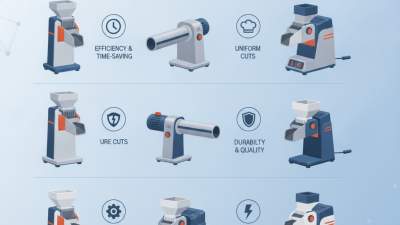
Best Commercial French Fry Cutter from China?
Choosing the Best Commercial French Fry Cutter from China requires more than comparing prices and shiny product photos. A busy kitchen needs steady cuts, safe handling, fast cleaning, and dependable output during lunch service. The right French Fry Cutter Commercial model should process firm potatoes evenly, reduce preparation time, and withstand repeated pressure without loose blades or cracked frames.
Commercial kitchen consultant Michael Oshman once said, “A good tool protects consistency when the rush begins.” That idea guides this review. We examine blade construction, cutting capacity, food-contact materials, operator safety, replacement parts, and supplier communication. Factory experience also matters. A machine that performs well during a short demonstration may struggle after several hours of continuous use.
Details matter.
We will compare Chinese commercial cutters through practical use, not marketing claims alone. We will look at potato size, fry thickness, mounting stability, cleaning access, and the effort required per batch. Some models may offer excellent value, but their manuals or spare-part support may remain unclear. That weakness deserves attention. No cutter is perfect, and buyer expectations can be unrealistic.
This guide aims to help restaurants, catering companies, food trucks, and institutional kitchens make a careful decision. Product specifications should be confirmed directly with the manufacturer. Certifications, warranty terms, packaging quality, and production consistency should also be checked before purchase. A reliable French Fry Cutter Commercial supplier should answer specific questions clearly, provide usable documentation, and accept reasonable quality inspections.
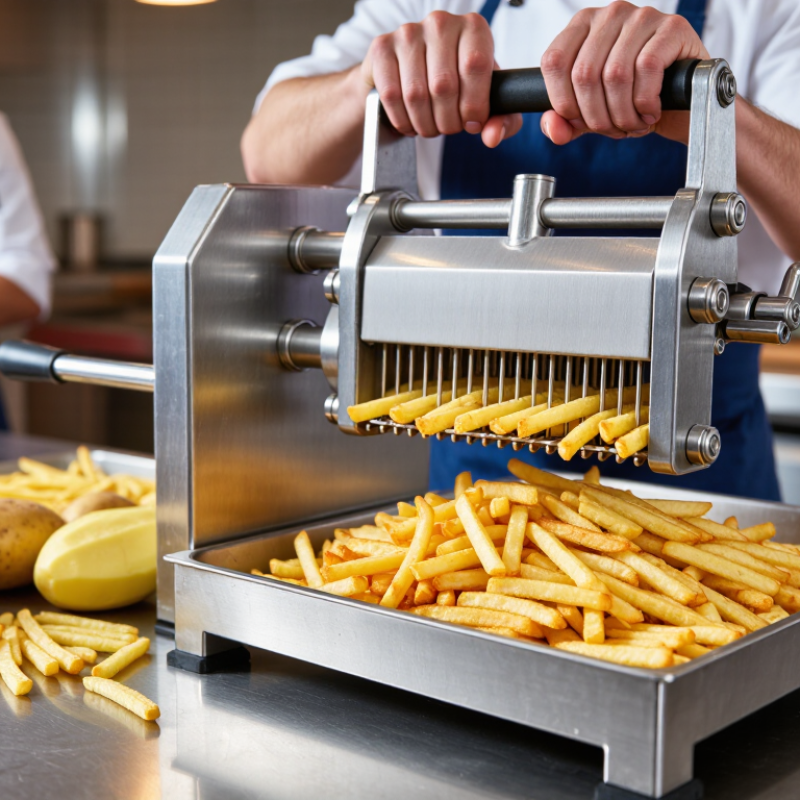
Commercial French Fry Cutter Types: Manual, Electric, and Hydraulic Systems
Best Commercial French Fry Cutter from China?
Commercial French Fry Cutter Types: Manual, Electric, and Hydraulic Systems
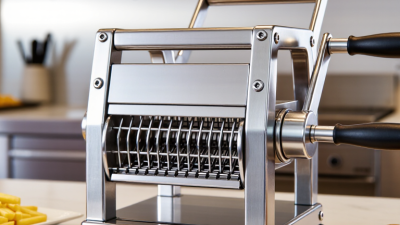
Choosing a commercial French fry cutter from China starts with production needs, not appearance. Manual cutters suit small kitchens, food trucks, and backup stations. They use simple levers, require little maintenance, and give operators direct control. A sturdy stainless steel frame matters. So does a removable blade block for cleaning. However, manual cutting becomes tiring during long shifts, especially with firm, cold potatoes.
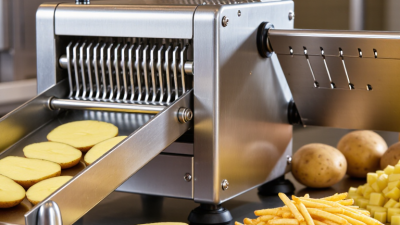
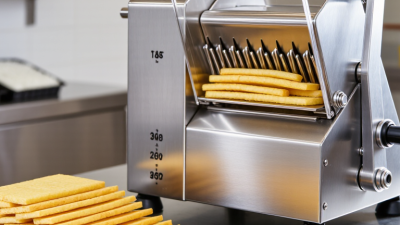
Electric cutters improve speed and consistency. They work well in restaurants, central kitchens, and medium-volume processing lines. Check motor power, cutting capacity, noise, and the machine’s electrical configuration before ordering. A reliable unit should include guarding, an emergency stop, and clear cleaning access. Ask for test videos using potatoes similar to yours. Photos can hide uneven cuts.
Hydraulic systems target heavy production. They deliver strong, repeatable pressure and reduce operator effort. These machines need more floor space, trained maintenance, and careful inspection of seals and hydraulic components. Food-contact surfaces should be easy to sanitize. I once focused too heavily on hourly output and overlooked cleaning time. That was a costly comparison mistake. A slower cutter may perform better when changeovers, blade replacement, and staff safety are included. Request material certificates, factory inspection records, spare-part details, and sample cuts before placing a large order. Small tests reveal practical problems.
Cut Size Standards: 6–12 mm Fries for Consistent Commercial Portions
Best Commercial French Fry Cutter from China?
For commercial kitchens, cut size is a production standard, not a visual preference. A 6 mm fry cooks quickly and creates a crisp, narrow portion. A 9 mm cut offers a practical balance between crispness and potato texture. A 12 mm fry gives a softer center and a heavier bite. These sizes help operators control cooking time, oil absorption, and serving weight. The USDA Agricultural Marketing Service uses measurable dimensions when grading frozen French fries, reinforcing the value of consistent cuts. The 2024 National Restaurant Association report projected U.S. restaurant sales above 1 trillion dollars. At that scale, small size differences can affect waste, holding quality, and customer expectations.
Tips: Choose a cutter with adjustable or interchangeable blades for 6, 9, and 12 mm portions. Confirm the actual blade opening, because stated sizes may not match finished fries. Ask for sample cuts using your own potato variety. Record cut width, cooking time, yield, and broken pieces. Stainless steel contact parts are easier to clean, but smooth design matters more than appearance. A heavy frame also reduces movement on a wet preparation table.
From practical testing, 9 mm often works well for busy service. Still, that is not a universal answer. Potato moisture, oil temperature, and holding time can change the result. Request production records, material specifications, and inspection photos before purchase. A cutter that produces 100 uniform pieces is more useful than one that simply looks industrial.
Best Commercial French Fry Cutter from China? Cut Size Standards: 6–12 mm Fries for Consistent Commercial Portions
Standard commercial fry cuts are commonly specified by square cross-section. The chart compares the nominal cut size with its cross-sectional area, calculated as width × thickness.
A 6 mm cut has a 36 mm² cross-sectional area, while a 12 mm cut reaches 144 mm². Larger cuts generally produce a thicker, more substantial fry, so consistent cutter dimensions help commercial kitchens maintain uniform cooking times and serving portions.
Capacity Comparison: 50–300 kg/h Across Chinese Cutter Models
Best Commercial French Fry Cutter from China?
Capacity Comparison: 50–300 kg/h Across Chinese Cutter Models
Chinese commercial French fry cutters commonly advertise capacities from 50 to 300 kg/h. The 50–100 kg/h class suits small restaurants and compact prep rooms. It usually handles one operator, a steady potato supply, and short production runs. Mid-range machines, rated around 150–200 kg/h, fit busy kitchens and catering operations. The 250–300 kg/h class is better for central kitchens, frozen-food preparation, and continuous service. These figures are usually measured with uniform potatoes and limited interruptions. Real output can fall by 15–30% during peeling, loading, cleaning, and blade changes. That estimate is not perfect.
FAOSTAT recorded global potato production at more than 370 million tonnes in recent reporting years, confirming the scale of potato processing demand. However, global production does not prove a cutter’s real performance. Ask for a timed test using your potato size, preferred fry dimensions, and actual operator. Check cut consistency, recovery after jams, motor temperature, and cleaning time. A 300 kg/h claim may be less useful than stable 180 kg/h output during a full shift. Independent verification remains limited in this equipment category.
Tips: Request a video test with a weighing scale visible. Measure usable fries, not total potatoes loaded. Confirm stainless-steel grade, spare blade availability, electrical requirements, and warranty response. Smaller models may waste less product, while larger models can create unnecessary downtime if supply is uneven. Industry capacity figures should guide comparison, not replace hands-on testing.
Food-Safety Requirements: 304 Stainless Steel, NSF/ANSI 8, and CE Compliance
Best Commercial French Fry Cutter from China?
Food safety starts with material, not appearance. The FAO and WHO estimate that contaminated food causes 600 million illnesses and 420,000 deaths worldwide each year. A commercial French fry cutter should use 304 stainless steel on food-contact surfaces, blades, fasteners, and welded joints. This alloy offers strong corrosion resistance in wet, salty kitchen environments. However, “304 stainless steel” on a specification sheet proves little without material certificates or independent testing.
The FDA Food Code 2022 requires food-contact surfaces to be smooth, corrosion-resistant, nonabsorbent, and easily cleanable. Inspectors should check polished corners, weld quality, drainage, and hidden gaps around the blade frame. Small crevices collect potato starch quickly. They are easy to miss.
NSF/ANSI 8 covers commercial powered food-preparation equipment, so buyers must confirm whether a manual cutter falls within the certification scope. A certificate should match the exact model, not merely a similar product.
CE compliance is also important for equipment sold in the European Economic Area. It confirms conformity with applicable EU safety requirements, but it is not automatically a food-contact approval. Ask for the EU Declaration of Conformity, risk assessment, and relevant test reports. I would not rely on a CE logo alone. Supplier documentation can be incomplete, and factory photographs may hide rough welds. Request a production sample, perform repeated cutting tests, and inspect the cutter after washing and drying.
How to Evaluate Blades, Motor Power, Cleaning, Warranty, and Supplier Support
Best Commercial French Fry Cutter from China?
When evaluating a commercial French fry cutter from China, inspect the blade before discussing price. A sharp stainless-steel blade should produce even strips without crushed potato ends. Ask for blade hardness data, cutting tests, and replacement costs. The U.S. FDA Food Code 2022 emphasizes equipment that is smooth, corrosion-resistant, and easily cleanable. Removable blade assemblies help, but tiny gaps around fasteners still collect starch. I would request a five-minute cleaning demonstration, not only product photos. Small details matter.
Motor power needs practical testing. A higher wattage does not automatically mean faster cutting. Ask the supplier to test 10 kilograms of potatoes continuously, recording amperage, cycle time, and motor temperature. The U.S. Department of Energy reports that motor-driven systems can represent over half of electricity use in many industrial facilities. That makes overload protection and efficient transmission more valuable than impressive wattage alone. The machine should stop safely when a potato jams. It should not simply become louder.
Supplier support often decides the real ownership cost. USDA Economic Research Service data shows food-away-from-home sales represented about 58.5 cents of every U.S. food dollar in 2022, increasing pressure on kitchen productivity. Request spare blades, wiring diagrams, video training, and a written warranty with response times. Confirm whether warranty coverage includes labor and shipping. One weakness remains easy to miss: some suppliers promise a long warranty but provide slow parts support. Test their communication before placing a large order. Ask one technical question and measure the reply.